How to Improve Reading Speed: Techniques and Tips That Work
Improving your reading speed starts with understanding the mechanics of how you read and learning to minimize habits that slow you down, such as subvocalization and regression. By actively training your eyes and brain to process information more quickly, anyone can read faster without losing comprehension.
Reading faster matters because it not only saves time but also allows you to absorb more information in less time. In a world overloaded with information, better reading speed can improve productivity, academic performance, and even enjoyment of books and articles.
This article will cover practical strategies for how to improve reading speed, including eye movement exercises, techniques for expanding peripheral vision, tools to manage distractions, and advice on selecting reading materials that foster rapid reading development.
Understanding the Basics of Reading Speed

What Affects Your Reading Speed
Reading speed depends on several factors, including your ability to recognize words quickly, the frequency of your eye fixations, and the habit of subvocalization, where you silently pronounce each word. Identifying which factors limit your speed helps target improvements effectively.
Distractions, fatigue, and the difficulty of the material also affect reading rate as your brain processes complex texts slower. Recognizing these aspects provides a realistic baseline from which to improve.
Common Reading Habits That Slow You Down
Regression, or rereading words and phrases, is a prevalent habit that reduces reading speed drastically. It often stems from lack of focus or comprehension difficulties. Minimizing regression requires practice and better concentration.
Subvocalization can limit reading speed to the pace at which you speak. Training yourself to reduce or eliminate subvocalization can lead to significant speed gains without harming understanding.
- Regression (rereading)
- Subvocalization
- Fixation duration (how long eyes rest on words)
- Peripheral vision limitations
Techniques to Improve Reading Speed

Using Pacing Methods
One proven approach involves guiding your eyes with a finger, pen, or pointer to increase focus and prevent backtracking. This pacing technique trains your brain to maintain a steady reading rhythm and reduces regression.
Regularly practicing with pacing tools makes it easier to read larger chunks of text at once, which translates to faster reading overall without sacrificing comprehension.
- Finger or pen as pointer
- Highlighting lines progressively
- Gradually increasing reading speed during practice
Expanding Vision Span
Speed reading techniques often focus on increasing your peripheral vision so you absorb multiple words or even phrases simultaneously. This reduces the number of eye fixations needed per line, accelerating the pace naturally.
Exercises like focusing on the center of a line while trying to read side words or tracking multiple words in groups can train your vision span over time.
- Group word reading
- Peripheral awareness exercises
- Avoiding word-by-word reading
Role of Comprehension in Speed Reading
Balancing Speed and Understanding
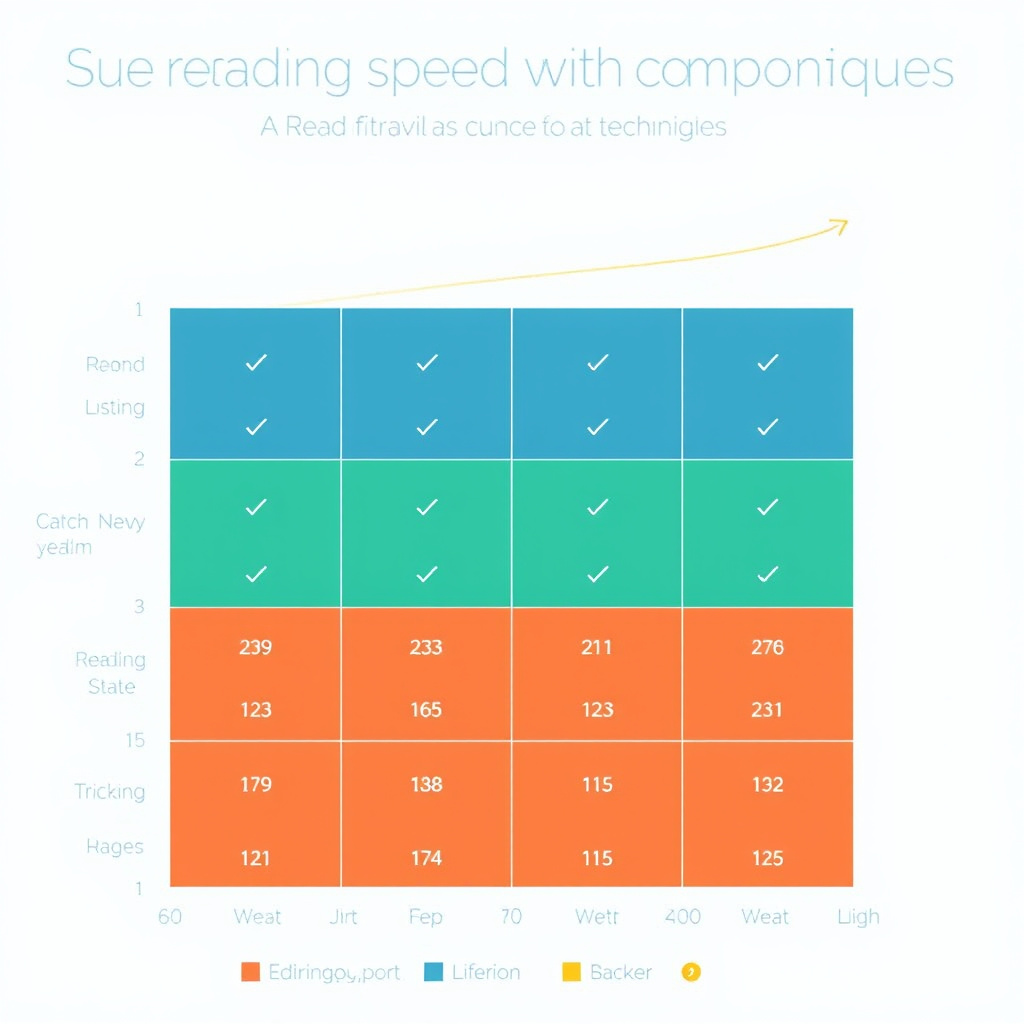
Increasing reading speed should not come at the cost of comprehension. Effective improvement means training your brain to process faster without losing meaning. Start at a comfortable pace and only increase speed when comprehension remains high.
Regular comprehension checks, such as summarizing or questioning the material during or after reading, help maintain understanding while gradually pushing speed boundaries.
For more on this, see our related guide: How to Choose a Reading Comprehension Tutor That Boosts Your Skills.
Adjusting Speed Based on Material Complexity
Not all texts lend themselves to the same reading speed. Technical or dense materials require slower, more deliberate reading whereas narrative texts can often be read faster. Learning to adjust your speed based on content type optimizes efficiency.
This ability to regulate speed is part of a successful reading strategy and helps prevent frustration or missed nuances.
Tools and Resources for Practicing Reading Speed
Apps and Software for Speed Reading
Several apps provide structured exercises that help improve reading speed through timed drills, pacing guides, and comprehension tracking. These tools offer convenient ways to practice and monitor progress regularly.
Choosing an app with customizable difficulty levels and feedback can accelerate skill acquisition effectively.
- Spritz
- Acceleread
- ReadMe!
Books and Online Courses
Dedicated books on speed reading offer both theoretical background and practical drills to build skills. Additionally, online courses often combine video lessons with interactive practice and coaching.
Selecting high-quality materials from reputable instructors ensures a productive learning experience.
- ‘Breakthrough Rapid Reading’ by Peter Kump
- ‘The Evelyn Wood Seven-Day Speed Reading and Learning Program’
- Udemy speed reading courses
Optimizing Your Reading Environment

Controlling Distractions
A quiet, comfortable place free of interruptions is essential for focusing on reading faster. Noise, poor lighting, and frequent breaks interrupt flow and reduce effective speed.
Turning off notifications and setting specific reading times can help create an environment conducive to concentration.
- Use noise-cancelling headphones
- Good natural or LED lighting
- Designate a dedicated reading space
For more on this, see our related guide: How to Find the Best Reading Tutor in Doral FL for Your Child.
Maintaining Physical Comfort
Reading for long periods requires physical comfort to avoid fatigue, which slows reading speed and comprehension. An ergonomic chair, appropriate desk height, and posture support conserve energy for mental focus.
Taking breaks during extended reading sessions helps refresh attention and sustain faster reading rates.
Developing Consistent Reading Habits

Establishing a Reading Routine
Consistently setting aside time daily to practice reading speed is fundamental to long-term improvement. Short, frequent sessions help build neural pathways that increase automaticity and speed.
Journaling progress or timing sessions fosters motivation and reveals patterns that guide training adjustments.
- Daily timed reading practice
- Tracking speed and comprehension
- Gradual increase in difficulty
For a detailed overview of speed reading methods and history, see this comprehensive article on speed reading techniques. speed reading techniques.
Choosing Varied Materials
Reading a mix of text types—articles, fiction, technical papers—trains your brain to adapt to different styles and vocabulary. This variety improves overall reading skills and makes speed gains more robust.
Including materials aligned with your interests keeps practice engaging and sustainable.
Speed Reading Methods Category Comparison
This table compares popular speed reading methods based on ease of use, speed gains, and impact on comprehension.
| Method | Ease of Use | Typical Speed Improvement | Comprehension Impact |
|---|---|---|---|
| Pacing with Pointer | High | 20-50% faster | Minimal |
| Peripheral Vision Expansion | Moderate | 30-60% faster | Usually stable |
| Subvocalization Reduction | Challenging | 40-70% faster | Varies |
| App-Based Training | High | 25-50% faster | Monitored |
| Formal Speed Reading Courses | Moderate | 50-80% faster | Often positive |
Frequently Asked Questions
Can I improve my reading speed without losing comprehension?
Yes, gradually training your eyes and brain with specific techniques allows you to read faster while maintaining or even enhancing comprehension through practice and focus.
How long does it take to see results from speed reading practice?
With consistent daily practice, visible improvements usually appear within a few weeks, but sustained gains develop over months.
Are speed reading apps effective for everyone?
They can be very effective if used correctly, especially when combined with active comprehension checks and varied reading materials.
Is it better to read faster different types of content at different speeds?
Yes, adapting your speed to the complexity of the material ensures better understanding and prevents unnecessary re-reading.
Does reducing subvocalization hurt understanding?
Reducing subvocalization generally increases speed without losing comprehension, but abrupt elimination without practice may reduce retention temporarily.
Key Takeaways
- Minimize habits like subvocalization and regression to boost reading speed effectively.
- Use pacing and peripheral vision techniques to process text faster.
- Maintain comprehension by adjusting speed according to content difficulty.
- Consistent practice and a distraction-free environment enhance progress.
Conclusion
Improving reading speed requires a deliberate balance of physical eye training and cognitive adjustment to processing written information faster without losing meaning. Identifying personal reading habits that slow down your pace is the foundation. From there, adopting pacing tools and expanding vision span can accelerate your rate thoughtfully. Consistent practice combined with comprehension checks ensures the gains are sustainable and useful in daily life.
Specific methods cater to different learning preferences and goals. For some, beginning with pacing methods using a finger pointer offers a simple introduction to speed reading. Others may find peripheral vision expansion exercises or app-based programs better suited as they advance. Selecting reading materials that vary in complexity helps you apply improved speed appropriately, while a quiet, comfortable environment maximizes focus during practice.
To start improving your reading speed today, establish a daily reading routine focused on short timed sessions with pacing and vision span exercises. Monitor your comprehension closely to avoid sacrificing understanding. Over weeks and months, you'll notice faster reading with retained meaning, saving time and boosting your ability to digest more information efficiently.