How to Help a Struggling Student: Practical Strategies for Success
When a student is struggling academically, helping them requires immediate, focused support that addresses both their learning gaps and emotional needs. How to help a struggling student involves identifying the root causes of their difficulties and providing tailored interventions to guide their progress effectively.
Students may struggle due to various reasons including learning disabilities, lack of motivation, or external challenges. Recognizing these factors early can prevent long-term setbacks. Offering timely and empathetic help lays the foundation for renewed confidence and academic growth.
This article will explore practical techniques for supporting struggling students, including adapting teaching methods, collaborating with families, and fostering emotional resilience. You'll also find recommendations on tools and resources to enhance student learning and engagement.
Understanding the Causes of Struggles in Students
Academic Challenges and Learning Gaps
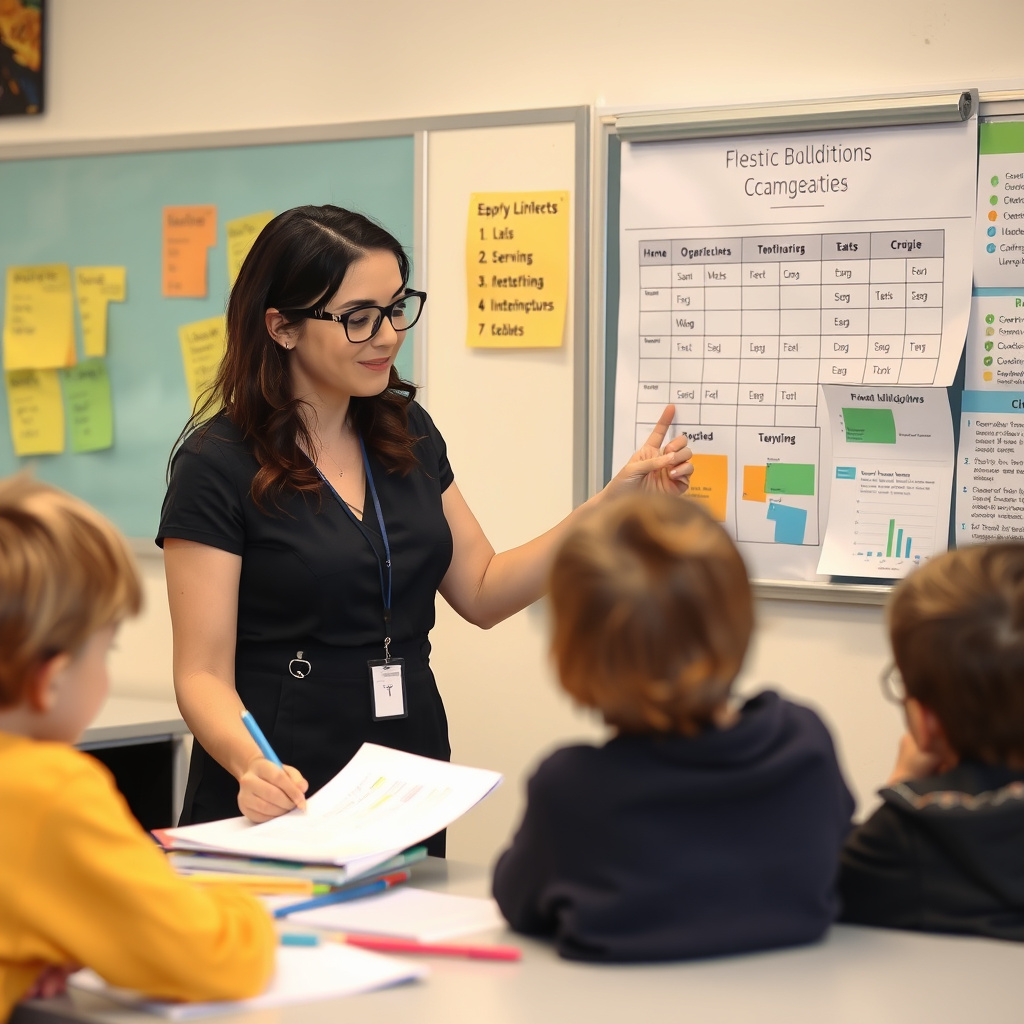
Struggling students often face specific academic challenges caused by gaps in foundational knowledge or ineffective study habits. Identifying these gaps through assessments helps educators target weaknesses precisely.
Regular formative quizzes, one-on-one check-ins, and reviewing past assignments can reveal which skills a student lacks. Tailoring instruction to fill these gaps prevents frustration and builds confidence over time.
Emotional and Environmental Factors
External issues like family stress, social anxiety, or low self-esteem can hamper a student's ability to focus and learn effectively. Emotional well-being is tightly linked with academic performance.
Creating a supportive classroom atmosphere and maintaining open communication helps students feel safe to express concerns. Teachers should also consider referrals to counselors when emotional challenges persist.
Effective Teaching Techniques to Help a Struggling Student
Differentiating Instruction to Meet Student Needs
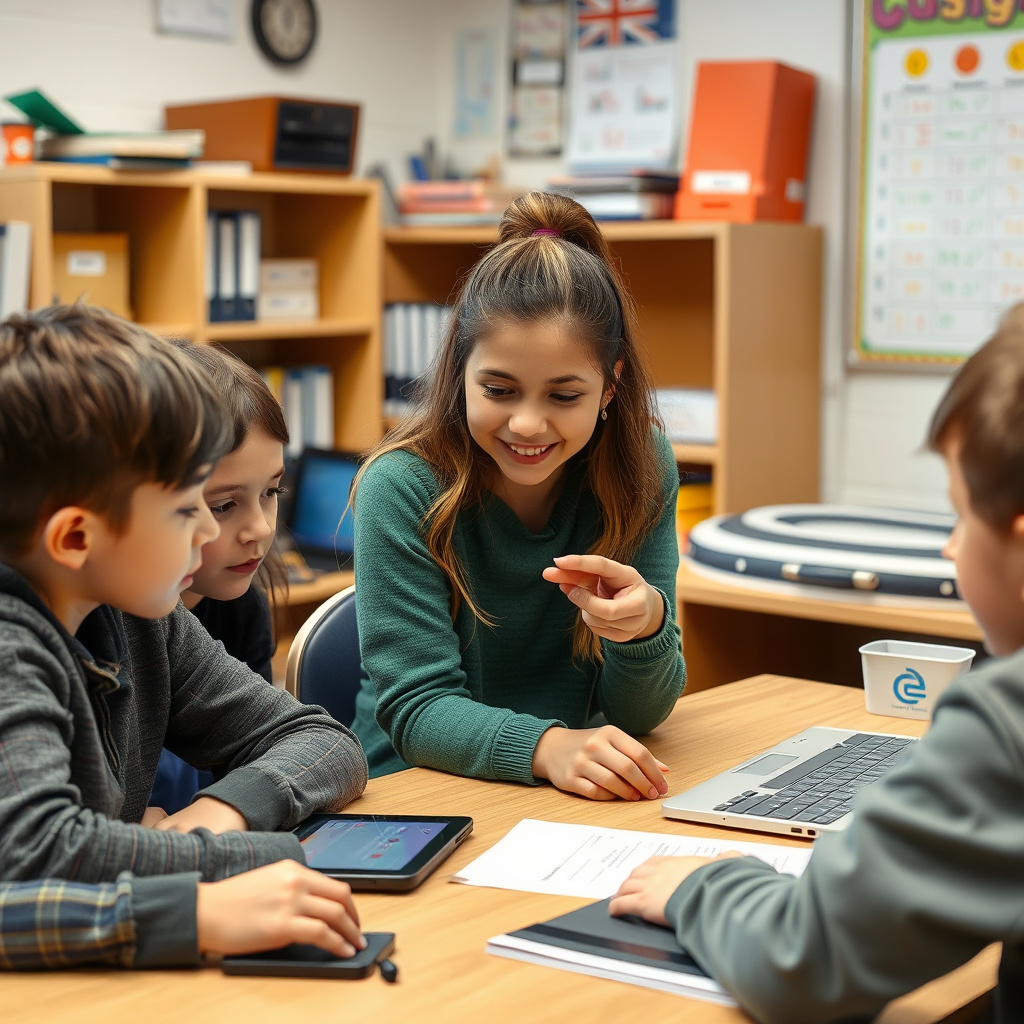
Adjusting teaching methods to match individual learning styles is key when helping a struggling student. This might include using visual aids, hands-on activities, or simplifying complex concepts.
Differentiated instruction allows learners to grasp content at their own pace. It also helps with retention by making lessons more accessible and relevant to each student's strengths.
- Use multimedia resources like videos and diagrams
- Incorporate group work and peer tutoring
- Provide written summaries for complex topics
Implementing Frequent Feedback and Encouragement
Providing timely, constructive feedback helps students recognize their progress and areas needing improvement. Encouragement fosters motivation, even during difficult academic periods.
Celebrate small achievements and provide clear next steps. Positive reinforcement builds student resilience and combats discouragement often faced by struggling learners.
Building a Support System Around the Student

Partnering With Parents and Guardians
Parents and guardians play a crucial role in supporting their child’s education. Maintaining regular communication about challenges and achievements creates consistency between home and school.
Sharing strategies that work in the classroom for use at home helps reinforce learning. It also allows families to advocate for additional services if needed.
For more on this, see our related guide: How to Get Effective Math Homework Help Fast and Easily.
Utilizing School Resources and Specialists
Many schools offer resources such as tutoring programs, counseling services, and special education experts. These professionals can provide tailored help for students facing academic or emotional difficulties.
Encourage students and parents to tap into these resources early. Coordinating efforts among teachers, counselors, and specialists enhances the overall support network.
Encouraging Self-Advocacy and Study Skills

Teaching Study and Organizational Skills
Many struggling students benefit from learning effective study techniques and organizational habits. Skills like time management, note-taking, and goal setting improve academic performance independently.
Explicitly teaching these skills enables students to take control of their learning process. Regular practice and reinforcement help make these habits second nature.
- Create a consistent homework schedule
- Use planners or digital calendars
- Break assignments into manageable parts
Fostering Student Self-Advocacy
Encouraging students to express their needs and ask for help builds independence and confidence. Self-advocacy skills prepare them to navigate challenges both in and out of school.
Role-playing how to talk to teachers or request extra support can empower students. Reinforcing that it’s okay to seek assistance reduces stigma and promotes proactive learning.
Utilizing Technology and Tools for Student Support

Educational Apps and Online Platforms
Technology offers a variety of tools tailored to different learning difficulties. Apps for reading comprehension, math practice, or vocabulary building provide interactive, personalized learning experiences.
These platforms often include progress tracking and adaptive challenges that keep students engaged without feeling overwhelmed.
- Reading support apps (e.g., Learning Ally, Epic!)
- Math practice tools (e.g., Khan Academy, IXL)
- Organizational apps (e.g., Trello, MyStudyLife)
For more on this, see our related guide: How to Choose a Tutor for Struggling Students: A Practical Guide.
Assistive Technology Devices
Assistive devices like speech-to-text software, audiobooks, or screen readers help students with disabilities access curriculum independently. Such technology removes barriers and makes content more accessible.
Schools can conduct assessments to determine necessary assistive technology and provide training for both students and staff to maximize benefit.
Monitoring Progress and Adapting Support

Tracking Academic and Behavioral Indicators
Consistently tracking homework completion, test scores, and class participation highlights improvement or ongoing issues. Behavioral indicators like engagement levels also inform necessary adjustments.
Detailed records allow educators to modify interventions timely, preventing small problems from becoming overwhelming.
For additional insight on supporting struggling students, the organization Understood offers practical advice and resources. supporting struggling students.
Adjusting Strategies Based on Feedback
Regular reflection and feedback sessions with students help identify what methods resonate most. Adapt your approach according to their evolving needs and preferences.
Collaborate with other educators and families to refine support plans, emphasizing flexibility and responsiveness in the learning environment.
Comparison of Support Approaches for Struggling Students
Here’s a comparison of various support approaches used to help struggling students succeed academically and emotionally.
| Support Approach | Focus Area | Typical Outcomes | Resource Requirements |
|---|---|---|---|
| Tutoring Programs | Academic reinforcement | Improved knowledge retention and grades | Moderate – staff and materials needed |
| Counseling Services | Emotional support | Enhanced emotional resilience and motivation | Moderate – trained counselors required |
| Assistive Technology | Accessibility | Better access to curriculum and independence | Variable – software and devices needed |
| Parental Engagement | Home-school collaboration | Consistent support and monitoring | Low – requires communication effort |
| Differentiated Instruction | Individualized learning | Increased engagement and comprehension | High – planning and adaptation needed |
Frequently Asked Questions
How can teachers identify if a student is struggling?
Teachers can identify struggling students by monitoring signs such as declining grades, lack of participation, incomplete assignments, and changes in behavior or mood. Early assessments and open conversations help pinpoint specific challenges.
What role do parents play in helping struggling students?
Parents provide critical ongoing support by maintaining communication with teachers, reinforcing learning at home, ensuring a supportive environment, and advocating for additional resources or evaluations when necessary.
Can technology really help students who struggle academically?
Yes, educational technology can personalize learning, make content more accessible, and engage students interactively. Tools like tutoring apps and assistive devices often complement traditional instruction effectively.
When should a struggling student be referred to a specialist?
Referral to specialists should occur if academic difficulties persist despite classroom interventions, or if there are signs of learning disabilities, emotional issues, or other barriers needing expert assessment and tailored support.
How can students develop better study habits?
Students can build study habits by using planners, setting specific goals, breaking tasks into smaller steps, practicing active note-taking, and maintaining a distraction-free workspace. Consistency and guidance are essential.
Key Takeaways
- Understanding academic and emotional causes is vital when helping a struggling student.
- Tailored teaching methods and regular feedback boost learning and confidence.
- Collaborating with parents and specialists creates a strong support network.
- Technology and self-advocacy empower students toward independence.
Conclusion
Helping a struggling student involves a careful balance of identifying individual needs, providing tailored academic support, and addressing emotional well-being. Successful assistance comes from combining insightful observation with flexible teaching strategies and patient encouragement. This balanced approach sets the groundwork for meaningful academic progress and personal growth.
Students benefit most when efforts include both targeted classroom adaptations like differentiated instruction and external support such as tutoring or counseling. Engaging parents and using tools that support diverse learning needs, including assistive technology, make this process more effective. Approaches like developing strong study habits and fostering self-advocacy also prepare students to manage challenges independently over time.
The best immediate step for anyone wondering how to help a struggling student is to start open dialogues with the student and educators, gather detailed feedback, and identify specific obstacles. From there, implementing consistent support measures and tracking progress closely create opportunities for lasting improvement. Committing to patience and adaptability throughout this process maximizes the potential for student success.