How Tutoring Can Help Struggling Students Improve Academically
Tutoring can provide struggling students with targeted support that addresses their specific learning challenges, helping to improve understanding, confidence, and academic results. By focusing on the areas where a student struggles most, tutoring creates a more effective and supportive learning environment.
Many students fall behind in classes due to gaps in foundational knowledge, learning pace differences, or challenges with motivation. Tutoring offers a way to bridge these gaps outside the typical classroom setting, giving students time and customized strategies that standard instruction may not provide.
This article explores the ways tutoring can assist students who struggle academically, including various methods tutors use, how to select the right tutoring approach, and what results schools and parents can expect from this support.
Understanding Why Students Struggle Academically

Learning Gaps and Their Causes
Students often struggle due to gaps in foundational skills that accumulate over time. These gaps can arise from missed lessons, difficulty grasping complex concepts, or inconsistent study habits. Without targeted help, these deficits can hinder progress in more advanced topics.
External factors such as distractions at home, learning disabilities, or lack of motivation also contribute to academic struggles. Identifying these causes is critical to providing effective tutoring tailored to individual student needs.
Impact of Struggling on Student Confidence
Academic difficulties can lower a student’s self-confidence, leading to a cycle where lack of confidence further impedes learning. Struggling students may become disengaged or anxious, which can reduce their participation and willingness to seek help in the classroom.
Tutoring can help break this cycle by providing positive reinforcement in a low-pressure setting, enabling students to rebuild confidence as they achieve small, manageable successes.
How Tutoring Addresses Struggling Students’ Needs
Personalized Instruction and Pacing
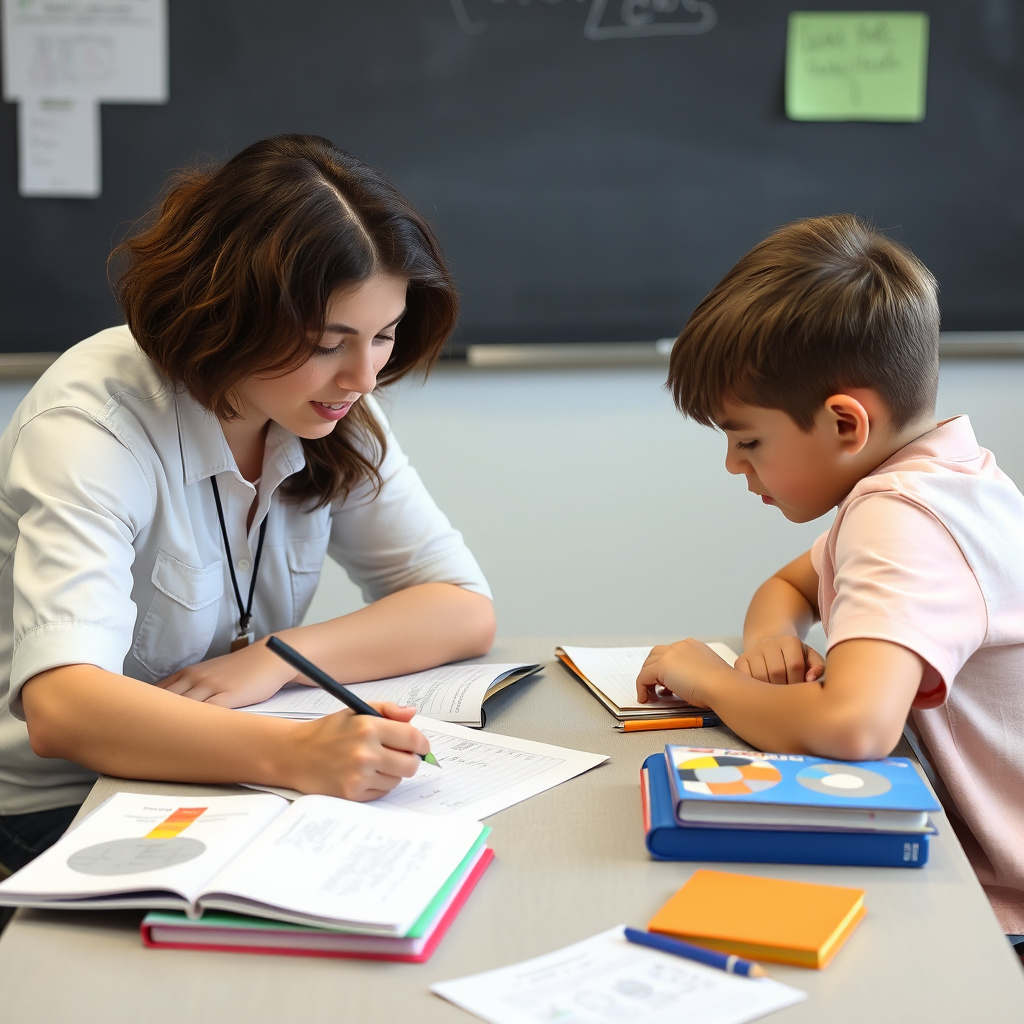
Tutors adjust their teaching to match each student’s learning style and speed, allowing for more thorough understanding. This one-on-one focus enables tutors to revisit topics as many times as needed, fostering mastery over difficult concepts.
This personalized approach helps struggling students catch up at their own pace rather than feeling pressured by the classroom’s overall schedule, leading to better retention and skill build-up.
Building Study Skills and Homework Support
Successful tutoring extends beyond subject knowledge to include teaching study techniques, organization, and time management. Many struggling students benefit from guidance on how to approach homework, prepare for exams, and manage workload more effectively.
By helping students develop these skills, tutors empower learners to become more independent, reducing future academic challenges.
Selecting the Right Tutoring Approach

In-Person vs. Online Tutoring
In-person tutoring offers direct interaction, where tutors can use physical materials and observe student reactions closely. This setting may benefit students who thrive on face-to-face communication and immediate feedback.
Online tutoring provides flexibility in scheduling and access to a wider range of tutors. It’s ideal for students comfortable with digital platforms or those who need convenience due to geographic or time constraints.
- In-person: hands-on, focused environment
- Online: flexible, broader tutor availability
For more on this, see our related guide: How to Get Effective Math Homework Help Fast and Easily.
One-on-One vs. Group Tutoring
One-on-one tutoring offers individualized attention, tailored pacing, and custom lesson plans. It suits students needing focused help on specific subjects or skills.
Group tutoring adds peer interaction, collaboration, and sometimes reduced cost. It can motivate students through social learning but may offer less personalized pacing for struggling individuals.
- One-on-one: customized, focused learning
- Group: collaborative, social motivation
Measuring the Effectiveness of Tutoring for Struggling Students

Academic Performance Gains
Tutoring effectiveness is often measured by improvements in grades, test scores, and assignment completion rates. Regular assessment helps track progress and informs adjustments in tutoring strategies.
Quantitative gains provide tangible evidence that tutoring can help struggling students overcome learning obstacles and reach academic benchmarks.
Social and Emotional Benefits
Beyond academics, tutoring can enrich students’ self-esteem and reduce anxiety about learning. The supportive environment created by tutors often boosts motivation and fosters a more positive attitude toward school.
These emotional improvements can have lasting effects on engagement and willingness to tackle difficult subjects independently.
Common Challenges in Tutoring and How to Overcome Them

Maintaining Student Motivation
Struggling students may initially resist tutoring due to frustration or past failures. Tutors can maintain motivation by setting achievable goals, celebrating progress, and incorporating engaging materials tailored to student interests.
Consistent communication with parents and teachers also helps keep motivation high through an aligned support network.
For more on this, see our related guide: How to Choose a Tutor for Struggling Students: A Practical Guide.
Adapting Strategies for Different Learning Styles
No single tutoring method works for all students. Tutors must be flexible, employing visual, auditory, kinesthetic, or mixed techniques depending on what works best for the student.
Adjusting approaches as the student grows helps keep lessons effective and avoids stagnation or frustration.
The Role of Parents and Schools in the Tutoring Process

Supporting Tutoring Outside Sessions
Parents can reinforce tutoring benefits by encouraging homework completion and providing a quiet, distraction-free study space. Regular check-ins about what the student is learning keeps parents informed and involved.
Schools can complement tutoring by identifying students who need help early and collaborating with tutors to align efforts with classroom instruction.
Effective Communication and Feedback Loops
Open communication among tutors, parents, and teachers is vital for tracking student progress and addressing emerging issues promptly.
Feedback loops ensure that tutoring remains relevant and adapted to evolving student needs, improving overall outcomes.
Cost and Accessibility Considerations in Tutoring

Evaluating Tutoring Costs vs. Benefits
Tutoring costs vary widely depending on format, frequency, and tutor qualifications. While private one-on-one sessions can be expensive, they often yield strong results for struggling students.
Considering long-term academic benefits and alternative options like group or online tutoring can help families balance expense and effectiveness.
For a deeper understanding of tutoring and its impact, see this tutoring benefits overview on Wikipedia. tutoring benefits overview.
Resources for Affordable Tutoring
Many communities offer free or low-cost tutoring through schools, libraries, and nonprofit organizations. Online platforms also provide affordable tutoring options with flexible scheduling.
Exploring these resources ensures that students from various economic backgrounds can access personalized tutoring benefits.
- School-based programs
- Community centers and libraries
- Nonprofit tutoring organizations
- Affordable online tutoring platforms
Comparison of Tutoring Options for Struggling Students
This table compares different tutoring formats based on cost, personalization, flexibility, and ideal use cases to help choose the best fit.
| Tutoring Type | Average Cost Per Hour | Personalization Level | Best For |
|---|---|---|---|
| In-Person One-on-One | $40-$80 | High | Students needing intensive, tailored help |
| Online One-on-One | $30-$60 | High | Flexible scheduling and diverse tutor choices |
| Group Tutoring In-Person | $15-$30 | Medium | Budget-friendly with peer support |
| Online Group Tutoring | $10-$25 | Medium | Affordable and interactive learning |
| School-Based Tutoring | Free or Low Cost | Varies | Students needing accessible support |
Frequently Asked Questions
How long does it usually take for tutoring to show results?
Tutoring results vary but many students see improvement within a few weeks, especially when sessions are regular and focused on key problem areas.
Can tutoring help students with learning disabilities?
Yes, tutors can adjust techniques and pacing to accommodate learning disabilities, often improving understanding and confidence for these students.
Is tutoring helpful for all subjects?
Tutoring is effective across most subjects, especially those requiring skill mastery like math, reading, and science, where personalized attention is beneficial.
How can parents support tutoring outside sessions?
Parents can encourage study habits, provide a quiet workspace, and keep communication open with tutors to reinforce learning and track progress.
What qualifications should I look for in a tutor?
Look for tutors with subject expertise, relevant teaching experience, and good communication skills to ensure they connect well with the student.
Key Takeaways
- Tutoring offers personalized support that targets specific struggles in learning.
- It improves both academic skills and student confidence through tailored teaching.
- Choosing between formats depends on student needs, cost, and scheduling preferences.
- Parental involvement and school collaboration enhance tutoring effectiveness.
Conclusion
When deciding how to help struggling students, understanding their unique challenges and learning styles is key. Tutoring provides the flexibility and personalization necessary to address gaps and build essential skills. By focusing on targeted improvement and motivation, tutoring breaks down barriers that traditional classrooms sometimes can't overcome. Taking a methodical approach to selecting tutoring options ensures the support aligns with the student’s academic and emotional needs.
For students who need focused, individual attention, personalized one-on-one tutoring—whether in-person or online—is often the most effective. Group tutoring serves well for learners who thrive in social settings and may reduce costs. School-based and community resources offer accessible alternatives that still provide valuable benefits. Our comparison shows that no single tutoring style fits all; matching the tutoring environment with the student’s preferences and family budget can make a significant difference.
Ultimately, the next step should be to assess the student’s specific academic struggles and try different tutoring formats to find what works best. Starting with a trial session can reveal compatibility and teaching approach effectiveness. Engaging parents, tutors, and teachers in ongoing dialogue creates a support network that propels the student towards improvement and confidence.