How to Become a Better Student: Effective Strategies for Academic Success
Becoming a better student starts with adopting effective study habits and time management skills that directly improve your understanding and retention of material. Simple changes like organizing your study space, setting clear goals, and actively engaging with your coursework can have an immediate positive impact on your academic performance.
This matter is especially important because strong academic skills set the foundation for future success in university or your chosen career. Improving as a student helps reduce stress, increases confidence, and opens up more opportunities. Many students struggle not due to lack of intelligence but because they have not developed strategies that work for their learning style.
This article will cover key aspects like developing consistent study habits for students, strategies for time management, active learning techniques, dealing with distractions, and building motivation. These practical tips will help you create a personalized approach to become a better student.
Building Strong Study Habits for Students

Creating a Consistent Study Routine
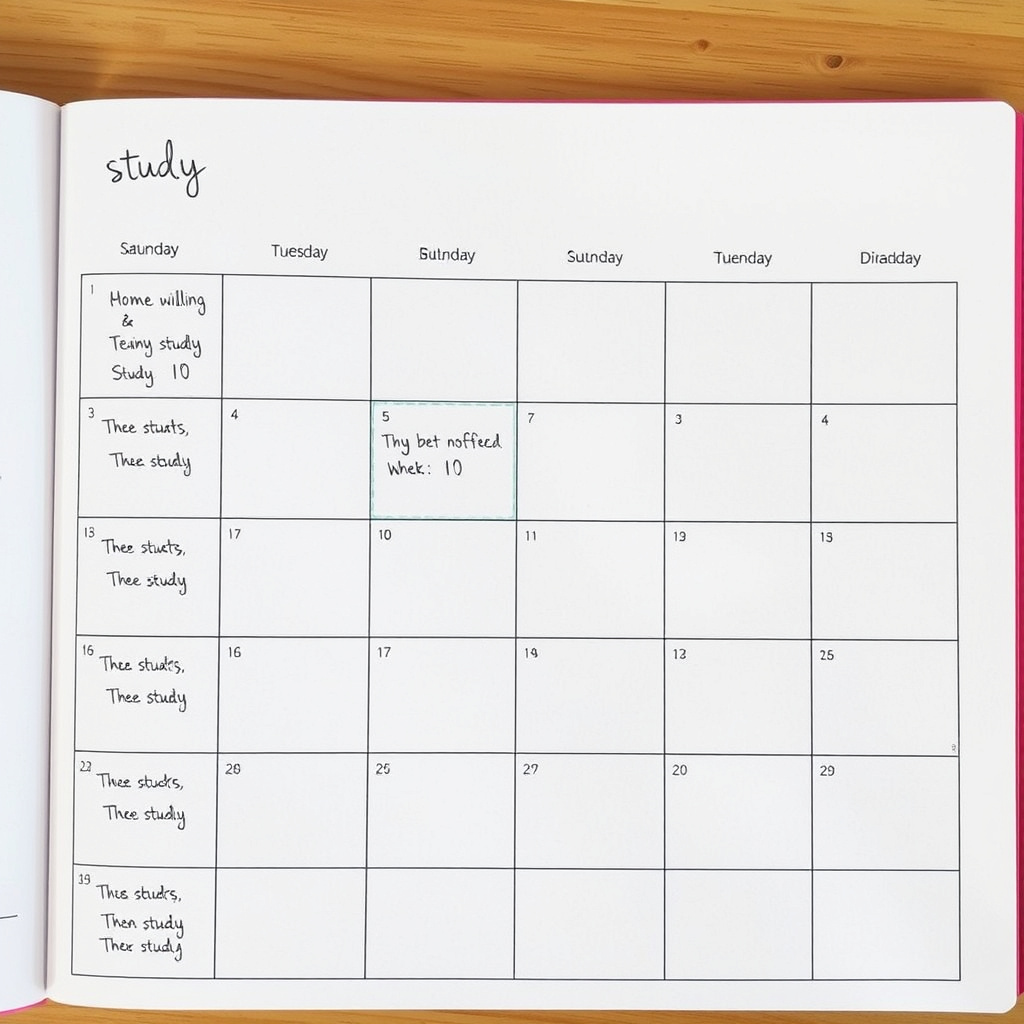
Developing a regular study schedule helps turn learning into a habit. By dedicating specific times each day to review material and complete assignments, you train your brain to focus and retain information more effectively. Consistency reduces procrastination and last-minute cramming, which usually leads to poor outcomes.
Start with small increments of time, such as 25 to 30 minutes of focused study with 5-minute breaks in between, known as the Pomodoro technique. Adjust your schedule based on how much material you need to cover and your peak concentration times during the day.
- Choose specific times daily for study
- Use time blocks with breaks to maximize focus
- Review material shortly after class
Organizing Your Study Environment
A clean, distraction-free study space encourages concentration and efficiency. Gather all necessary materials like textbooks, stationery, and notes before you begin to minimize interruptions. Good lighting and comfortable seating are also essential to avoid fatigue during longer sessions.
Some students find that background music without lyrics or white noise can help maintain focus, while others prefer silence. Experiment to find what environment helps you study better.
- Keep desk tidy and organized
- Eliminate digital distractions by silencing phone
- Optimize lighting and seating comfort
Effective Time Management to Improve Academic Performance
Prioritizing Tasks Based on Urgency and Importance
Not all assignments and study topics have equal priority. Use tools like the Eisenhower Matrix to categorize tasks so you can focus first on urgent and important ones before moving to less critical work. This prevents wasting time on low-impact tasks and ensures deadlines are met comfortably.
Breaking down larger projects into smaller, manageable tasks allows you to track progress and reduces overwhelm, making study sessions more productive and less stressful.
- Make daily to-do lists
- Rank tasks by deadline and significance
- Set mini-goals for big projects
For more on this, see our related guide: Effective Homework Help Tips for Students in Doral FL.
Minimizing Procrastination and Staying Accountable
Procrastination is a common barrier to academic success. Techniques like time-blocking and the use of productivity apps can help keep you on schedule. Pairing up with a study buddy or joining a study group also increases accountability and motivation.
Reward yourself after completing study sessions or achieving milestones to build positive reinforcement that encourages ongoing focus.
- Use timers to stay on track
- Set clear deadlines for tasks
- Join study groups or partners
Active Learning Techniques to Boost Retention

Engaging with Material Beyond Passive Reading
Passive reading is less effective than active techniques such as summarizing content in your own words, teaching concepts to someone else, or creating flashcards. These methods improve understanding and strengthen memory by forcing deeper cognitive engagement.
Quizzing yourself regularly on key ideas and practicing retrieval helps solidify knowledge and reveals areas that need more attention.
- Summarize notes after studying
- Use flashcards for key terms
- Explain concepts aloud or to peers
Utilizing Multiple Learning Modalities
Incorporating visual aids like diagrams, charts, and videos complements reading and listening. Some students benefit from combining audio with written notes or drawing mind maps to connect ideas visually.
Experimenting with different formats can cater to your individual learning preferences and make study sessions more engaging and effective.
- Watch educational videos related to topic
- Create mind maps or diagrams
- Listen to recorded lectures or podcasts
Managing Distractions and Improving Focus

Reducing Digital Distractions
Smartphones and social media are leading distractions for many students. Using apps or built-in settings to block notifications during study periods can dramatically increase focus. If possible, keep devices out of reach or in another room to avoid temptation.
Consider using dedicated study tools and platforms that minimize interruptions and encourage sustained attention.
- Use 'Do Not Disturb' mode or app blockers
- Turn off non-essential notifications
- Designate tech-free study sessions
For more on this, see our related guide: How to Get Effective Math Homework Help Fast and Easily.
Incorporating Mindfulness and Breaks
Mental fatigue reduces concentration over time. Scheduling short breaks helps refresh the brain. Practicing mindfulness techniques like deep breathing or brief meditation can also improve focus and reduce stress during study sessions.
Active breaks involving physical movement or stretching further increase oxygen flow and alertness.
- Take 5-minute breaks every 25-30 minutes
- Practice deep breathing exercises
- Use breaks for light stretching or walking
Motivation and Goal Setting for Academic Success
Setting Clear, Achievable Academic Goals
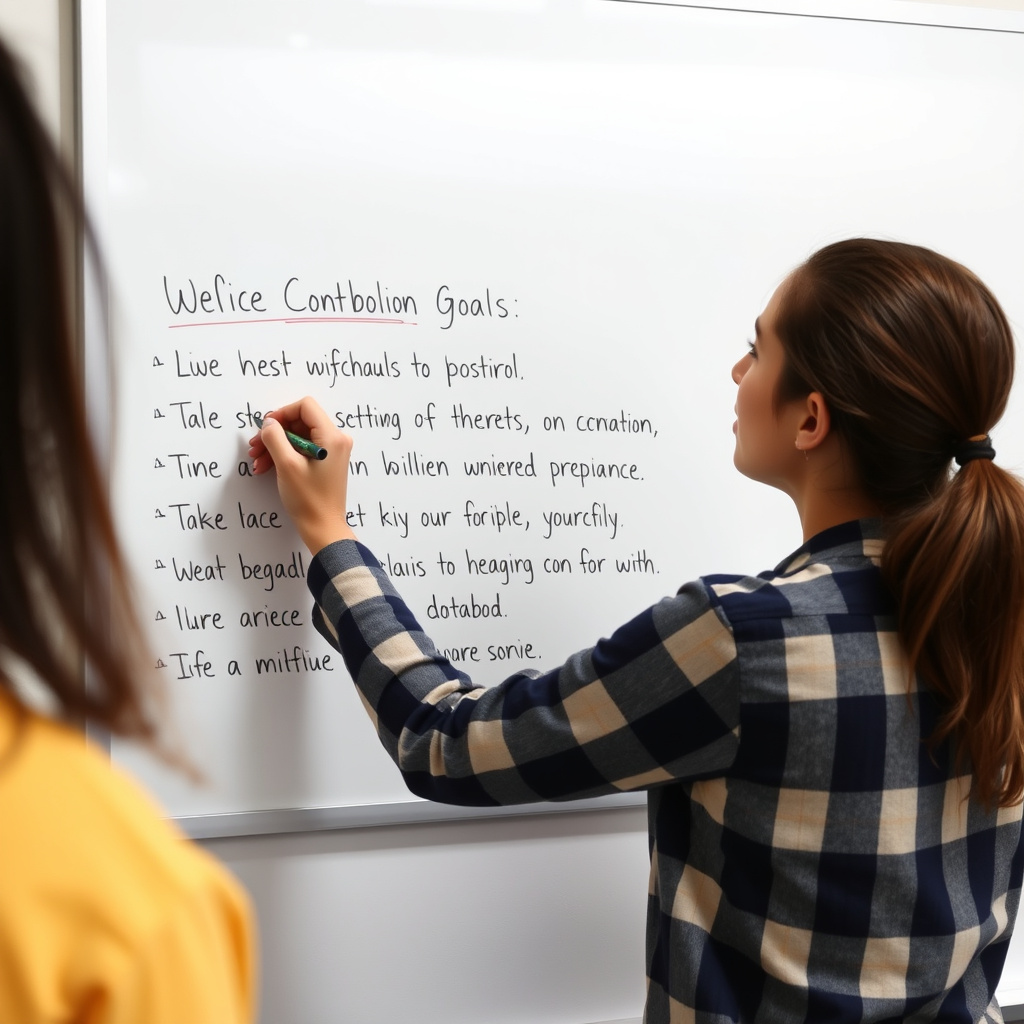
Defining specific goals gives purpose to your study efforts. Whether it's aiming for a certain grade, mastering a subject, or completing assignments ahead of time, clear targets provide measurable motivation. Break large goals into smaller steps for steady progress.
Regularly reviewing and adjusting your goals helps maintain motivation and track development throughout the semester.
- Write down concrete academic objectives
- Set deadlines for each goal
- Celebrate progress milestones
For additional insights, you can explore effective study techniques on Wikipedia to deepen your understanding of learning strategies. effective study techniques on Wikipedia.
Building a Supportive Academic Network
Connecting with classmates, tutors, and mentors creates a support system that encourages perseverance. Sharing challenges and successes keeps motivation high and may introduce new strategies or perspectives.
Seek feedback from teachers regularly to guide your efforts and improve continuously.
- Participate actively in study groups
- Ask for help when struggling
- Engage with mentors or tutors
Comparison of Study Strategies for Different Types of Students
Below is a comparison of common study strategy categories highlighting their main benefits and ideal use cases.
| Strategy Type | Best For | Pros | Cons |
|---|---|---|---|
| Routine-Based Study | Students needing structure | Builds consistent habits, reduces procrastination | Can feel rigid, less flexible for spontaneous needs |
| Active Learning Focus | Students who prefer engagement | Improves retention, deeper understanding | Requires more effort, time-consuming |
| Digital Tools Assisted | Tech-savvy students | Enhances organization and reminders | Risk of distraction, depends on tools |
| Group Study | Collaborative learners | Allows feedback, motivation, varied perspectives | Potential for off-topic distractions |
| Self-Paced Study | Independent learners | Flexible and personalized timing | Needs strong self-discipline and motivation |
Frequently Asked Questions
How many hours should I study each day to become a better student?
Studying 2-4 focused hours daily, broken into short sessions, is ideal for most students. Quality and consistency matter more than sheer quantity, so tailor your study time to your schedule and learning capacity.
What if I struggle to stay motivated when studying alone?
Setting small goals, joining study groups, or finding an accountability partner often helps maintain motivation. Taking regular breaks and rewarding yourself after tasks can also make study sessions more appealing.
Are active learning techniques really more effective than just reading?
Yes, active learning forces you to process and apply information, which promotes better understanding and memory retention compared to passive reading alone.
How can I reduce distractions while studying on my phone or computer?
Using apps or settings that block social media and notifications during study periods can limit interruptions. Placing devices away when not needed also helps maintain focus.
Is it better to study alone or in groups to improve academic performance?
It depends on your learning style. Groups offer interaction and feedback, while studying alone allows deeper personal focus. Combining both approaches often works best.
Key Takeaways
- Establish a consistent study routine to build habits.
- Use active learning methods to deepen understanding.
- Manage time by prioritizing tasks and minimizing distractions.
- Set clear goals and build a supportive academic network.
Conclusion
Improving your performance by learning how to become a better student involves more than working harder; it requires smart strategies tailored to your needs. Setting a consistent routine, staying organized, and actively engaging with material create a foundation for success. Time management and effective prioritization reduce stress and make study sessions more productive. Employing techniques to minimize distractions and maintaining motivation through clear goals are equally important components.
For students seeking structured guidance, routine-based study habits combined with time-blocking significantly enhance focus. Those who retain information better through interaction should prioritize active learning strategies and participate in group sessions. Tech-savvy learners can take advantage of digital tools but must manage potential distractions deliberately. Independently motivated students benefit from self-paced study while keeping communication lines open with mentors and peers. Using a combination of these methods, particularly study habits for students and active learning, will lead to noticeable academic improvements.
Begin by evaluating your current habits and identify one or two strategies from this guide to implement gradually. Whether it’s scheduling dedicated study time or experimenting with flashcards and summaries, small consistent changes accumulate into greater academic achievement. Consider sharing your goals with someone who can support you, and regularly reflect on your progress to stay committed. Taking these practical steps will put you on a path to becoming a better student and open doors to new educational opportunities.