Can Tutoring Improve Math Skills? A Detailed Look at Its Impact
Tutoring can substantially improve math skills by providing individualized attention, clarifying concepts, and building confidence. Students often find steps and problem-solving methods easier to grasp with a tutor's guidance tailored to their specific needs. This direct mentorship addresses weaknesses and reinforces strengths, leading to measurable academic progress.
The significance of tutoring lies in overcoming common challenges in learning math, such as anxiety, gaps in knowledge, or pacing issues. Many students struggle with one-on-one learning environments or generic classroom instruction, so tutoring adapts to their unique learning style. That personalized approach often results in faster comprehension and increased motivation for complex math topics.
This article explores different tutoring methods, factors influencing effectiveness, and key benefits of tutoring for math improvement. It will also cover how to choose the right tutor, common challenges tackled during tutoring sessions, and compare various tutoring models to help you find the best fit for enhancing math skills.
Understanding How Tutoring Enhances Math Skills

Personalized Instruction and Learning Pace
Tutoring allows students to learn math concepts at their own pace, something large classrooms often cannot accommodate. Tutors identify areas where a student struggles and tailor lessons to address those gaps efficiently. This customization ensures mastery before moving on to more advanced topics.
Personal attention during tutoring also helps students ask questions freely, reinforce foundational skills, and practice problem-solving without feeling rushed or judged. This leads to better retention and understanding of math concepts.
- Individual assessment of strengths and weaknesses
- Customized lesson plans
- Flexible pacing
- Direct feedback
Building Confidence and Reducing Math Anxiety
Many students develop math anxiety, which hampers performance and discourages learning. Tutoring creates a supportive environment where mistakes become learning opportunities rather than failures. This safe space helps boost self-confidence.
Regular tutoring sessions gradually improve a student's competence and comfort with math challenges, reducing fear and increasing willingness to tackle tougher problems with enthusiasm.
- Positive reinforcement
- Stress-free learning atmosphere
Key Benefits of Math Tutoring for Students

Improved Academic Performance
Consistent tutoring has been shown to improve grades and test scores by solidifying understanding of core math concepts and honing exam techniques. Tutors can introduce effective strategies for problem-solving and time management during tests.
Students often find standardized tests less intimidating after working with tutors who clarify expectations and practice relevant math types extensively.
Tailored Support for Different Learning Styles
Math tutoring can adapt to visual, auditory, or kinesthetic learners by using customized tools such as diagrams, verbal explanations, or hands-on activities. This personalized approach helps students grasp complex ideas.
Tutors use diverse techniques to maintain engagement and cater to individual preferences, ensuring information is conveyed in the most effective way possible.
- Visual aids like graphs and charts
- Interactive problem-solving
- Real-world examples
Choosing the Right Tutor to Improve Math Skills

Qualifications and Experience
Selecting a tutor with strong math credentials and teaching experience is essential for effective skill improvement. Tutors with background in education or math-related fields often bring deeper insights and proven instructional methods.
Experience working with students at the specific grade level or subject focus (e.g., algebra, calculus) enhances the tutor's ability to address common obstacles.
- Educational qualifications
- Relevant tutoring experience
- Subject matter expertise
For more on this, see our related guide: How to Get Effective Math Homework Help Fast and Easily.
Compatibility and Communication Style
Effective communication between tutor and student encourages trust and openness. A good tutor adapts communication style to the learner's personality, boosting engagement and comfort during sessions.
Compatibility helps maintain motivation and ensures lessons are productive and enjoyable, increasing the likelihood of sustained progress.
- Patient and encouraging demeanor
- Adaptable teaching methods
- Clear explanations
Common Challenges Addressed by Math Tutoring

Bridging Knowledge Gaps
Math tutoring can identify and fill foundational gaps that cause difficulty with advanced topics. Tutors revisit essential skills like arithmetic or fractions before progressing, ensuring solid understanding.
Without fixing these early weaknesses, students often perform poorly on complex problems, so tutoring targets these issues systematically.
Developing Problem-Solving Strategies
Tutors guide students through different methods to approach math problems, such as breaking complex questions into smaller parts or using logical reasoning steps. These strategies support independent thinking.
Over time, students learn to recognize problem patterns and apply techniques efficiently rather than memorizing formulas without understanding.
- Stepwise problem breakdown
- Logical reasoning practice
Different Math Tutoring Models Compared

In-Person vs. Online Tutoring
In-person tutoring offers direct interaction and hands-on guidance, beneficial for younger students or those preferring face-to-face contact. Online tutoring, however, provides accessibility and scheduling flexibility.
Both models can be effective if the tutor is skilled, but online options often integrate digital tools enhancing the learning experience.
- In-person: immediate feedback, personal connection
- Online: flexibility, wide tutor choices, digital tools
For more on this, see our related guide: How to Find Effective One on One Tutoring in Doral FL.
Individual vs. Group Tutoring
One-on-one tutoring delivers personalized focus ideal for addressing specific challenges. Group tutoring encourages collaboration and exposes students to diverse problem-solving approaches, which can be motivating.
Choice depends on learning preferences, budget, and goals; some benefit from group dynamics, while others need focused attention.
- Individual: tailored pacing, direct accountability
- Group: peer interactions, shared learning
Measuring Progress and Success in Math Tutoring
Using Assessments to Track Improvement
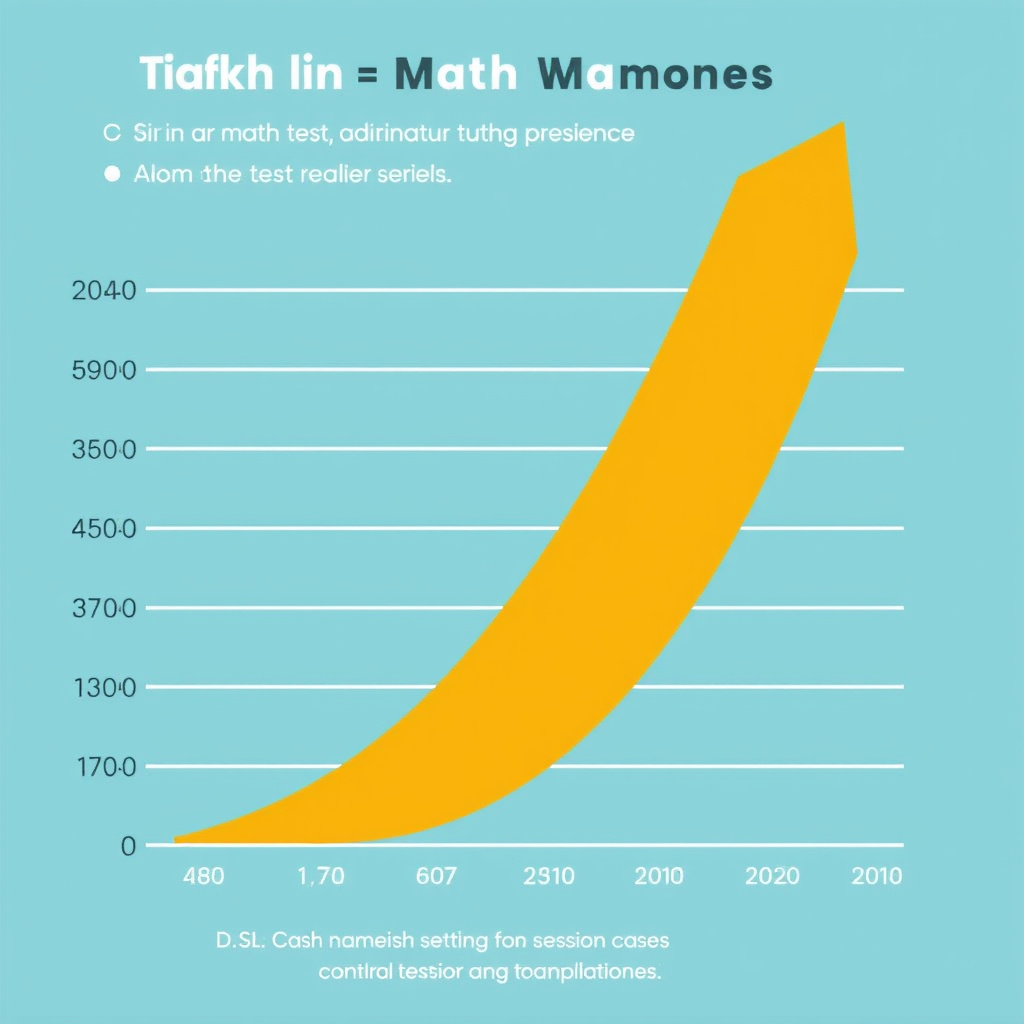
Regular quizzes and practice tests during tutoring sessions help monitor skill retention and highlight areas needing reinforcement. Tutors adjust lesson plans based on assessment results.
Tracking progress quantitatively shows growth over time and motivates students by visualizing achievements.
- Frequent short quizzes
- Standardized test preparation
The Education Endowment Foundation provides research-based insights on tutoring's impact on student performance. Tutoring's impact on student performance.
Qualitative Feedback and Student Confidence
Beyond scores, observing increased participation, reduced frustration, and greater willingness to tackle challenges signals effective tutoring. Tutors provide feedback on behavioral improvements and study habits.
Improved confidence often correlates with academic success in math.
Math Tutoring Category Comparison
Here we compare common tutoring options by format and group size to help choose the best approach for improving math skills.
| Category | Personalization | Cost Range | Best For | Flexibility |
|---|---|---|---|---|
| In-Person Individual Tutoring | High | $$$ | Students needing focused attention | Moderate |
| Online Individual Tutoring | High | $$ | Learners seeking convenience | High |
| In-Person Group Tutoring | Medium | $ | Students who benefit from peer interaction | Low |
| Online Group Tutoring | Medium | $ | Those preferring collaborative learning | High |
Frequently Asked Questions
How often should a student attend tutoring sessions to see math improvement?
Attending tutoring sessions once or twice a week consistently is generally effective for steady improvement. Frequency can be adjusted based on the student's goals, current skill level, and upcoming tests.
Can tutoring help if my child is already good at math?
Yes, tutoring can further challenge advanced students, introduce enrichment topics, and prepare them for competitive exams or higher-level math courses.
Is online tutoring as effective as in-person tutoring for math?
Online tutoring can be equally effective if the tutor uses engaging digital tools and maintains strong communication. It offers flexibility and access to more tutors.
What qualifications should I look for in a math tutor?
Look for tutors with formal education in math or teaching experience, strong communication skills, and positive references. Specialized subject knowledge is beneficial for advanced topics.
Can tutoring reduce math anxiety?
Yes, tutoring provides supportive and personalized guidance that can build confidence, helping students overcome fear and negative feelings toward math.
Key Takeaways
- Tutoring improves math skills through personalized instruction and pacing.
- It boosts confidence and reduces math anxiety effectively.
- Choosing the right tutor depends on qualifications and communication style.
- Different tutoring models suit different learning preferences and budgets.
Conclusion
Deciding to pursue tutoring to improve math skills involves understanding the student's unique needs and learning style. Personalized attention through tutoring targets specific problem areas, builds foundational knowledge, and cultivates problem-solving strategies essential for success. Rather than a one-size-fits-all approach, effective tutoring adapts content and pace to enhance each student’s comprehension and confidence in math.
For students struggling with core concepts or test anxiety, individual in-person tutoring provides direct support and accountability. Those needing flexibility can benefit from online one-on-one sessions equipped with digital tools. Group tutoring works well for learners who thrive in collaborative environments and can afford a lower cost option. Matching the tutoring style to the student's learning preferences maximizes the benefits and accelerates progress.
Taking the next step involves researching tutors with appropriate qualifications, arranging trial sessions, and setting clear goals. Monitoring progress through regular assessments and feedback ensures the chosen tutoring solution stays aligned with improvement targets. Overall, tutoring offers a valuable, tailored way to strengthen math skills and foster lasting academic growth.