How to Make a Study Plan That Boosts Your Productivity and Results
Creating an effective study plan involves setting clear goals, prioritizing subjects or topics, and dividing your study time into manageable sessions. Start by identifying your deadlines and exams, then allocate regular blocks of time dedicated to specific subjects or tasks. This structured approach prevents last-minute cramming and helps maintain consistent progress.
A well-designed study plan matters because it helps balance your workload and reduces stress by breaking down overwhelming material into achievable portions. When you follow a schedule, you can track your progress more clearly, stay motivated, and avoid distractions by knowing exactly what to focus on each day.
This article will cover the steps to build your personalized study plan, methods to keep it flexible yet disciplined, tools and techniques to enhance your scheduling, and advice on adjusting your plan as needed to stay productive throughout your academic journey.
Setting Clear Goals for Your Study Plan

Identifying Your Academic Priorities
Start by listing all the subjects or courses requiring study. Determine which ones need more attention based on difficulty, upcoming exams, or project deadlines. Prioritizing these subjects ensures your study plan targets areas that could impact your grades the most.
Be specific about what you aim to accomplish in each session—such as understanding a concept, completing a chapter, or practicing problems—which transforms vague goals into actionable steps.
- Make a complete list of subjects and topics
- Rank them by urgency and difficulty
- Set focused objectives for each study session
Setting Realistic and Measurable Targets
Avoid overwhelming yourself with unrealistic expectations. Break larger goals into smaller, measurable tasks that can be completed within your study periods. For example, instead of 'study math,' set a goal like 'complete exercises on quadratic equations.'
Track these mini-goals daily or weekly, so you can visibly monitor your improvement and adjust your plan to keep goals attainable yet challenging.
- Divide big topics into chunks
- Use checklists to mark completed tasks
- Adjust targets based on your pace
Organizing Your Time Efficiently
Creating a Balanced Study Schedule
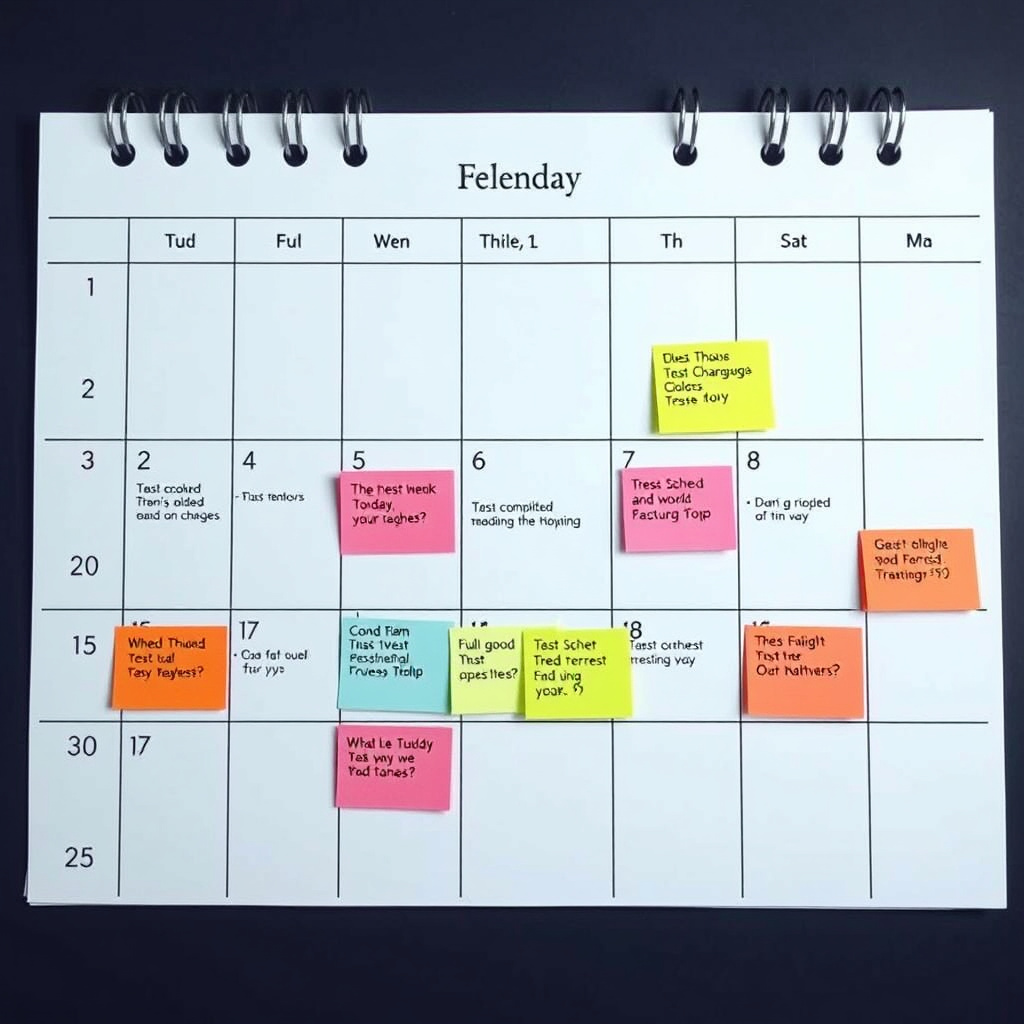
Design your schedule by assigning study blocks to each subject, mixing challenging topics with easier ones to keep engagement high. Balance study periods with breaks to prevent burnout, using techniques like the Pomodoro method—study for 25 minutes, then rest for 5 minutes.
Allocate your peak focus times—whether morning or evening—to subjects that require more concentration, optimizing your mental energy during study sessions.
- Use a planner or digital app
- Alternate subjects for freshness
- Incorporate regular short breaks
Avoiding Common Time Management Mistakes
A frequent error is underestimating the time needed to complete tasks, leading to frustration and skipped sessions. Include buffer periods to accommodate unexpected delays or review.
Another pitfall is scheduling study sessions too long without breaks, which causes fatigue and reduces retention. Stick to sustainable time blocks and be flexible to reshuffle your plan when necessary.
- Add extra time for tough topics
- Limit study blocks to 1-2 hours
- Adjust schedule when falling behind
Choosing the Right Study Techniques

Matching Techniques to Your Learning Style
Identify whether you're a visual, auditory, or kinesthetic learner to pick study methods that fit best. Visual learners benefit from diagrams and color-coded notes, auditory learners from recorded lectures or discussions, and kinesthetic learners from hands-on activities or writing summaries.
Adapting your study tools to your style can improve comprehension and retention, making your study plan more effective.
- Use mind maps for visual learning
- Listen to recordings for auditory practice
- Write summaries for kinesthetic engagement
For more on this, see our related guide: How to Choose the Best Test Preparation Tutor in Doral FL for Effective Results.
Incorporating Active Recall and Spaced Repetition
Active recall involves testing yourself to retrieve information from memory, which strengthens learning. Spaced repetition schedules reviews at increasing intervals to cement concepts long-term.
Building these techniques into your study plan promotes deeper understanding and reduces the need for last-minute cramming.
- Use flashcards with active questioning
- Review material multiple times with gaps
- Integrate quizzes or practice tests
Maintaining Flexibility and Motivation
Adjusting Your Plan as Needed
Life and academic demands can change unexpectedly. A good study plan allows room for flexibility by periodically reviewing progress and shifting priorities when needed.
Rescheduling sessions or swapping subjects based on how well you meet your goals helps maintain balance without derailing your overall plan.
- Set weekly check-ins to review progress
- Reallocate study time as priorities shift
- Keep an adaptable mindset to reduce stress
Sustaining Motivation Over Time
Staying motivated can be challenging over long periods. Incorporate rewards after completing tasks, vary your study environment, or study with peers to add social accountability.
Remembering your goals and visualizing success can also provide encouragement during tougher study days.
- Use small rewards to celebrate milestones
- Change locations to refresh focus
- Set reminders of long-term benefits
Utilizing Tools and Resources to Support Your Plan

Digital Tools for Scheduling and Tracking
Apps like Google Calendar, Notion, or dedicated study planners help organize your schedule, send reminders, and visualize your time allocation. They can sync across devices for convenience and allow you to track completed tasks easily.
Leveraging technology makes it simpler to stay consistent and adjust your study plan dynamically as you proceed.
- Try calendar apps with notification features
- Use habit trackers to monitor routines
- Incorporate timers for focused sessions
For more on this, see our related guide: How to Get Effective Math Homework Help Fast and Easily.
Accessing Study Materials and Support Networks
Supplement your plan with online resources such as video tutorials, forums, or digital flashcards. Joining study groups or seeking help from tutors can provide explanations and motivation.
Having reliable study materials tailored to your subjects enhances your active study time and deepens understanding.
- Explore educational websites and videos
- Join forums or social study groups
- Use library resources for reference
Avoiding Study Plan Pitfalls and Staying Consistent

Recognizing and Overcoming Common Challenges
Procrastination and unrealistic expectations often lead to abandoned plans. Recognize these traps by setting smaller goals and rewarding progress.
Time-wasting distractions like phones or multitasking can disrupt your study flow; creating a dedicated, distraction-free workspace helps maintain focus.
- Break tasks into manageable pieces
- Use apps to block distractions
- Set specific start times for study sessions
For more information on effective study strategies, you can explore the Wikipedia article on study skills. study plan.
Techniques for Building Study Habits
Consistency is key when following your study plan. Developing a routine by studying at the same times daily reinforces habits.
Combining your effective study schedule with positive reinforcement helps transform study time into an enjoyable and productive part of your day.
- Establish fixed study hours
- Keep your study space organized
- Reflect weekly to track habit formation
Study Plan Types Comparison
Here’s a comparison of various common study plan types, highlighting their features, benefits, and drawbacks to help you choose.
| Plan Type | Structure | Best For | Flexibility | Time Commitment |
|---|---|---|---|---|
| Time-Blocked Schedule | Pre-set blocks for each subject daily | Students with regular routines | Moderate | High |
| Task-Based Plan | Focus on completing specific tasks | Those needing clear objectives | High | Medium |
| Pomodoro Technique | Alternating focused sessions and breaks | Anyone prone to distraction | High | Low to Medium |
| Weekly Overview Plan | Broad weekly goals with daily adjustments | Flexible learners | Very High | Low to Medium |
| Topic Rotation Plan | Rotate subjects every session/day | Avoids monotony, covers all areas | Moderate | Medium |
Frequently Asked Questions
How long should each study session be in my study plan?
Study sessions of 25 to 50 minutes with short breaks tend to be effective. Using techniques like Pomodoro helps maintain focus without fatigue, promoting better retention.
What if I fall behind my study schedule?
Adjust your plan by reallocating study time or simplifying tasks. Flexibility allows catching up without adding stress or skipping important subjects.
How can I balance study time with other commitments?
Prioritize tasks based on deadlines and importance, and use smaller time slots for quick reviews. Scheduling around fixed commitments and being realistic about availability helps maintain balance.
Which study plan type works best for busy students?
A weekly overview plan with flexible daily goals often suits busy students. It allows adapting to unexpected changes while ensuring steady progress through manageable tasks.
How often should I review and update my study plan?
Weekly reviews help track progress and adapt priorities. Adjustments should be made to accommodate upcoming tests, changes in workload, or areas where more focus is needed.
Key Takeaways
- Set specific, manageable goals focused on priority topics
- Create balanced, realistic schedules with built-in breaks
- Use study techniques like active recall and spaced repetition
- Keep your plan flexible and review it regularly for adjustments
Conclusion
Making a study plan that truly works starts with a clear understanding of your priorities and study habits. By setting concrete goals, allocating your time thoughtfully, and choosing techniques that suit your learning style, you build a framework that drives consistent progress. Flexibility and honest self-assessment are essential to keep the plan relevant as your needs evolve, helping you stay on track without unnecessary stress.
Depending on your situation, a time-blocked schedule may fit students who thrive on routine, while a task-based or weekly overview plan might be better for those requiring adaptability. Methods like the Pomodoro technique are excellent to maintain focus during study sessions. Combine these choices with effective tools like calendar apps or flashcard systems to support both planning and execution.
Start by drafting a simple study plan tailored to your immediate goals and gradually refine it through weekly reviews. Focus on building steady, healthy study habits rather than chasing perfection. By making your study plan a living document shaped by progress and reality, you position yourself to make the most of your preparation and achieve better academic results.