How to Take Better Notes: Effective Strategies for Clear and Useful Note-Taking
Taking better notes means capturing the essential points clearly and efficiently so you can easily revisit and understand them later. Focus on listening or reading actively, then quickly jot down main ideas, key facts, and supporting details without copying everything word-for-word. This approach creates concise, useful notes that support your learning or work.
Well-structured notes improve comprehension, retention, and reduce study or review time. Poor notes, in contrast, lead to frustration and missed details. Whether you’re a student, professional, or lifelong learner, improving your note-taking skills boosts your ability to recall information and apply it effectively in tests, presentations, or projects.
This article explores proven strategies to help you take better notes, including different note-taking methods, tools you can use, tips on organization and review, and how to adapt your approach depending on context and personal style.
Understanding Note-Taking Styles
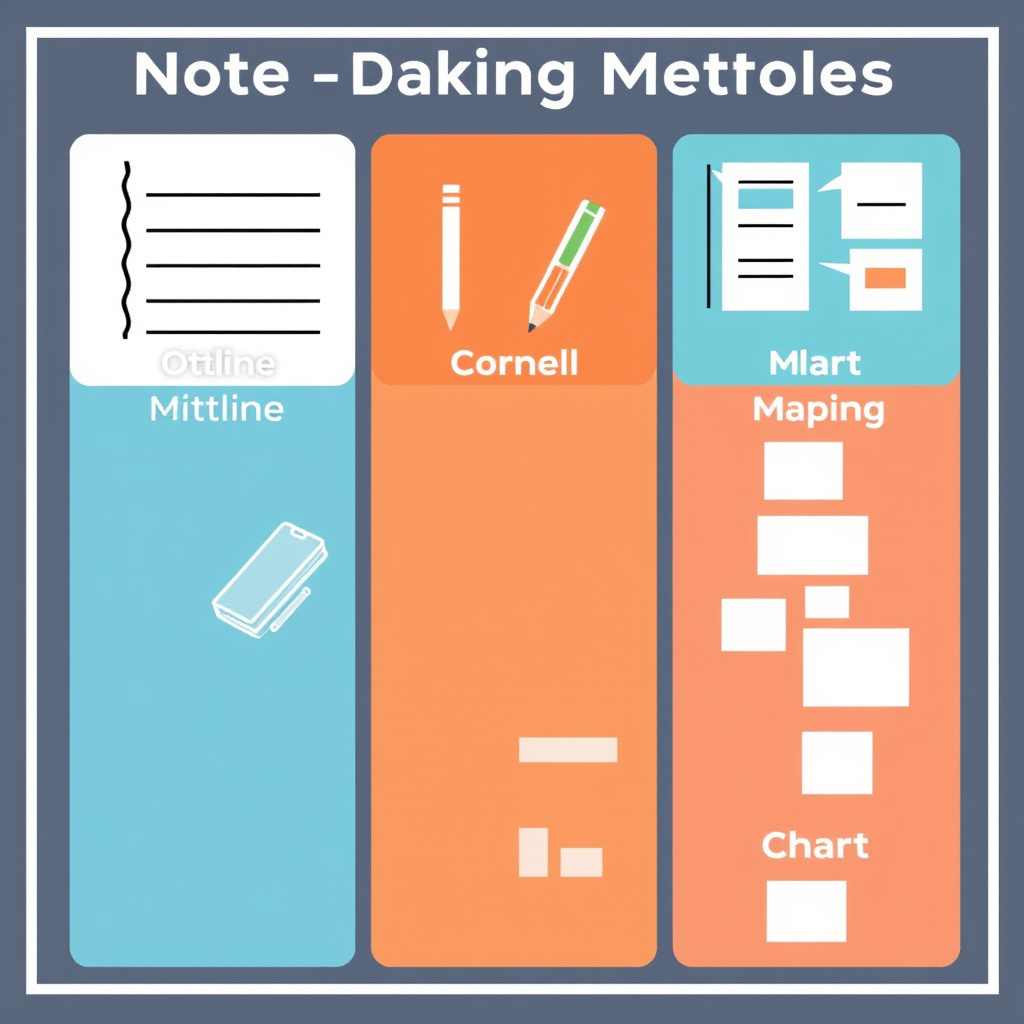
The Outline Method for Structured Notes
The Outline Method organizes notes hierarchically, starting with main topics and indenting subpoints beneath them. This creates a clear structure that mirrors how information is presented or logically flows. It is especially useful for lectures or readings that follow a predictable sequence.
This method helps break down complex information into manageable chunks and highlights relationships between concepts. It's most effective when you can quickly identify key themes and details as you listen or read.
- Easy to review as major points jump out
- Good for linear, detail-heavy content
- Requires quick thinking to organize on the fly
Cornell Notes Method for Review
The Cornell Method divides the page into sections: a narrow left margin for questions or keywords, a main note-taking area on the right, and a bottom summary zone. This format encourages active engagement by prompting you to summarize and formulate questions.
It’s excellent for reinforcing learning because writing questions and summaries forces you to process and reframe information, deepening retention.
- Promotes active recall and review
- Organizes notes for easy scanning
- Requires some setup before note-taking
Choosing the Right Tools for Better Notes

Traditional vs. Digital Note-Taking
Physical notebooks provide tactile feedback and fewer distractions. For many, writing by hand improves memory and comprehension. However, paper can be less flexible for editing or organizing large volumes of notes over time.
Digital tools offer fast search, easy editing, multimedia integration, and cloud syncing. Using tablets or laptops can speed up note-taking but may lead to distractions if not managed well. Digital note apps also support different note-taking methods digitally.
- Paper notebooks build muscle memory
- Digital apps offer organization features
- Choose tools matching your workflow
Essential Features in Digital Note Apps
Look for apps that support handwriting or typing, tagging for organization, syncing across devices, and exporting capabilities. Handwriting recognition and audio recording can further enrich notes. Popular apps include Microsoft OneNote, Evernote, and Notion, each offering unique strengths.
The right app depends on your note-taking style and requirements. Test a few to find which features help you capture and access information most efficiently.
- Sync across devices
- Good search functionality
- Support for multimedia attachments
Techniques to Enhance Note Clarity and Usefulness

Use Abbreviations and Symbols
Develop a personal shorthand with abbreviations and symbols to speed up writing without sacrificing clarity. Common examples include '&' for and, 'w/' for with, arrows for cause and effect, and stars for important points.
This helps keep up with fast information delivery and allows more content to fit on each page or screen, making notes denser and more efficient.
- Create consistent custom abbreviations
- Use arrows and stars for relationships and emphasis
- Avoid overly cryptic notes that are hard to decode
For more on this, see our related guide: How to Get Effective Math Homework Help Fast and Easily.
Incorporate Visual Elements
Adding diagrams, charts, or mind maps can transform plain text notes into more memorable and understandable formats. Visuals help represent complex relationships and processes that are harder to explain in words alone.
Use sketches or simple shapes to illustrate ideas, especially if you are a visual learner. Most digital apps support easy image insertion or drawing tools.
- Use arrows to show connections
- Draw timelines or flow charts
- Color code to differentiate concepts
Organizing and Reviewing Notes for Retention
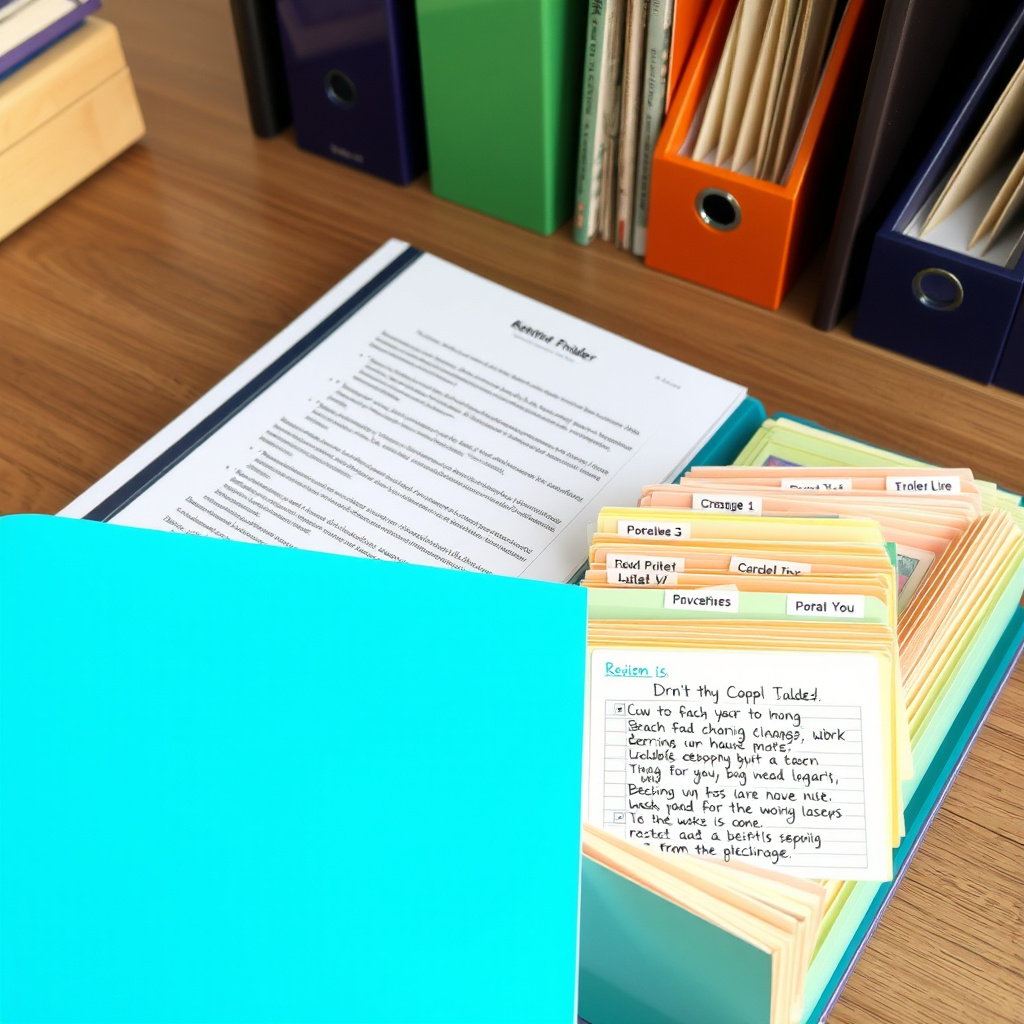
Consistent Labeling and Filing
Create a reliable system to store and label your notes so they can be quickly located. This can be physical folders sorted by date or topic, or digital folders and tags. Consistency in file naming and indexing is key.
Regular organization avoids note clutter and saves time during exams or presentations by simplifying retrieval.
- Use clear headers and dates on notes
- Group related notes together
- Back up digital notes regularly
Active Review Strategies
Simply rereading notes is less effective than engaging with them. Summarize, question, and test yourself on the material to deepen understanding. Space out review sessions over days or weeks to improve memory retention.
Using the Cornell notes review area or creating flashcards are common active techniques to revisit and internalize content.
- Highlight key points after initial note-taking
- Discuss notes with peers or teach the material
- Use spaced repetition for better recall
Adapting Note-Taking to Different Contexts

Taking Notes in Lectures and Classes
Focus on capturing the professor’s main arguments and examples rather than writing verbatim. Review and fill gaps immediately after class. Use preferred note-taking method like outline or Cornell to organize content clearly.
Engaging with the material during the lecture by listening actively and anticipating points helps improve the quality of your notes.
- Prepare by reviewing previous material
- Use abbreviations to keep pace
- Leave space for later clarifications
For more on this, see our related guide: How to Find Effective One on One Tutoring in Doral FL.
Effective Note-Taking in Meetings and Workshops
Meeting notes should prioritize action items, decisions, and key discussions rather than every spoken word. Use bullet points and highlight responsibilities and deadlines to keep notes actionable.
In workshops, capture practical tips and examples along with participant questions. Reviewing notes shortly after the event ensures details are fresh.
- Identify and highlight next steps
- Record questions raised during discussions
- Summarize decisions clearly
Overcoming Common Note-Taking Challenges

Dealing with Information Overload
When information comes too fast, focus on main ideas and keywords instead of trying to write down everything. Practice prioritizing what is most important and avoid overloading notes with peripheral details.
Developing shorthand and note structure can speed up your capturing process to keep pace with fast delivery.
- Focus on concepts, not every word
- Use symbols and abbreviations
- Review recordings if available
For a broader overview of note-taking techniques and their history, the Wikipedia article on note-taking provides useful insights. note-taking techniques.
Improving Note Legibility and Consistency
Messy notes are hard to review. Take care with handwriting or typing and build habits for consistent formatting. Using templates or digital tools with formatting options can help keep notes clean and uniform.
Regularly reviewing and rewriting notes can also improve clarity and reinforce learning.
- Slow down if handwriting is illegible
- Use bullet points and headings
- Digitize or rewrite rough notes later
Note-Taking Methods Comparison
Here’s a comparison of popular note-taking methods highlighting their best uses, advantages, and disadvantages.
| Method | Best For | Strengths | Weaknesses |
|---|---|---|---|
| Outline Method | Organizing structured lectures | Clear hierarchy, easy to review | Less flexible for nonlinear content |
| Cornell Method | Active review and test prep | Encourages recall, well-organized | Requires setup and discipline |
| Mapping Method | Visual learners and brainstorming | Shows relationships clearly | Can be messy and time-consuming |
| Charting Method | Fact-heavy, comparative data | Easy to compare categories | Limited use for narrative info |
| Sentence Method | Fast-paced lectures | Simple and quick | Can be disorganized and confusing |
Frequently Asked Questions
How can I improve note retention after class?
Review notes within 24 hours, summarize key points, and actively quiz yourself on the material to move information from short-term to long-term memory.
Is handwriting notes better than typing?
Handwriting tends to improve understanding and recall because it forces you to process information more deeply, but typing is faster and better for large volumes.
What if I miss important points during a lecture?
Use abbreviations to keep up, record lectures if allowed, and compare notes with classmates to fill gaps soon after class.
How do I organize messy notes?
Rewrite or digitize your notes, use clear headings, and group related material logically to make them easier to review later.
Should I use one note-taking method for all classes?
It’s better to adapt your method based on the subject and type of content—for example, use mapping for creative subjects and outline for linear topics.
Key Takeaways
- Select note-taking methods that fit the material and your learning style
- Use abbreviations and visual elements to speed up and clarify notes
- Organize and review notes actively to improve retention
- Choose tools that help maintain legibility and access
Conclusion
Taking better notes is fundamentally about capturing information in a way that makes sense to you later. By choosing a note-taking method that aligns with the style of content and your cognitive preferences, you limit overwhelm and increase clarity. Focusing on key ideas and organizing your notes systematically create a reliable study or reference resource. The goal is not to write everything but to make your notes functional and easy to recall.
For students, the Cornell and Outline Methods work well for absorbing lectures and readings with plenty of details. Visual learners might benefit from the Mapping Method's diagrams and connections, while fast-paced contexts could call for the Sentence Method’s speed. Digital or traditional tools both have merits depending on whether you prioritize editing, portability, or focus. Experiment with these approaches to find what fits your situations best.
Start by practicing one or two note-taking strategies in your next class or meeting, then review and reflect on how easily you can use the notes afterward. With regular effort, your notes will evolve from messy scribbles to valuable assets that save study time and boost understanding. Getting better at note-taking makes absorbing and recalling information straightforward, giving you an edge in learning and work.