How to Expand Vocabulary Effectively for Better Communication
Expanding your vocabulary means deliberately learning new words and their meanings to use them confidently in daily communication. This improves your ability to express ideas clearly, understand others better, and engage more fully with language across contexts.
A stronger vocabulary enhances reading comprehension and conversational skills, helping you convey precise messages and grasp nuanced meanings. It also supports academic and professional success where clear communication matters.
This article explores effective techniques to grow your vocabulary, including reading strategies, word-learning tools, practical exercises, and daily habits that help make new words part of your active language use.
Building Vocabulary Through Reading

Choosing the Right Reading Material
Selecting diverse reading materials such as novels, newspapers, or scientific articles exposes you to varied vocabulary. Prioritize content slightly above your current level to challenge yourself without causing frustration.
Materials with context clues and clear explanations help you infer meanings of unfamiliar words more effectively, reinforcing memory and understanding.
- Fiction and non-fiction books
- Educational magazines
- Online articles on varied topics
Active Reading and Note-taking
While reading, highlight or underline unfamiliar words and write down their meanings. Use a notebook or digital app dedicated to vocabulary expansion to track progress and review regularly.
Revisiting notes helps transfer words from passive recognition to active use, making them more accessible in writing and speech.
- Keep a vocabulary journal
- Note example sentences
- Review new words weekly
Using Technology and Apps to Expand Vocabulary
Vocabulary Learning Apps
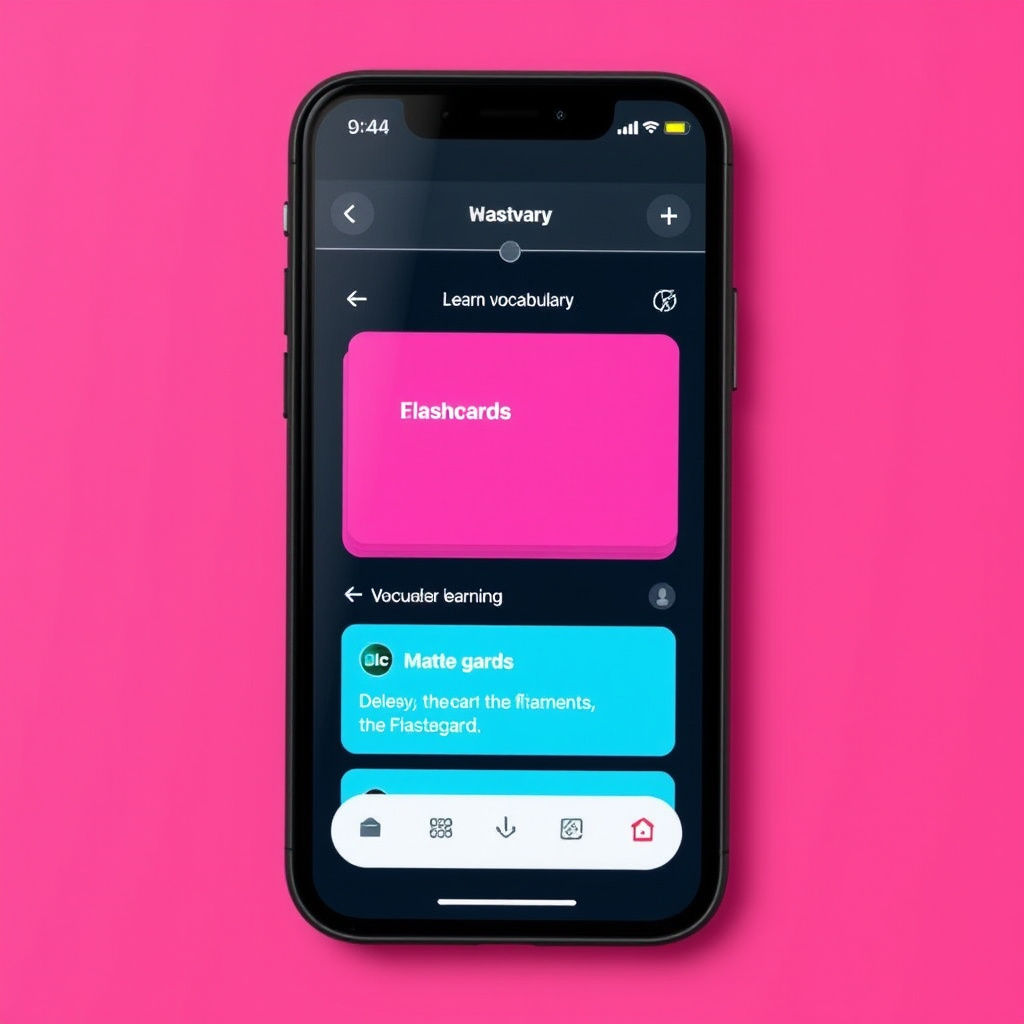
Apps like Anki, Memrise, and Quizlet use spaced repetition and gamification to make learning new words engaging and effective. These tools customize word lists to match your learning pace and interests.
Regular app usage encourages steady progress, making vocabulary expansion a manageable and enjoyable routine.
- Spaced repetition algorithms
- Interactive quizzes and games
- Personalized word recommendations
Audio Tools and Podcasts
Listening to podcasts or audiobooks in your target language complements vocabulary learning by exposing you to natural pronunciation and usage contexts. It enhances retention through auditory reinforcement.
Choose programs that explain or contextualize new words to deepen understanding and facilitate integration into your vocabulary.
- Language learning podcasts
- Audiobooks with transcripts
- Vocabulary-focused audio courses
Practical Exercises to Reinforce Vocabulary

Writing with New Words
Create sentences or short paragraphs using new vocabulary to reinforce proper word usage and grammar. Writing solidifies knowledge and enhances your ability to recall words during conversations.
Try varying contexts and sentence structures to deepen your grasp of word nuances and connotations.
- Daily journaling with new terms
- Compose dialogues or emails
- Use synonyms to expand word application
For more on this, see our related guide: How to Choose an Elementary Reading Tutor in Doral FL for Your Child.
Speaking and Using Words Out Loud
Speaking new words aloud builds confidence and helps internalize pronunciation and meaning. Engage in conversations or self-talk exercises incorporating recently learned vocabulary.
Verbal practice increases active vocabulary, making it readily available when communicating spontaneously.
- Practice with language partners
- Record yourself using new words
- Join discussion groups or clubs
Daily Habits to Maintain Vocabulary Growth
Consistent Learning Routine
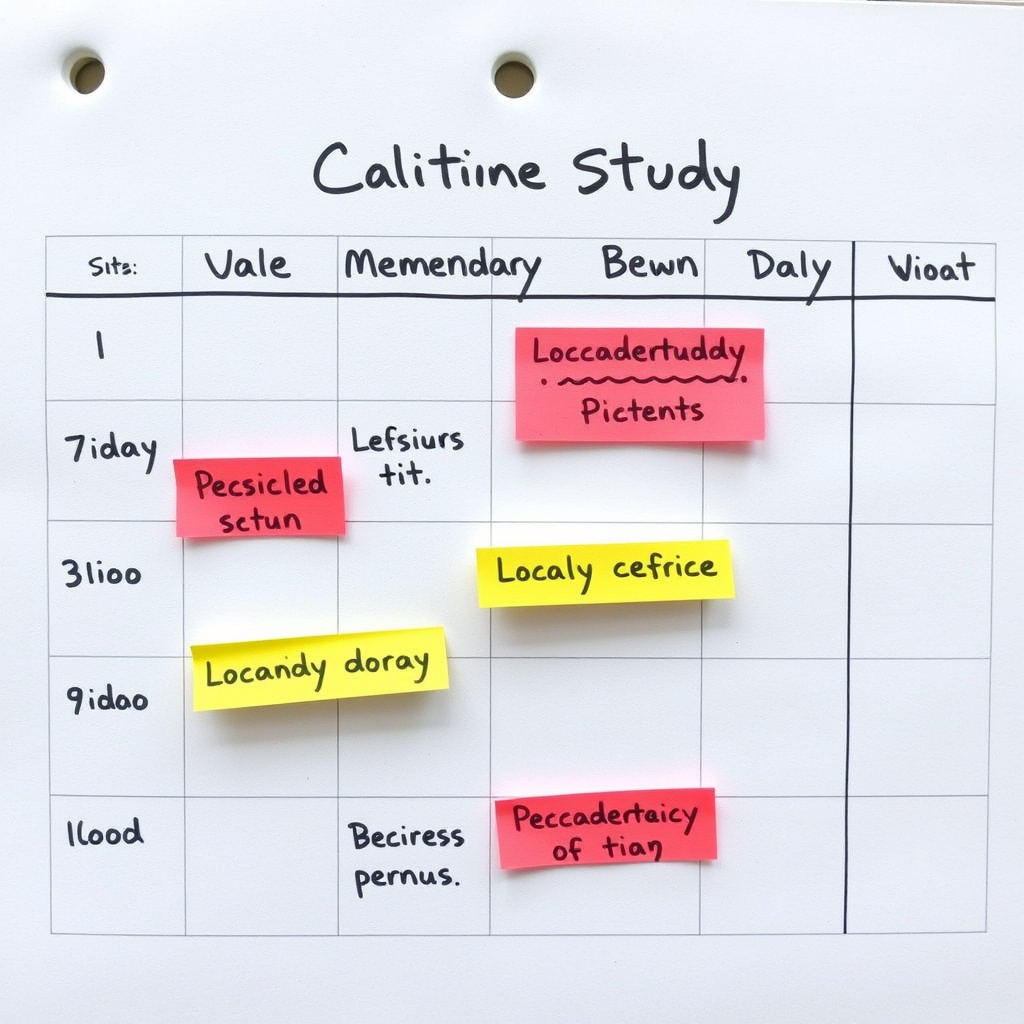
Allocating a set time each day to study and review vocabulary develops a habit that supports steady growth. Even short daily sessions yield better results than irregular, lengthy ones.
Repetition through daily exposure strengthens memory traces and gradually builds a robust lexicon.
- Set daily word goals
- Use reminders or alarms
- Mix different learning activities
Engaging with New Words Regularly
Try incorporating new words into your social media posts, emails, or casual conversations to keep them active. Frequent use prevents forgetting and integrates vocabulary naturally.
Recognize and reflect on words you encounter during daily life to reinforce learning beyond formal study.
- Use flashcards during breaks
- Explain new words to others
- Label items around your environment
Understanding Word Roots and Etymology
Introduction to Roots and Affixes
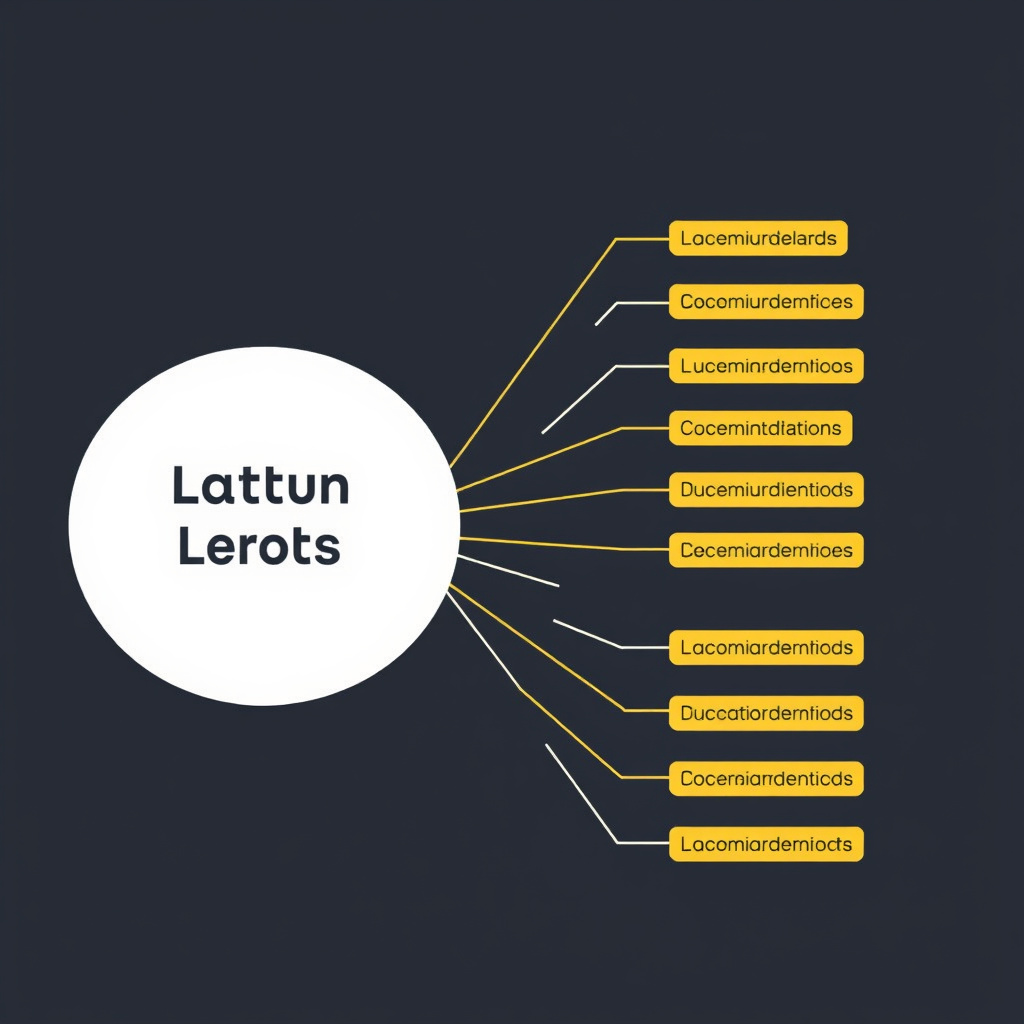
Learning common roots, prefixes, and suffixes helps deduce meanings of unfamiliar words by breaking them into understandable parts. This method accelerates vocabulary acquisition.
Recognizing patterns in word formation connects words with similar meanings, expanding vocabulary efficiently.
- Latin roots like 'aud' (hear)
- Prefixes like 'un-', 're-'
- Suffixes like '-tion', '-able'
For more on this, see our related guide: How to Find the Best Reading Tutor in Doral FL for Your Child.
Applying Etymology for Memory
Understanding a word's origin story can make it more memorable by creating mental associations. Etymology enriches vocabulary learning with fascinating historical context.
Use etymological insights to form mnemonic devices that aid retention and recall.
- Research word history
- Create stories linking word roots
- Connect related words through origin
Leveraging Context to Learn New Words

Inferring Meaning from Context Clues
When encountering unknown words, using nearby words and sentences to guess meaning is an invaluable skill. It speeds up vocabulary building without constant dictionary reliance.
Look for definitions, examples, contrasts, or synonyms within the surrounding text to decode unknown words.
- Definition clues—words explaining the term
- Contrast clues—opposite meaning hints
- Examples illustrating meaning
For a broader understanding, you can explore vocabulary acquisition on Wikipedia to see how word learning fits into language development. Vocabulary acquisition on Wikipedia.
Practicing Contextual Guessing
Practice by reading passages with integrated new vocabulary and attempting meaning inference before verifying with a dictionary. This active engagement boosts comprehension and retention.
Regular application of this technique develops intuitive understanding and reduces frustration when facing unfamiliar words.
- Annotate guessed meanings
- Check accuracy post-reading
- Repeat with increasing difficulty
Common Vocabulary Expansion Methods Compared
Here is a comparison of popular vocabulary learning approaches, highlighting their benefits and ideal use cases.
| Method | Best For | Time Commitment | Effectiveness | Learning Style |
|---|---|---|---|---|
| Reading Diverse Materials | Passive learners | Moderate daily reading | High long-term | Visual/Textual |
| Vocabulary Apps | Tech-savvy learners | Short daily sessions | High with consistency | Interactive/Gamified |
| Writing Practice | Active learners | Regular daily writing | Moderate to high | Kinesthetic/Written |
| Speaking Exercises | Auditory learners | Frequent verbal use | Moderate | Oral/Conversational |
| Studying Roots & Etymology | Analytical learners | Weekly study blocks | Moderate | Analytical/Visual |
| Contextual Guessing | All learners | Ongoing during reading | High when practiced | Contextual/Inferential |
Frequently Asked Questions
How long does it take to see improvement in vocabulary?
With consistent daily practice, noticeable vocabulary improvement can appear within a few weeks, but continued learning is needed for lasting mastery.
Can I expand vocabulary without reading a lot?
Yes, using apps, listening to podcasts, and practicing speaking or writing can also build vocabulary effectively, though reading remains a highly efficient method.
Is memorizing word lists an effective strategy?
Memorizing isolated words often leads to quick forgetting; it's better to learn words in context and use active exercises to retain new vocabulary.
How can I remember new words long-term?
Reviewing new words regularly through spaced repetition, using them in speaking and writing, and connecting them to familiar concepts enhances long-term memory.
Does knowing word roots really help?
Understanding roots and affixes helps you guess meanings of related words, making vocabulary expansion faster and more intuitive.
Key Takeaways
- Expand vocabulary by reading materials slightly above your level.
- Use technology like apps and podcasts to reinforce new words.
- Practice writing and speaking new vocabulary for active use.
- Learn word roots and use context clues to understand unfamiliar words.
Conclusion
Choosing how to expand vocabulary depends on your learning preferences and daily routine. Combining approaches like reading, technology use, and active practice creates balanced growth. Prioritizing consistent, manageable sessions prevents burnout and encourages steady progress over time.
For readers seeking structured progress, vocabulary apps paired with daily reading offer engaging and measurable improvement. Those who prefer more creative approaches might choose writing exercises alongside exploring word roots for deeper understanding. Contextual guessing during regular reading benefits all learners by fostering independence in decoding new words.
Begin by identifying which strategies fit your lifestyle, then set realistic daily goals such as learning five new words or journaling with them. Over time, integrate newly learned vocabulary into conversation and writing to build confidence. With patience and persistence, expanding your vocabulary will enrich your communication skills significantly.