How to Learn Math Effectively: Strategies to Improve Your Math Skills
If you want to learn math successfully, start by focusing on understanding core concepts rather than memorizing formulas. Build a solid foundation by practicing problems regularly, asking questions when concepts aren’t clear, and breaking down complex topics into smaller parts.
Mathematics is a cumulative subject where each topic builds on previous knowledge. This makes learning it challenging but rewarding once patterns and logic become clear. Improving math skills not only boosts academic performance but fosters problem-solving abilities useful in everyday life and careers.
This article will explore effective strategies to learn math, including practical study techniques, resources to use, overcoming common difficulties, and ways to maintain motivation. Whether you’re a student or adult learner, these tips will help you progress thoughtfully and confidently.
Understanding the Fundamentals of Math
Building a Strong Foundation in Arithmetic
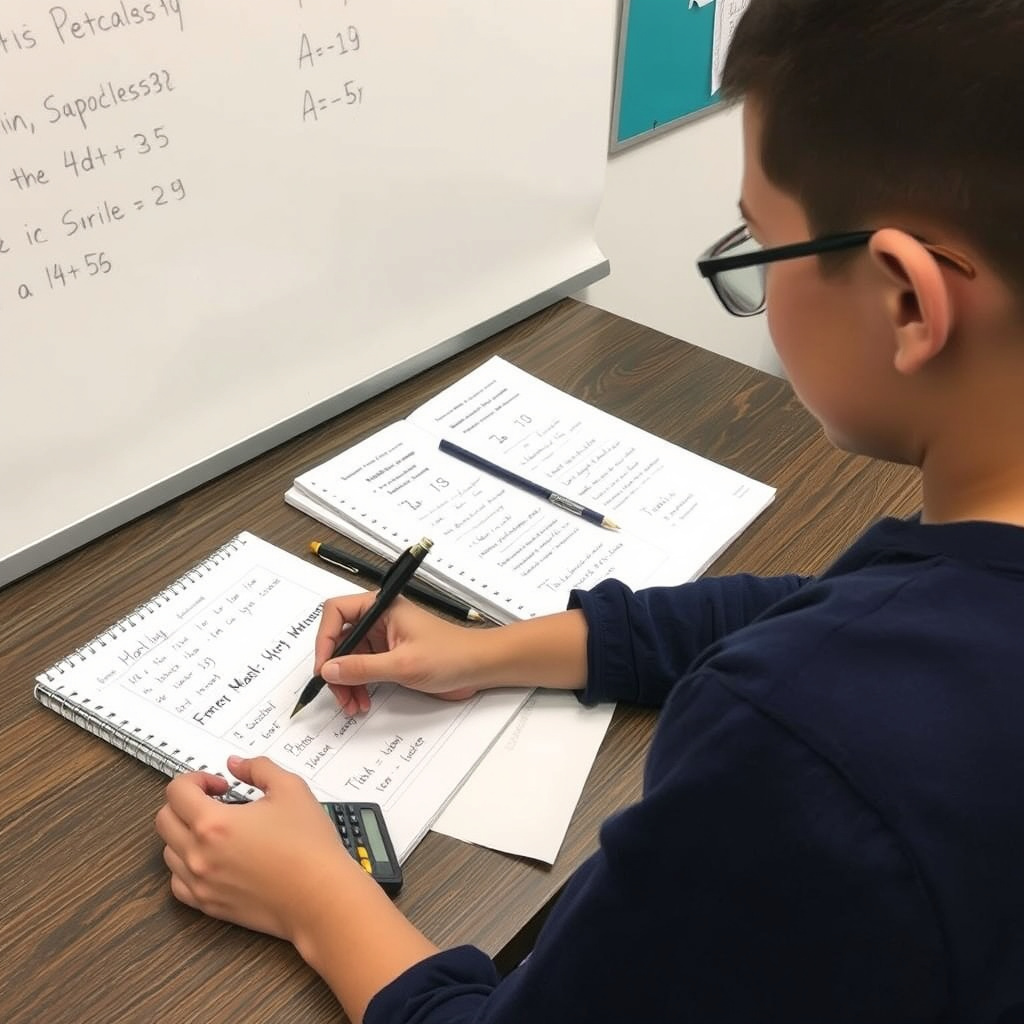
Arithmetic is the basis of all higher math topics. Mastering operations like addition, subtraction, multiplication, and division is essential. Focus on number sense—recognizing relationships between numbers and patterns—which helps when tackling more advanced subjects.
Practice simple calculations daily and use visual aids such as number lines or counters to grasp concepts of magnitude and place value. This foundation reduces frustration later by making advanced topics more approachable.
- Review basic addition and subtraction fluently
- Understand multiplication tables and division basics
- Use visual tools like number blocks or grids
Grasping Key Concepts in Algebra and Geometry
Once arithmetic is solid, begin exploring algebra and geometry. Algebra introduces variables and equations that model relationships, while geometry focuses on shapes, sizes, and spatial reasoning. Both develop critical thinking.
Work on solving simple linear equations and understanding geometric properties like angles and symmetry. Drawing diagrams and using software apps can make abstract ideas tangible and easier to understand.
- Practice solving for x in simple equations
- Explore geometric figures and their properties
- Use graphing tools to visualize equations
Effective Study Techniques for Learning Math

Active Practice and Problem Solving
Math improves through active problem solving, not passive reading. Regularly working through exercises solidifies understanding and reveals areas needing review. Repetition builds confidence and mental agility.
Start with easy problems to build momentum before progressing to complex ones. Use mistakes as learning opportunities—analyze errors to correct misconceptions rather than skip over them.
- Work on exercises daily in varying difficulty
- Review errors carefully to understand misconceptions
- Apply problems to real-life contexts
For more on this, see our related guide: How to Get Effective Math Homework Help Fast and Easily.
Utilizing Visuals and Manipulatives
Visual aids like charts, graphs, and physical objects help turn abstract math ideas into concrete forms. Many learners grasp concepts better with these supports, especially in geometry and fractions.
Manipulatives—such as fraction tiles or algebra tiles—allow hands-on exploration of problems. Additionally, drawing diagrams or flowcharts can organize thoughts and clarify steps.
- Use fraction strips or blocks for visualizing parts of a whole
- Draw geometric shapes rather than just imagining them
- Create step-by-step flowcharts for problem-solving processes
Resources and Tools to Support Your Math Learning

Online Platforms and Apps for Practice
Many digital platforms provide targeted math exercises, instant feedback, and instructional videos. Interactive apps adapt to your skill level, making learning personalized and engaging.
Popular options offer gamified elements to keep motivation high. These resources complement traditional study and can fill gaps in understanding with clear explanations.
- Khan Academy for comprehensive lessons and exercises
- Prodigy Math Game for engaging practice
- Mathway for step-by-step problem explanations
Books and Workbooks Tailored to Learning Levels
Workbooks designed for various skill levels provide structured practice. They often include review sections and answer keys for self-assessment.
Selecting books that match your current ability keeps challenges achievable yet stimulating, helping to avoid frustration or boredom.
- Choose materials suited to your learning stage
- Use workbooks with progressive difficulty
- Reference solution manuals for guidance
Common Challenges When Learning Math and How to Overcome Them

Dealing with Math Anxiety and Frustration
Many learners experience math anxiety that inhibits their confidence and progress. Address this by approaching problems calmly, breaking tasks into smaller steps, and celebrating small victories.
Mindset matters; remind yourself that struggling is part of learning. Seek support from teachers or peers when stuck, and practice relaxation techniques to reduce stress.
- Take breaks during challenging sessions
- Practice positive self-talk
- Ask for help when needed
For more on this, see our related guide: How to Choose an Elementary Math Tutor in Doral FL for Your Child’s Success.
Avoiding Common Pitfalls and Gaps in Knowledge
Skipping foundational concepts causes difficulties later. If you notice recurring mistakes, revisit earlier topics until they feel secure. Following a logical progression prevents cumulative gaps.
Be patient with yourself; some concepts take time to click. Use varied resources to find explanations that resonate and clarify confusing points.
- Identify weak areas through regular review
- Fill knowledge gaps before advancing
- Use different teaching materials for alternative explanations
Maintaining Motivation and Consistency in Math Learning
Setting Realistic Goals and Tracking Progress
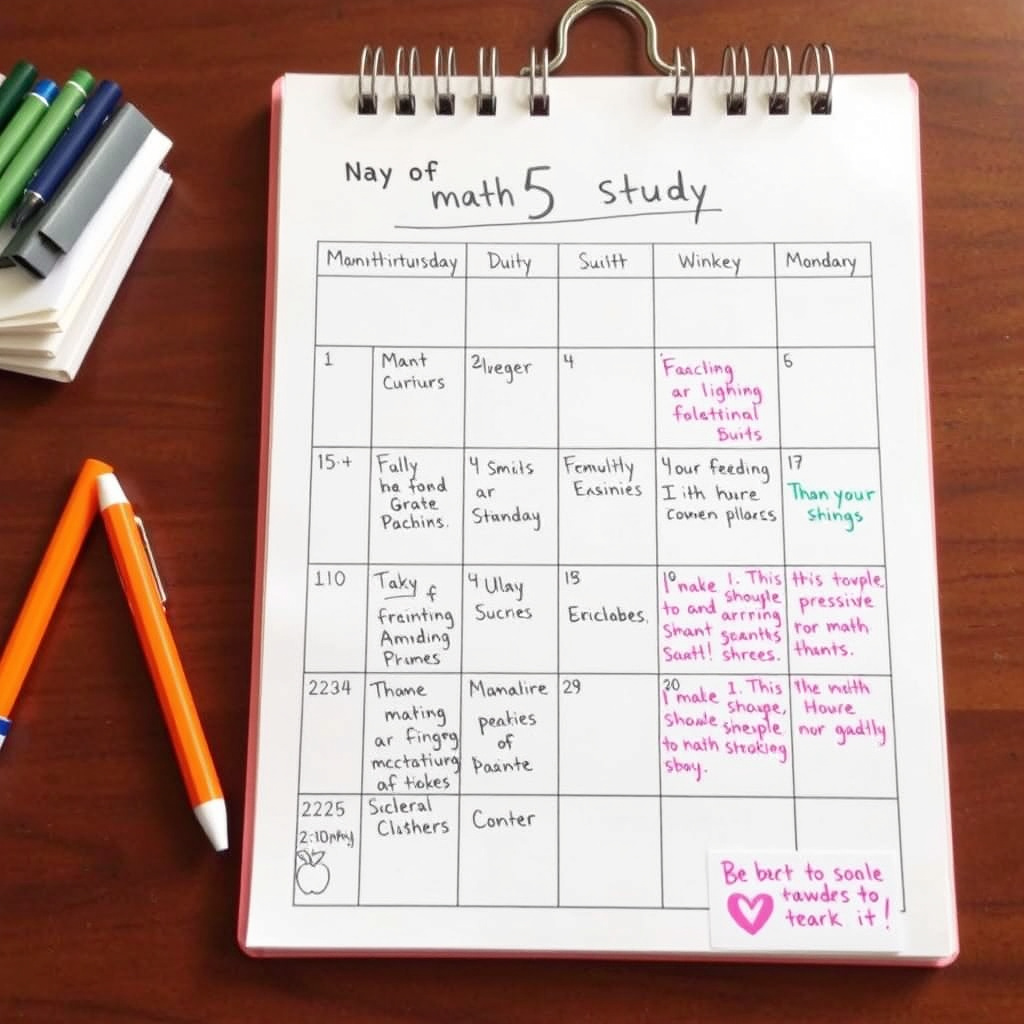
Establish clear, manageable math goals tailored to your needs and timeframe. Tracking progress boosts motivation by showing improvement over time.
Use journals, apps, or charts to record achievements and challenges. Celebrate milestones to keep enthusiasm alive and set new targets as skills grow.
- Set daily or weekly achievable objectives
- Log completed exercises and topics mastered
- Reward yourself for consistent effort
To explore more about effective math education theories and approaches, visit this detailed learning mathematics overview. learning mathematics overview.
Creating a Supportive Learning Environment
A dedicated, distraction-free space helps maintain focus. Studying with peers or tutors provides accountability, alternative perspectives, and encouragement.
Participating in study groups or online communities connects you with others on similar journeys, offering motivation and shared resources.
- Design a quiet, well-lit study area
- Join math clubs or online forums
- Schedule regular study sessions
Comparison of Popular Methods for Learning Math
This table compares different approaches to learning math based on accessibility, interactivity, cost, and ideal users.
| Method | Accessibility | Interactivity | Cost | Best For |
|---|---|---|---|---|
| Textbooks and Workbooks | High | Low | Low | Self-motivated learners |
| Online Video Tutorials | Very High | Medium | Mostly Free | Visual learners |
| Interactive Apps | High | High | Free to Moderate | Gamified practice seekers |
| Tutoring Sessions | Variable | High | High | Personalized guidance seekers |
| Study Groups | Medium | High | Free | Collaborative learners |
Frequently Asked Questions
How long does it usually take to improve math skills?
Improvement depends on consistent practice and starting level, but noticeable progress often occurs within a few months of regular study.
Can I learn math on my own without a teacher?
Yes, with the right resources and discipline, self-study can be effective, especially using tutorials, workbooks, and interactive apps.
What if I forget formulas or methods?
Focus on understanding concepts over memorization and regularly review key formulas to better retain important information.
Is it better to focus on one math topic at a time?
Working on one topic deeply often leads to better mastery, though occasional reviewing of previous topics helps maintain retention.
How can I stay motivated when math gets difficult?
Set small goals, track achievements, seek support from others, and remind yourself that struggling is a normal part of learning.
Key Takeaways
- Focus on understanding math concepts over memorization
- Practice regularly with a variety of problems
- Use diverse resources like apps, books, and study groups
- Maintain motivation with goals and supportive environments
Conclusion
Learning math begins with building a strong foundational understanding of basic arithmetic and gradually moving into algebra, geometry, and beyond. The process requires patience, consistent practice, and a willingness to confront challenges directly. Effective math learning hinges on comprehension rather than rote memorization, supported by varied techniques tailored to individual learning styles.
For learners seeking the best methods for learning math, combining traditional resources like textbooks with modern tools such as interactive apps creates a balanced approach. For example, those struggling with anxiety might benefit from slow-paced workbooks alongside low-pressure interactive games, while others might prefer tutoring for personalized feedback. Regularly setting achievable goals and reviewing weaknesses ensures steady progress.
Taking the first step involves choosing the resources and study habits that fit your needs and lifestyle. Whether that means dedicating a quiet hour daily to problem solving or joining a study group for collaborative learning, the key is consistency and engagement. Start today by identifying your current level and setting realistic goals — your math skills will improve steadily from there.