How to Prepare for Exams Effectively: Proven Strategies for Success
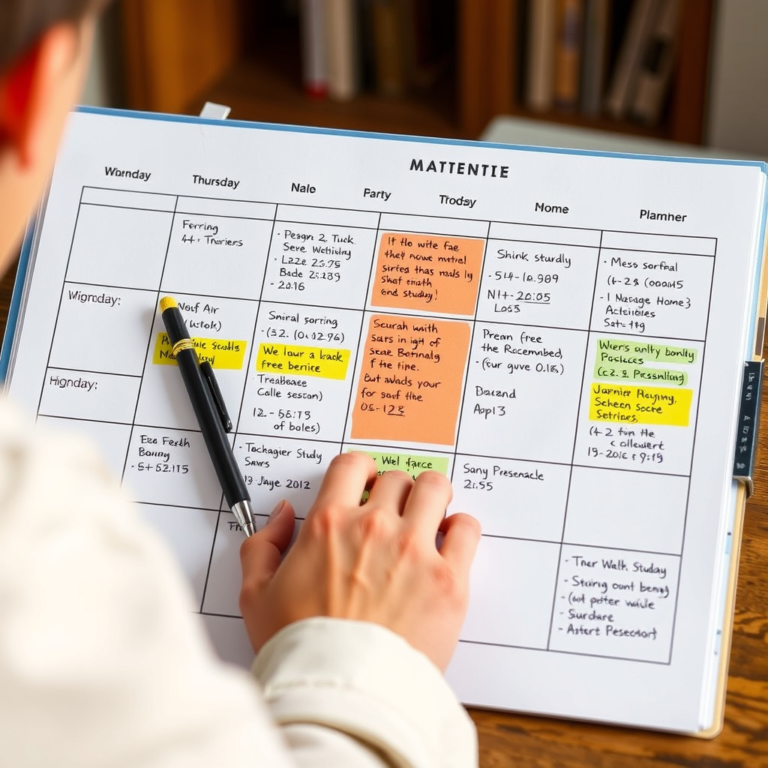
Preparing for exams requires more than last-minute cramming; it demands a clear plan that balances study, rest, and practice to truly retain information. To do well on exams, focusing on structured revision methods and understanding key concepts early on is essential.
Many students overlook how a well-organized approach to exam preparation can ease anxiety and improve performance. Managing your time wisely and actively engaging with the material helps create meaningful learning instead of shallow memorization.
This article covers practical ways to prepare for exams effectively. You will find strategies for organizing your study schedule, techniques for active learning, ways to avoid burnout, and tips on managing exam-day conditions to maximize your performance.
Organizing Your Study Schedule
Creating a Realistic Timeline
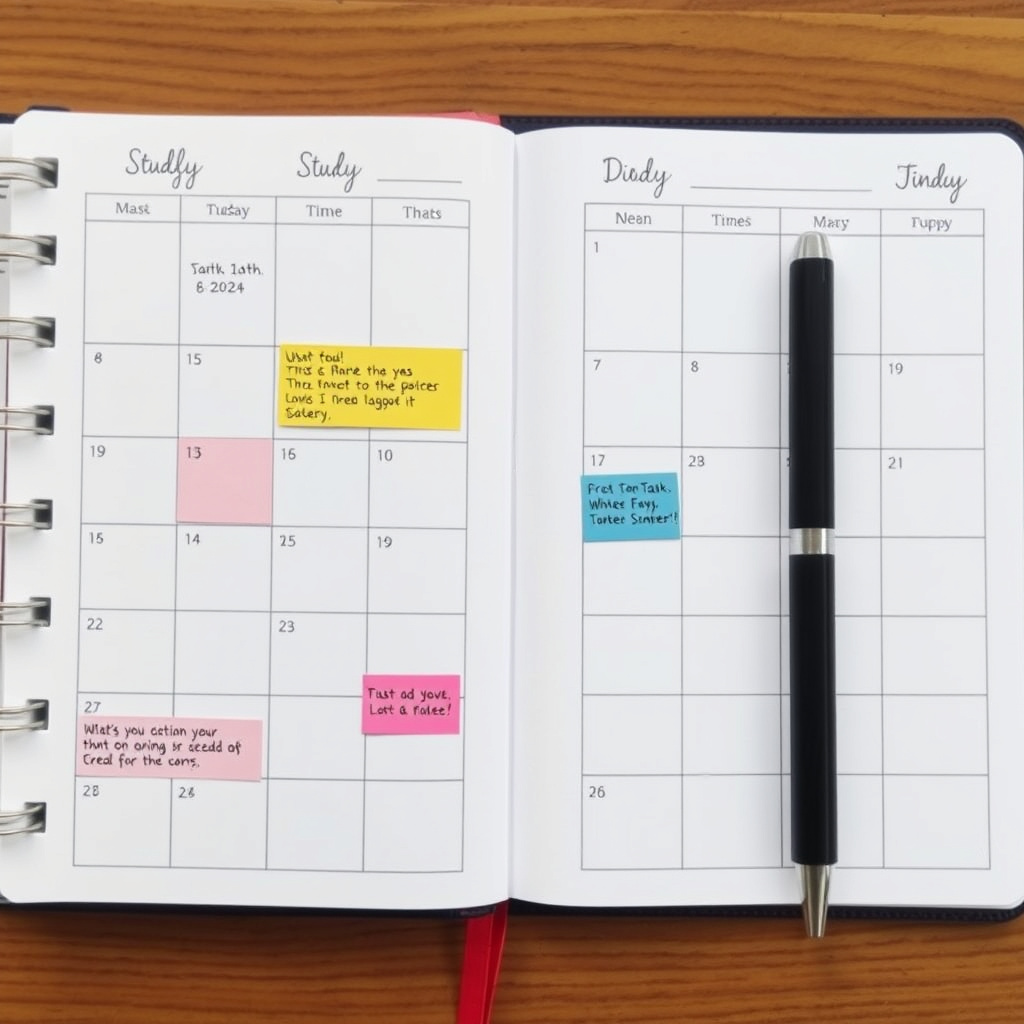
Start by mapping out all your exams and the topics you need to cover, breaking your available days into manageable study blocks. Allocating fixed periods ensures you cover every subject adequately without last-minute rushes.
Prioritize difficult or heavy-content subjects earlier in the preparation period to allow more revision time and better absorption. Use tools like digital calendars or planners to stay on track.
- List exam dates and subjects
- Divide topics into daily goals
- Set achievable daily time targets
- Include buffer days for review
Balancing Study with Rest
Regular breaks during study sessions are essential for memory consolidation and maintaining focus. The Pomodoro technique, with 25 minutes of study followed by a 5-minute break, is effective for many learners.
Include days for complete rest and light activities to avoid burnout. Sleep plays a crucial role in learning, so maintain consistent sleep schedules even during intensive study phases.
- Avoid studying for longer than 90 minutes at once
- Use breaks to stretch or relax
- Keep consistent sleep hours
- Incorporate leisure activities weekly
Active Learning Techniques

Using Flashcards and Practice Questions
Flashcards help reinforce memory through repetition, especially for definitions, formulas, or vocabulary. Writing down questions yourself promotes deeper understanding.
Practice questions simulate exam conditions, enabling you to apply knowledge and identify weak areas. Review mistakes carefully to improve.
Incorporate exam study tips like spaced repetition to revisit flashcards at increasing intervals, optimizing long-term retention.
- Create custom flashcards per topic
- Attempt past papers under timed conditions
- Analyze errors to focus revision
- Review flashcards daily with spaced timing
For more on this, see our related guide: How to Choose the Best Test Preparation Tutor in Doral FL for Effective Results.
Summarization and Teaching
Summarizing each topic in your own words forces active processing and highlights your understanding. Bullet-point notes, mind maps, or diagrams are useful tools.
Teaching content to peers or even aloud to yourself reveals gaps in knowledge and reinforces memory. This active engagement solidifies concepts better than passive reading.
- Write concise summaries after each study session
- Use visual aids like charts
- Explain topics to a study partner or out loud
- Ask questions and discuss concepts for clarity
Managing Stress and Motivation

Techniques to Reduce Exam Anxiety
Exam stress can hinder recall and focus. Simple mindfulness exercises, such as deep breathing or short meditation sessions, help calm nerves before and during study.
Keeping a positive mindset and setting realistic goals reduces pressure. Avoiding all-nighters and eating nutritious meals supports mental clarity and energy.
- Practice deep breathing exercises
- Maintain a balanced diet
- Limit caffeine and sugar intake
- Stick to a consistent sleep schedule
Staying Motivated During Preparation
Setting short-term rewards after completing study goals helps maintain motivation. Varying study topics can prevent monotony.
Visualizing success can reinforce your drive. Joining study groups provides social support and shared accountability.
- Set achievable daily targets
- Reward yourself after milestones
- Change study environment occasionally
- Participate in group study sessions
Effective Use of Study Resources

Choosing Quality Study Materials
Reliable textbooks, lecture notes, and trusted online resources are crucial for focused preparation. Use official syllabus guides to align your studies with exam requirements.
Supplement your learning with educational videos or apps that explain tough concepts differently. Avoid overloading with too many conflicting sources.
- Refer to official course materials
- Use well-reviewed supplementary resources
- Cross-check facts from multiple sources
- Avoid excessive resource switching
For more on this, see our related guide: How to Find the Best Math Tutor in Doral FL for Your Needs.
Organizing Notes for Efficient Review
Keep your notes clear and well-structured with headings and bullet points to facilitate quick revision. Digital note-taking apps allow easy searching and editing.
Regularly updating and consolidating notes helps keep key information fresh and reduces studying redundancies.
- Use consistent formatting for notes
- Summarize lengthy texts
- Highlight key points or formulas
- Backup digital notes across devices
Exam Day Preparation and Strategy

What to Do the Day Before
The day before exam should focus on light review rather than intense studying to avoid fatigue. Prepare all necessary materials such as admission tickets, stationery, and identification ahead of time.
Get enough rest and eat balanced meals to ensure mental sharpness. Avoid new topics that could cause confusion or anxiety.
- Pack exam essentials in advance
- Review key formulas or summaries
- Go to bed early
- Avoid last-minute cramming
For a broader understanding, consider exploring detailed exam preparation strategies through this informative Wikipedia article. Exam preparation strategies.
During the Exam: Time and Stress Management
Read through the entire exam paper before starting to plan your time allocation. Begin with questions you find easiest to build confidence and secure marks early.
Stay calm by controlling your breathing and momentarily pausing if anxiety arises. If stuck, move to the next question and return later to avoid wasting time.
- Scan the paper quickly at the start
- Divide time per question
- Keep breathing steady to reduce panic
- Review answers if time allows
Comparison of Common Study Methods
Here's a quick look at various study methods and how they stack up by focus, preparation time, and suitability.
| Method | Focus | Preparation Time | Best For |
|---|---|---|---|
| Flashcards | Recall and repetition | Short sessions daily | Memorizing terms and definitions |
| Practice Tests | Applied knowledge | Moderate, scheduled | Exam simulation and time management |
| Summarization | Concept understanding | Flexible length | Complex theoretical subjects |
| Group Study | Collaborative learning | Varies | Discussing and explaining concepts |
| Mind Maps | Visual connections | Short to moderate | Organizing large topics visually |
Frequently Asked Questions
How far in advance should I start preparing for exams?
Begin at least three to four weeks before exams to allow thorough coverage of all subjects and time for review, reducing stress and avoiding last-minute cramming.
Are all study techniques equally effective for every subject?
No, different subjects benefit from varied approaches; for example, practice problems suit math, while summarization and discussion work better for humanities.
How can I improve concentration during long study sessions?
Use techniques like the Pomodoro method, remove distractions, stay hydrated, and take short breaks to maintain focus over extended periods.
What should I do if I forget material during an exam?
Take a deep breath, skip that question temporarily, and move on. Return later refreshed; sometimes, answering other questions helps trigger your memory.
Is group study beneficial or distracting?
Group study can be helpful when discussing difficult concepts and gaining different perspectives but should be structured to avoid off-topic distractions.
Key Takeaways
- Plan your study schedule realistically with balanced breaks
- Use active learning tools like flashcards and practice exams
- Manage stress with relaxation techniques and proper rest
- Prepare exam day essentials and strategies ahead
Conclusion
The approach to preparing effectively for exams revolves around structured planning, active engagement, and well-managed rest. Prioritizing your subjects, organizing study materials, and using varied learning methods helps build deeper understanding and confidence. Incorporating stress management techniques ensures you remain clear-headed and productive throughout your preparation period.
If you are tackling multiple subjects, starting your studies several weeks in advance with focused methods like flashcards for memorization and practice tests for applying knowledge can greatly improve outcomes. Balancing solo study with group discussions enhances comprehension, while adhering to a consistent sleep schedule supports memory retention. Tailoring your strategy to your strengths and exam specifics is key to achieving your best scores.
As the exam day approaches, keep your focus on reviewing key points without overwhelming yourself, prepare everything you need in advance, and maintain calm through simple breathing exercises. Developing and following a personalized study plan based on these steps will not only improve your exam results but also make your preparation less stressful and more fulfilling.