How to Concentrate While Studying: Proven Strategies for Better Focus
How to concentrate while studying involves creating an environment and mindset that minimizes distractions and maximizes mental engagement. Simple strategies like organizing your study space, setting clear goals, and using time management methods can help enhance your focus immediately.
Maintaining strong concentration is essential because it directly impacts how well you retain information and complete tasks efficiently. When distractions are reduced and focus is heightened, studying becomes more productive and less time-consuming, leading to better academic performance and less stress.
This article covers practical ways to improve concentration, including setting up effective study zones, managing digital distractions, using time management tools, and adopting mental techniques to stay attentive. By exploring these areas, you’ll develop a tailored approach to study with sustained focus.
Creating an Effective Study Environment

Choosing the Right Location
Selecting a quiet place free from interruptions is fundamental for concentration. Ideally, this space should have comfortable seating, good lighting, and minimal noise to help you stay focused over longer periods.
Avoid study spots near TVs, heavy foot traffic, or high-traffic social areas. Consistently using the same space can psychologically prepare your brain for focused work, improving concentration over time.
- Quiet room or library corner
- Good natural or artificial lighting
- Comfortable chair and desk setup
Organizing Your Study Space
A cluttered environment can disrupt focus by continually drawing your attention away. Keep only the materials needed for your study session nearby, and put away unrelated items.
Having supplies like notebooks, pens, and textbooks within reach helps maintain flow without unnecessary interruptions. Regularly tidying your space creates a distraction-free environment conducive to sustained focus.
- Minimal desk clutter
- Essential study materials accessible
- Organized note-taking supplies
Managing Digital Distractions
Controlling Device Use
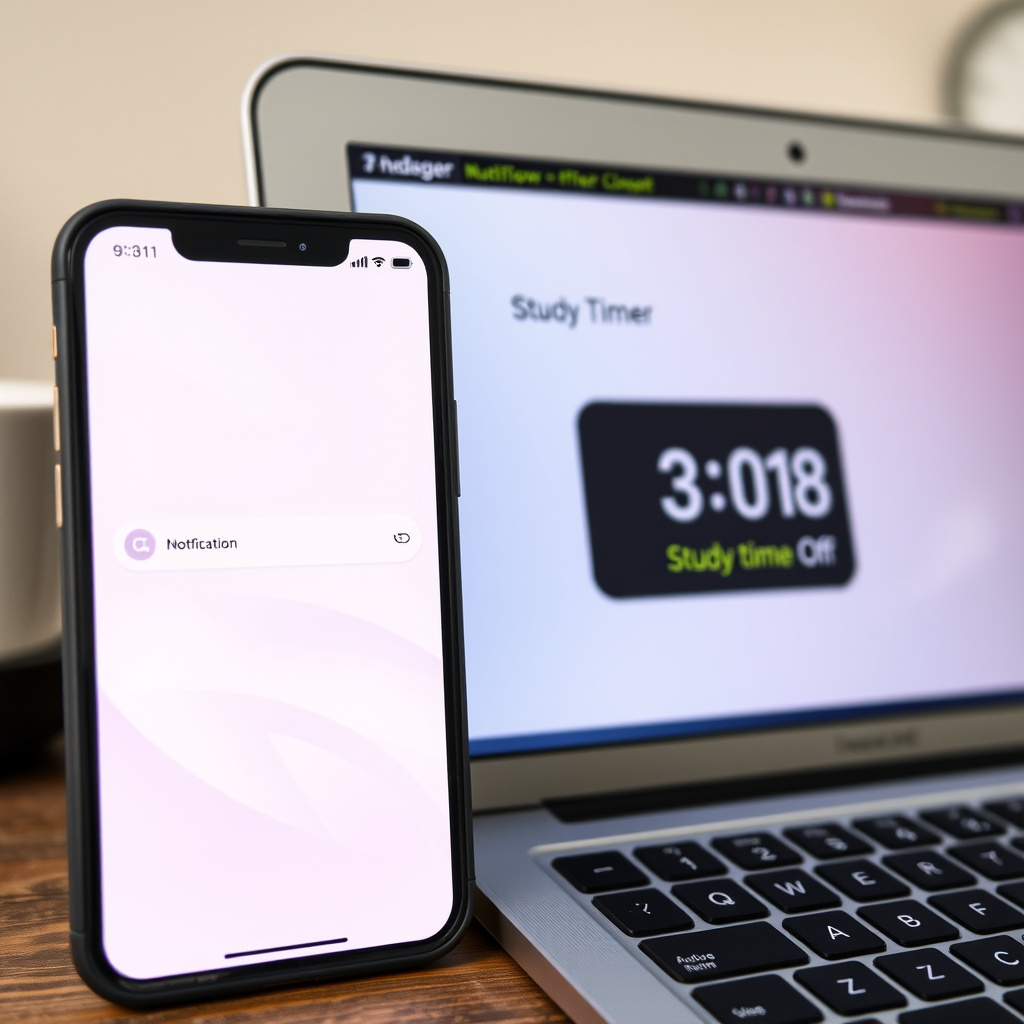
Electronic devices like smartphones and computers are common sources of interruption. Turning off non-essential notifications or using apps that block distracting sites during study sessions helps maintain concentration.
Consider setting designated tech breaks to check messages or social media, so your focus isn’t fragmented throughout your study period.
- Enable ‘Do Not Disturb’ mode
- Use website blockers during study
- Schedule short tech-free intervals
Using Technology to Aid Focus
Rather than being a distraction, technology can support your concentration. Tools like Pomodoro timers break study time into manageable chunks, prompting regular breaks that help prevent burnout.
Apps offering ambient noise or focus music can also improve attention, especially in environments where external sounds may be disruptive.
- Pomodoro technique timers
- Focus-enhancing music apps
- Ambient noise generators
Implementing Time Management Strategies

Setting Specific Study Goals
Clear, achievable objectives give your study session direction and purpose, making it easier to stay concentrated on tasks. Breaking down larger subjects into smaller topics can help maintain progress motivation.
Define what you want to accomplish each session, whether reading a chapter, completing practice problems, or reviewing notes, and track your progress visibly.
- Create daily study targets
- Break large tasks into smaller steps
- Use checklists to mark completed goals
Scheduling Regular Breaks
Short, planned breaks help your brain rest and maintain attention when you return to studying. Techniques like the Pomodoro method, with 25-minute study periods followed by five-minute breaks, have proven effective.
Longer breaks should be spaced after several cycles to recharge more fully, avoiding fatigue and sustaining overall study endurance.
- Use timers to enforce study-break cycles
- Engage in brief physical activity during breaks
- Avoid screen time during breaks for mental rest
Adopting Mental and Physical Techniques for Focus

Mindfulness and Breathing Exercises
Brief mindfulness practices or focused breathing can center your attention and reduce stress that disrupts concentration. Spending a few minutes before studying to clear your mind enhances readiness for complex tasks.
These techniques build mental resilience, making it easier to resist distractions and maintain steady focus for longer durations.
- Five-minute deep breathing before study
- Mindfulness meditation to reset attention
- Visualization of study goals
Physical Health and Concentration
Adequate sleep, hydration, and nutrition play critical roles in sustaining mental alertness. Fatigue or dehydration can impair your ability to focus, while balanced meals provide necessary brain fuel.
Including regular physical activity boosts overall cognitive function and can increase your ability to concentrate during study periods.
- Drink water regularly during study sessions
- Prioritize 7-8 hours of sleep nightly
- Incorporate exercise into daily routine
Techniques to Stay Engaged with Study Material

Active Note-Taking Methods
Engaging with material through active note-taking, like summarizing concepts in your own words or drawing diagrams, improves information retention and focus.
Techniques such as Cornell notes or mind mapping encourage deeper processing, keeping your mind attentive rather than passive during reading.
- Summarize key points actively
- Use diagrams and flowcharts
- Practice recalling material after notes
For more detailed insights into various effective study methods, see this studying techniques article on Wikipedia. studying techniques article on Wikipedia.
Varying Study Techniques
Alternating between reading, writing, and self-testing prevents boredom and keeps your brain engaged. Changing study formats also reinforces learning through different cognitive pathways.
Using flashcards, teaching content aloud, or practicing questions are ways to maintain interest and concentration during long study periods.
- Mix reading with practice problems
- Use flashcards for active recall
- Explain material aloud to yourself
Comparison of Study Concentration Strategies
Below is a comparison of common techniques to improve concentration while studying, highlighting their key features and best-use scenarios.
| Strategy | Best For | Ease of Use | Effectiveness |
|---|---|---|---|
| Study Environment Setup | Minimizing distractions | Moderate | High |
| Digital Distraction Management | Tech-heavy workflows | Easy | High |
| Time Management (Pomodoro) | Structured study sessions | Easy | High |
| Mindfulness and Breathing | Stress reduction | Moderate | Moderate |
| Active Note-Taking | Information retention | Moderate | High |
| Varying Study Techniques | Maintaining engagement | Moderate | High |
Frequently Asked Questions
How long should my study sessions be for best concentration?
Study sessions of 25-50 minutes followed by short breaks are generally effective. Techniques like Pomodoro use 25-minute blocks to help sustain focus without burnout.
Does listening to music help improve concentration while studying?
For some, low-volume instrumental or ambient music can aid focus by masking distractions. However, music with lyrics may divert attention for tasks requiring deep concentration.
How can I avoid procrastination when trying to concentrate?
Setting clear goals, breaking tasks into manageable parts, and using timers to structure study periods can reduce procrastination by making work feel less overwhelming.
Will physical exercise before studying improve my focus?
Yes, light to moderate exercise increases blood flow to the brain, enhancing alertness and concentration during subsequent study sessions.
Are digital detoxes necessary for better concentration?
Limiting non-essential device use during study periods reduces interruptions. Scheduled breaks for digital use prevent distraction and maintain focus.
Key Takeaways
- Set up a dedicated, distraction-free study environment
- Manage digital distractions with focused device use
- Use time management methods like Pomodoro for structure
- Incorporate active study techniques to boost engagement
Conclusion
Improving how to concentrate while studying requires a mix of environmental control, mental discipline, and practical strategies. By customizing your space, managing technology, and structuring study time, concentration can become more natural and less forced. Combining these approaches lets you create a consistent routine that prepares your brain for effective learning each session.
Those seeking focused study should start by organizing their physical surroundings to minimize interruptions and then adopt time-tested methods such as the Pomodoro technique. Incorporating mindfulness and active note-taking can support mental clarity and deeper engagement with study materials. For example, digital distraction management suits students who rely heavily on technology, while active recall techniques benefit those needing to memorize detailed information.
Ultimately, the path to better concentration involves experimenting with these strategies and discovering which mix fits your habits and subjects best. Begin by setting small goals for your next study session using a timer app and gradually add practices like short mindfulness exercises and varied note-taking. This practical approach helps build sustainable concentration skills that improve both retention and academic results.