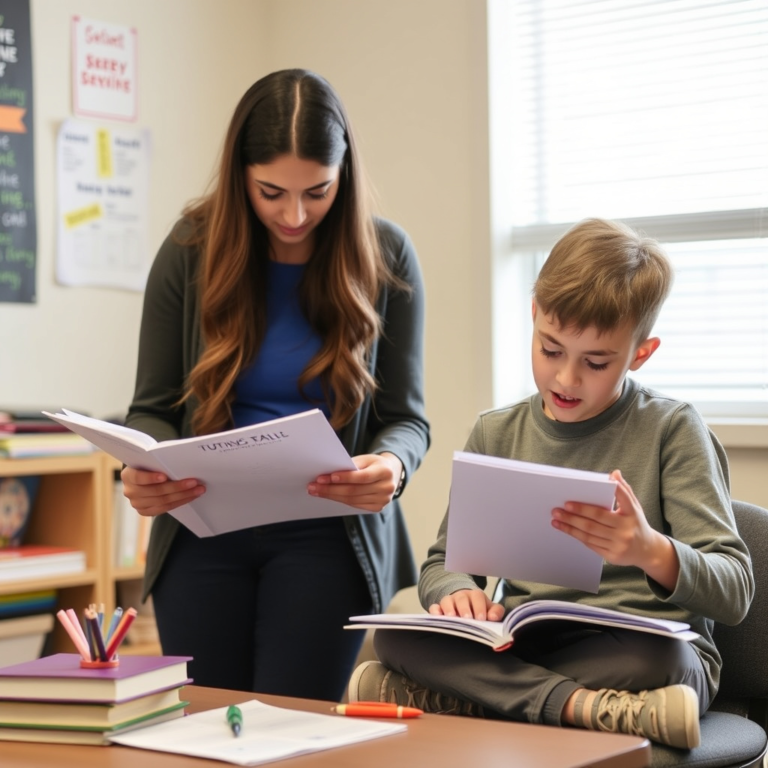
How to Practice Math at Home Effectively: Strategies and Tips
Practicing math at home involves creating a consistent routine with clear goals, using a variety of resources such as textbooks, online tools, and daily exercises to strengthen understanding and skill. Setting aside specific times for practice and focusing on problem-solving rather than rote memorization leads to better retention and confidence.
This matters because math builds on foundational concepts; without regular practice, gaps develop that make advanced topics harder to grasp. Home practice gives flexibility to focus on weak areas and allows learners to approach problems at their own pace, cementing knowledge more thoroughly than last-minute cramming or inconsistent study.
In this article, you’ll find practical techniques for structuring your math practice at home, useful resources to guide your studies, tips to stay motivated, and advice on tracking progress. These strategies apply whether you’re a student, parent helping a child, or adult refreshing skills.
Creating a Structured Math Practice Routine
Setting Realistic Daily Goals
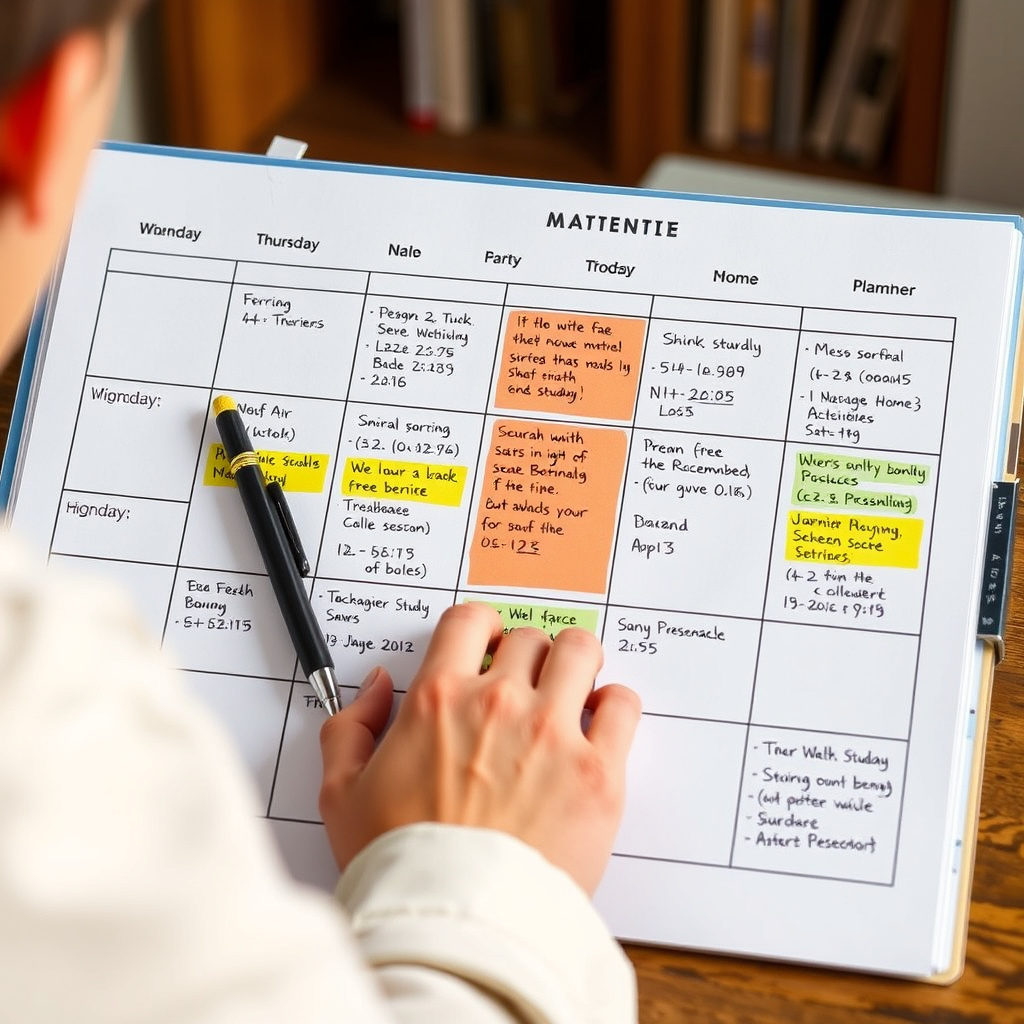
Establishing achievable daily goals is key to steady math improvement. Aim for short, focused sessions that target specific topics or skills rather than long, unfocused study periods. For example, dedicating 20-30 minutes each day to practicing fractions or algebra problems helps maintain consistent progress.
Breaking practice into manageable chunks prevents burnout and builds habits. Tracking completed goals daily also reinforces a sense of accomplishment and motivates continued effort.
- Choose one topic per session
- Set a time limit of 20–30 minutes
- Use a checklist to mark daily achievements
Balancing Variety and Focus
While repetition is important, mixing different types of math problems keeps practice engaging and broadens understanding. Rotate between computation exercises, word problems, and conceptual questions to develop a well-rounded skill set.
Focusing intensively on weak areas for short bursts is effective, but returning to mastered topics periodically prevents forgetting and reinforces confidence.
- Alternate problem types every few days
- Review previous concepts weekly
- Incorporate both mental math and written exercises
Utilizing Resources for Math Practice at Home
Online Tools and Apps
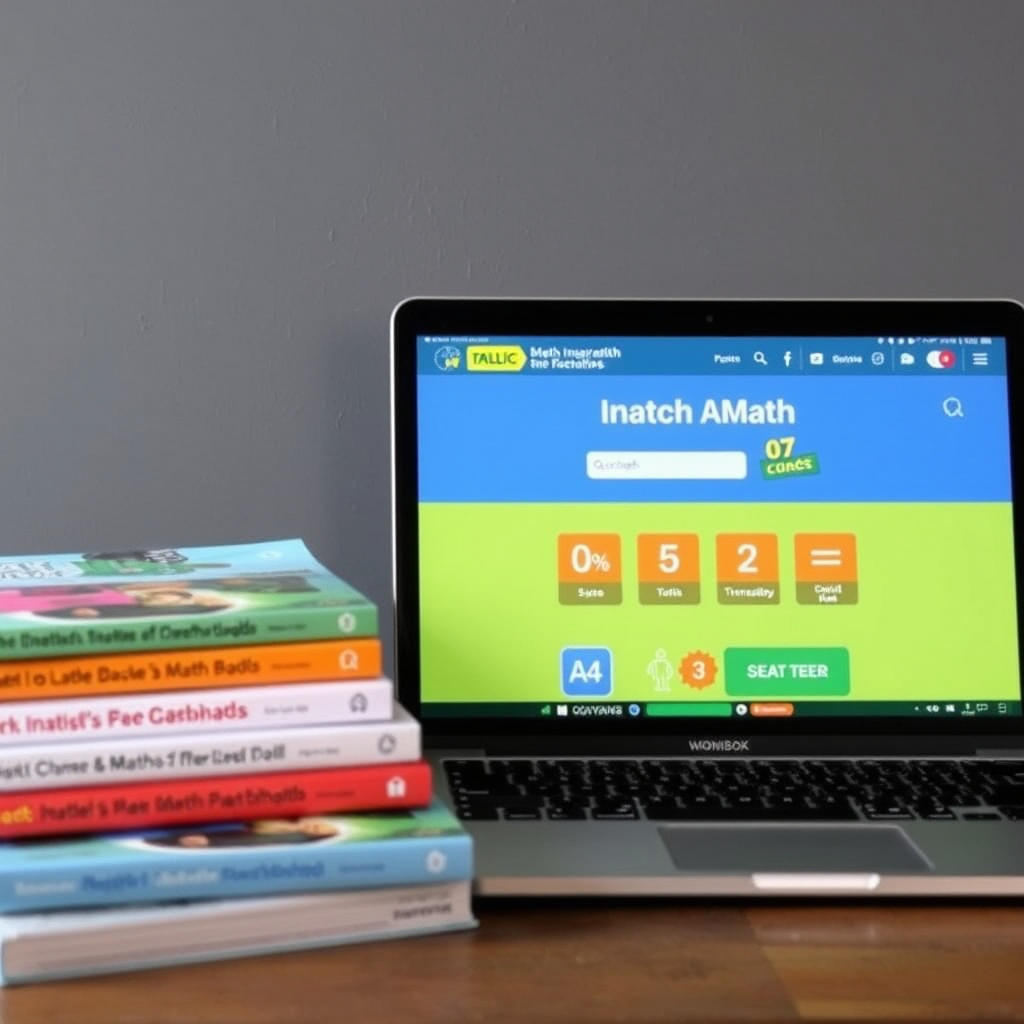
Digital platforms offer interactive exercises, immediate feedback, and personalized learning paths. Websites like Khan Academy, IXL, or Prodigy provide structured lessons for various grade levels and topics, making practice more engaging.
Many apps facilitate adaptive learning by adjusting problem difficulty based on your performance, allowing for targeted practice aligned with your current skill level.
- Khan Academy for comprehensive lessons
- IXL for skill-specific practice
- Prodigy for gamified learning
Textbooks and Printable Worksheets
Traditional resources like textbooks provide a systematic progression through math curricula and detailed explanations. Printable worksheets allow focused practice on specific skills without screen time distractions.
Worksheets from reputable educational sites or math workbooks designed for your level help reinforce concepts with repetition and variety.
- Use grade-appropriate textbooks
- Download worksheets from sites like Math-Aids.com
- Combine textbook theory with worksheet drills
Employing Effective Practice Techniques

Active Problem Solving Over Passive Review
Actively working through problems solidifies understanding far better than passively reading solutions or watching tutorials. Attempt each problem independently before checking answers to cultivate critical thinking.
Analyzing errors carefully helps identify misconceptions and prevents repeating mistakes, essential for lasting improvement.
- Try solving problems on your own first
- Review mistakes and understand errors
- Explain your reasoning aloud or in writing
For more on this, see our related guide: How to Get Effective Math Homework Help Fast and Easily.
Using Spaced Repetition
Spaced repetition involves reviewing concepts at increasing intervals, which helps transfer knowledge from short-term to long-term memory. Regularly revisit topics, cycling back to earlier material after days or weeks of focusing on newer content.
This method reduces forgetting and strengthens connections between mathematical ideas.
- Schedule weekly reviews of past topics
- Mix older questions with new practice
- Use flashcards for math formulas and rules
Maintaining Motivation While Practicing Math at Home
Setting Rewards and Milestones
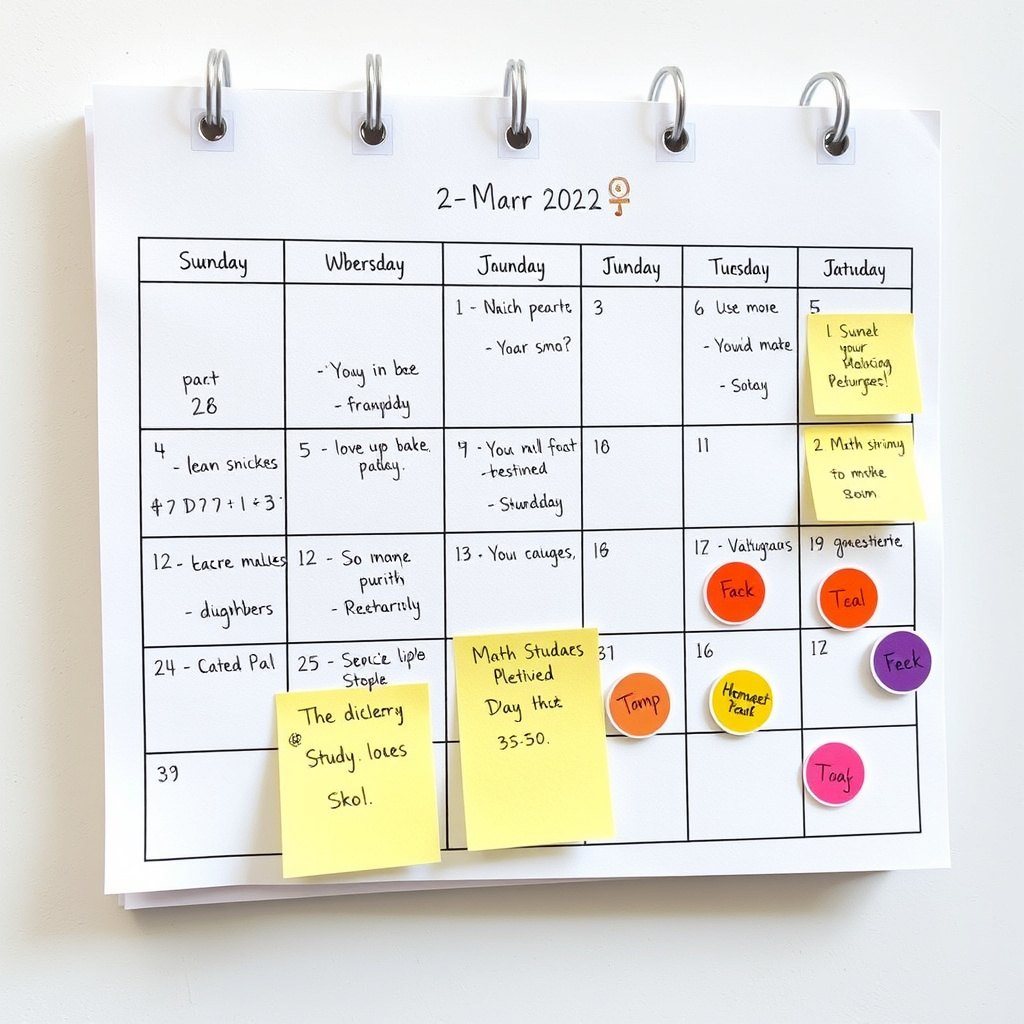
Establishing small milestones with tangible rewards encourages persistence and makes practice sessions more enjoyable. For instance, after completing a set number of problems or mastering a new concept, treat yourself to a short break or a favorite activity.
This creates positive reinforcement and links effort to satisfaction.
- Define clear, achievable milestones
- Plan simple rewards after accomplishments
- Celebrate progress to boost confidence
Keeping Practice Social
Studying math with a friend or family member can add accountability and fun. Explaining problems aloud to someone else enhances comprehension and reveals gaps in understanding.
Online forums or group study sessions offer additional social interaction and problem-solving collaboration.
- Pair up with a study buddy
- Join online math groups or clubs
- Discuss solutions together to deepen insight
Tracking Progress and Adjusting Strategy
Using Logs and Journals
Keeping a math practice journal records daily goals, problems tackled, mistakes corrected, and concepts learned. Reviewing this log weekly highlights strengths and areas needing extra attention.
This reflective practice helps tailor your routine for maximum benefit.
- Write down topics and types of problems completed
- Note any recurring difficulties
- Summarize lessons learned after each session
For more on this, see our related guide: Effective Homework Help Tips for Students in Doral FL.
Adapting Practice Based on Feedback
Assess your progress by testing yourself regularly and tracking accuracy and speed. Use results to modify your focus areas and increase or decrease difficulty.
Being flexible with your approach leads to continual growth and avoids frustration.
- Take periodic timed quizzes
- Focus on weakest topics identified
- Increase problem difficulty gradually
Incorporating Math into Daily Life

Real-World Problem Applications
Applying math to everyday situations like budgeting, cooking, or home projects makes abstract concepts concrete and meaningful. For example, calculating grocery costs or measuring materials uses arithmetic and fractions practically.
This contextual learning reinforces relevance and improves retention.
- Calculate discounts while shopping
- Convert recipe quantities
- Estimate time or distances during planning
For further reading on effective math education practices, you can explore this detailed overview of mathematics education. practicing math skills at home.
Games and Puzzles with Math Focus
Engaging in board games, card games, or puzzles that require strategic math thinking sharpens skills in a relaxed setting. Sudoku, logic puzzles, and math-based apps can increase problem-solving speed and mental flexibility.
Making practice playful reduces anxiety and boosts enthusiasm.
- Try Sudoku and logic puzzles
- Play math-based card or board games
- Use educational game apps for practice
Comparison of Math Practice Methods at Home
This table summarizes various math practice methods, highlighting features, benefits, and ideal users to help choose what works best for you.
| Method | Advantages | Limitations | Best For |
|---|---|---|---|
| Online Tools and Apps | Interactive, immediate feedback, adaptive difficulty | Requires internet, screen time concerns | Visual learners, tech-savvy users |
| Textbooks and Worksheets | Structured content, offline access, thorough explanations | Less interactive, can feel repetitive | Traditional learners, beginners |
| Real-World Applications | Makes math relevant, develops practical skills | Limited scope for advanced topics | All ages, practical learners |
| Games and Puzzles | Fun, low-pressure, builds strategic skills | May not cover all curriculum topics | Motivation boosters, younger learners |
| Self-Directed Problem Sets | Fosters independent thinking, flexible | Needs discipline, potential gaps in coverage | Mature learners, self-motivated individuals |
Frequently Asked Questions
How much time should I spend practicing math at home daily?
Consistent short sessions of 20 to 30 minutes daily are more effective than infrequent long sessions, allowing regular reinforcement without fatigue.
Are online math practice tools better than textbooks?
Both have unique benefits: online tools provide interactive feedback and adaptability, while textbooks offer deeper explanations and a traditional learning structure.
How can I stay motivated to practice math regularly?
Setting clear goals, rewarding progress, and incorporating social study or fun games can keep motivation high during independent math practice.
Is it helpful to mix different types of math problems?
Yes, varying problem types prevents boredom and develops a more comprehensive understanding of math concepts beyond just calculation skills.
Can practicing math at home replace classroom learning?
Home practice supplements classroom learning by reinforcing skills and allowing extra focus, but sustained progress benefits from quality instruction and guidance.
Key Takeaways
- Create a daily routine with clear, manageable math goals.
- Use a mix of resources including online tools and textbooks.
- Focus on active problem-solving and revisit concepts regularly.
- Keep practice engaging with rewards, social study, and real-life applications.
Conclusion
Deciding how to practice math at home effectively involves balancing structured goals with engaging methods. Establishing consistent short sessions that focus on both strengths and weaknesses builds solid skills over time. Tracking progress and adapting your approach based on feedback keeps learning efficient and rewarding. Choosing resources that suit your style and maintaining motivation through milestones supports sustained improvement, helping turn math into a manageable and even enjoyable part of your routine.
Different learners benefit from different resources depending on their preferences and needs. For beginners or those preferring traditional formats, textbooks and worksheets offer comprehensive coverage. Tech-savvy individuals often thrive with online tools like Khan Academy or interactive apps. Incorporating real-world applications and games turns abstract problems into relatable challenges, especially for younger or practical learners. Combining these methods according to your circumstances and goals creates a tailored practice plan that consistently strengthens math skills.
The next step is to pick a method that feels manageable and enjoyable for your current stage. Begin by setting small daily goals and using a reliable resource, then gradually increase challenge and variety as comfort grows. Remember that consistent, active practice is more impactful than sporadic effort. With patience and persistence, practicing math at home can transform your confidence and mastery, preparing you well for academic challenges or everyday numeracy needs.