How to Learn Algebra: A Step-by-Step Guide for Beginners
Learning algebra begins with understanding its basic elements: variables, constants, expressions, and equations. To get started, focus on mastering simple arithmetic operations combined with these variables, and gradually move towards solving basic equations by isolating unknowns. This foundational knowledge sets the stage for more advanced algebraic concepts.
Algebra forms the backbone of higher mathematics and plays a key role in fields like science, engineering, and technology. A solid grasp of algebra simplifies problem solving and sharpens logical thinking, making it a valuable skill academically and in everyday reasoning. Approaching algebra methodically helps learners build confidence and avoid frustration.
This article will cover essential techniques to learn algebra effectively, including understanding key concepts, practicing problem-solving, utilizing resources like tutorials and textbooks, and applying algebra in real-life contexts. Whether you're a student or self-learner, these steps will guide you toward algebra proficiency.
Understanding the Foundations of Algebra

Grasping Variables, Constants, and Expressions
Variables represent unknown values and are typically denoted by letters such as x or y. Constants are fixed numbers. Combined, they form expressions like 3x + 5. Recognizing how these elements interact is crucial for manipulating algebraic statements.
Focus on learning how to identify and simplify expressions by combining like terms and applying arithmetic rules. This fundamental skill acts as a stepping stone for equation solving.
- Variables: symbols representing unknown quantities
- Constants: fixed numerical values
- Expressions: combinations of variables and constants
Introduction to Equations and Inequalities
Equations set two expressions equal to each other, for example, 2x + 3 = 7. Learning how to solve for the variable x involves doing inverse operations while maintaining balance on both sides.
Inequalities compare expressions using signs like < or >. Understanding methods to solve inequalities is important since many real-world problems model constraints using them.
- Equations: statements of equality between expressions
- Inequalities: expressions compared by less than, greater than, etc.
Effective Algebra Learning Strategies

Step-by-Step Practice Approach
Practicing algebra regularly using a step-by-step method helps internalize concepts. Begin with simpler problems and progress to more complex ones as understanding deepens.
Keeping track of each operation and verifying every step reduces mistakes and builds problem-solving confidence.
- Begin with basic exercises
- Write out each problem-solving step
- Check answers and understand errors
Using Visual Aids and Tools
Visual aids like number lines, graphs, and algebra tiles help concretize abstract ideas. Graphing functions reveals relationships between variables.
Digital tools such as graphing calculators and algebra software provide interactive learning experiences that reinforce understanding.
- Graphing to visualize equations
- Manipulatives for hands-on learning
- Algebra apps for practice and feedback
Common Challenges and How to Overcome Them

Dealing with Algebra Anxiety
Many learners feel intimidated by algebra due to its unfamiliar symbols and rules. Recognizing that making errors is part of learning helps reduce anxiety.
Breaking problems into smaller parts and practicing consistently also eases fear and promotes steady progress.
- Accept mistakes as learning opportunities
- Work on short, manageable problems
- Practice regularly to build confidence
For more on this, see our related guide: How to Get Effective Math Homework Help Fast and Easily.
Avoiding Common Mistakes
Errors often occur when rules for operations, like distributing multiplication or combining terms, are forgotten. Reviewing foundational properties of arithmetic ensures fewer mistakes.
Double-checking each step and asking for help when stuck prevents small errors from compounding into bigger difficulties.
- Remember order of operations
- Use parentheses carefully
- Review steps after solving
Applying Algebra to Real-World Problems

Solving Everyday Situations
Algebra helps answer practical questions like figuring out budgets, calculating distances, or converting units. Setting up equations from word problems translates real scenarios into solvable models.
Practice by identifying knowns and unknowns in daily situations and expressing them algebraically.
- Budget calculations with variables
- Distance-rate-time problem models
- Unit conversions using algebraic expressions
Preparing for Higher Studies and Careers
Proficiency in algebra lays groundwork for advanced topics like calculus, physics, and computer science. Many career fields require algebraic problem-solving skills.
Building a strong algebra base supports academic success and opens opportunities in STEM fields.
- Algebra as foundation for calculus and statistics
- Applications in engineering and technology careers
- Importance in standardized tests and college entrance
Resources for Learning Algebra
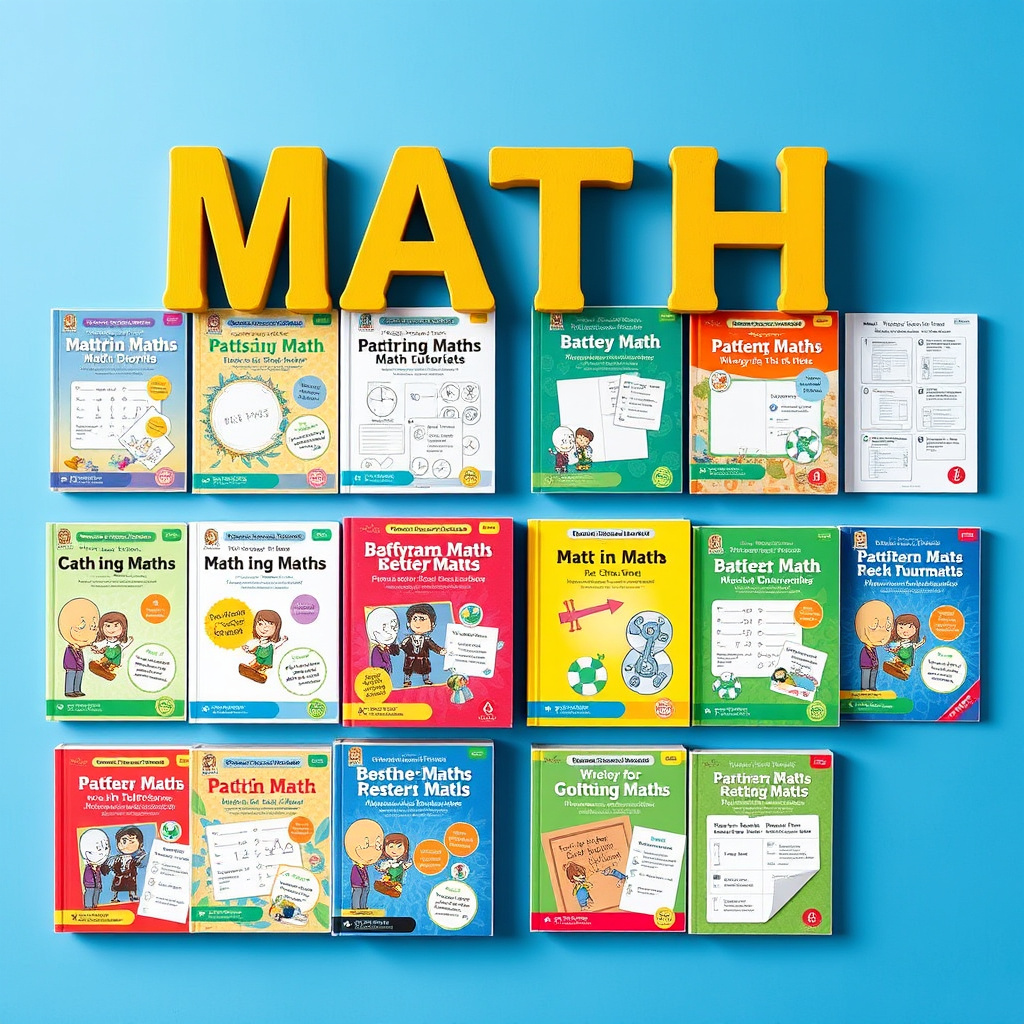
Recommended Textbooks and Workbooks
Textbooks that focus on clear explanations and graduated exercises, like those from reputable publishers, provide structured learning paths.
Workbooks with answer keys encourage independent practice and self-assessment, helping learners track progress.
- Algebra I textbooks for foundational concepts
- Practice workbooks with step solutions
- Supplementary exercises for additional practice
For more on this, see our related guide: How to Choose a Tutor for Struggling Students: A Practical Guide.
Online Tutorials and Interactive Platforms
Websites offering video lessons, quizzes, and forums allow learners to study flexibly and get help. Interactive platforms adapt to individual skill levels and provide feedback.
Using these tools complements traditional study and often makes algebra more engaging.
- Video tutorials explaining concepts visually
- Math practice websites with instant feedback
- Forums and communities for questions and support
Tracking Your Progress and Staying Motivated

Setting Realistic Goals and Milestones
Break learning into achievable targets like mastering specific topics or completing sets of problems. This helps maintain focus and measures growth.
Celebrate milestones to boost motivation and cultivate a positive attitude toward algebra.
- Short-term goals like solving linear equations
- Long-term goals such as preparing for tests
- Using progress trackers and journals
For a more detailed background and historical development, you can visit the algebra overview on Wikipedia. algebra overview on Wikipedia.
Building a Supportive Study Routine
Consistent study habits paired with peer or tutor support enhance retention. Allocate regular times for algebra practice and review material frequently.
Engaging with others to discuss problems and solutions broadens understanding and sustains interest.
- Daily or weekly dedicated study sessions
- Group study or tutoring options
- Periodic review of challenging concepts
Comparison of Algebra Learning Methods
Here’s a table comparing popular methods for learning algebra to help identify which suits your style and goals best.
| Method | Accessibility | Cost | Learning Style | Best For |
|---|---|---|---|---|
| Textbooks and Workbooks | Widely available in print and digital | Low to moderate | Self-paced reading and exercises | Structured learners who prefer offline study |
| Online Video Tutorials | Easily accessible via internet | Mostly free or subscription-based | Visual and auditory | Visual learners and beginners seeking explanations |
| Interactive Algebra Software | Requires computer or tablet | Varies from free to premium | Hands-on practice with immediate feedback | Engaged learners wanting interactivity |
| Private Tutoring | Availability depends on location | Higher cost | Personalized instruction | Students needing tailored guidance |
| Group Study or Classes | Usually local or online | Moderate | Collaborative learning | Social learners and exam prep |
Frequently Asked Questions
How long does it typically take to learn algebra?
The time to learn algebra varies widely depending on prior math skills and study habits, but with consistent practice, beginners can grasp basic concepts in a few months.
Is it necessary to memorize formulas in algebra?
Memorizing key formulas helps speed up problem solving, but understanding the reasoning behind them is more important for applying algebra effectively.
Can I learn algebra without a math background?
Yes, beginners without prior math experience can learn algebra by starting with foundational arithmetic and gradually building up skills through practice.
What are the best tools for practicing algebra problems?
Tools such as graphing calculators, algebra apps, and interactive websites offer excellent practice opportunities and instant feedback to reinforce learning.
How can real-life examples help with learning algebra?
Applying algebra to everyday problems like budgeting or distance calculations makes abstract concepts more concrete and motivates learners with practical relevance.
Key Takeaways
- Start with foundational concepts like variables and expressions
- Use step-by-step practice and visual tools to build understanding
- Be patient with mistakes and maintain regular study habits
- Utilize diverse resources including textbooks, online tutorials, and software
Conclusion
Learning algebra requires a clear focus on fundamental principles combined with persistent practice. Building skills incrementally, from understanding variables to solving complex equations, forms the basis for success. Rather than rushing, the emphasis should be on mastering one topic before moving to the next, ensuring solid comprehension at each step. This approach allows learners to develop confidence and reduces frustration when tackling challenging problems.
For those beginning their journey, textbooks and workbooks provide structured lessons and exercises, while online video tutorials and interactive platforms offer engaging visual and hands-on opportunities. If personalized help is necessary, private tutoring or group study can tailor instruction to individual needs. Applying algebra to real-life scenarios enhances relevance and motivates continuous learning. The right combination depends on your learning preferences, availability of resources, and specific goals.
Once your foundational algebra skills are in place, keep engaging regularly with practice problems and use progress tracking to stay motivated. Exploring additional resources and applying algebra in everyday questions will deepen understanding. Consider setting clear objectives like preparing for exams or competitions to guide study sessions. Algebra is a powerful tool that grows with you, so start with the basics, build steadily, and enjoy the journey toward mathematical fluency.