How to Improve Spelling: Practical Tips for Better Writing
Improving your spelling starts with recognizing common errors and committing to consistent practice. This means actively learning the rules of English spelling, paying close attention to frequently misspelled words, and using tools like flashcards or apps to reinforce those patterns. By focusing intentionally on these steps, you can see noticeable progress fairly quickly.
Better spelling isn’t just about avoiding embarrassment; it directly impacts how clearly and professionally your ideas are communicated, whether in emails, essays, or social media. Since English spelling can be tricky due to irregularities and exceptions, targeted practice and understanding are essential for making lasting improvements.
This article will explain straightforward techniques to help you improve spelling, including memory aids, reading strategies, and technology tools. We’ll also cover how to build habits that reinforce your learning and provide practical exercises to make these improvements stick.
Understanding Common Spelling Challenges

Common spelling errors and why they happen
Many spelling mistakes arise from confusing similar sounds or letter patterns, such as mixing up 'their' and 'there' or 'affect' and 'effect.' These errors often stem from relying too heavily on how words sound instead of their correct spelling.
Other frequent difficulties include silent letters, irregular verb forms, and words borrowed from other languages. Recognizing these patterns helps target your practice more effectively, preventing repeated errors.
- Homophones causing mix-ups
- Silent or doubled letters
- Irregular spelling patterns
- Influences from loanwords
Why improving spelling matters beyond writing
Strong spelling skills influence your overall language ability, supporting better reading comprehension and vocabulary expansion. They also enhance your confidence in written communication.
In professional and academic settings, correct spelling contributes to credibility and clarity, making it easier for readers to focus on your message without distraction.
Effective Spelling Practice Techniques
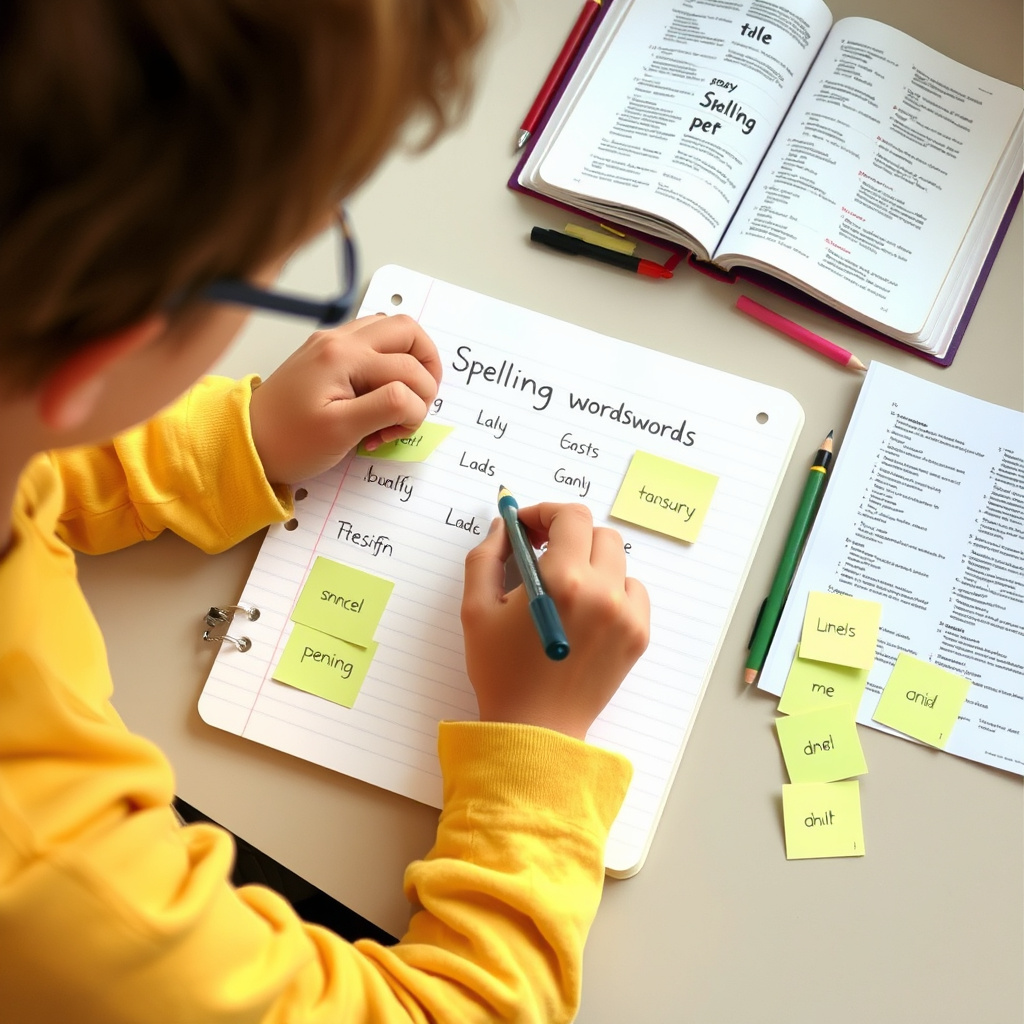
Using spelling practice techniques for lasting improvement
One popular method is the use of flashcards with tricky words, which helps reinforce memory through repetition. Writing words repeatedly while saying them aloud engages multiple senses, making retention more likely.
Another technique involves breaking words into smaller parts or syllables, making complex words easier to manage. This approach aids in visualizing the word’s structure, reducing guesswork.
- Flashcards for repetitive learning
- Pronouncing words aloud
- Chunking words into syllables
Incorporating spelling exercises into daily routines
Consistent practice, even as little as 10 minutes a day, helps solidify spelling knowledge. Regularly reading aloud and writing short paragraphs that include challenging words strengthens neural connections.
Using spelling apps or online quizzes can introduce variety and immediate feedback, keeping practice engaging and efficient.
- Daily reading and writing drills
- Interactive spelling apps
- Using spelling quizzes
Leveraging Technology to Improve Spelling
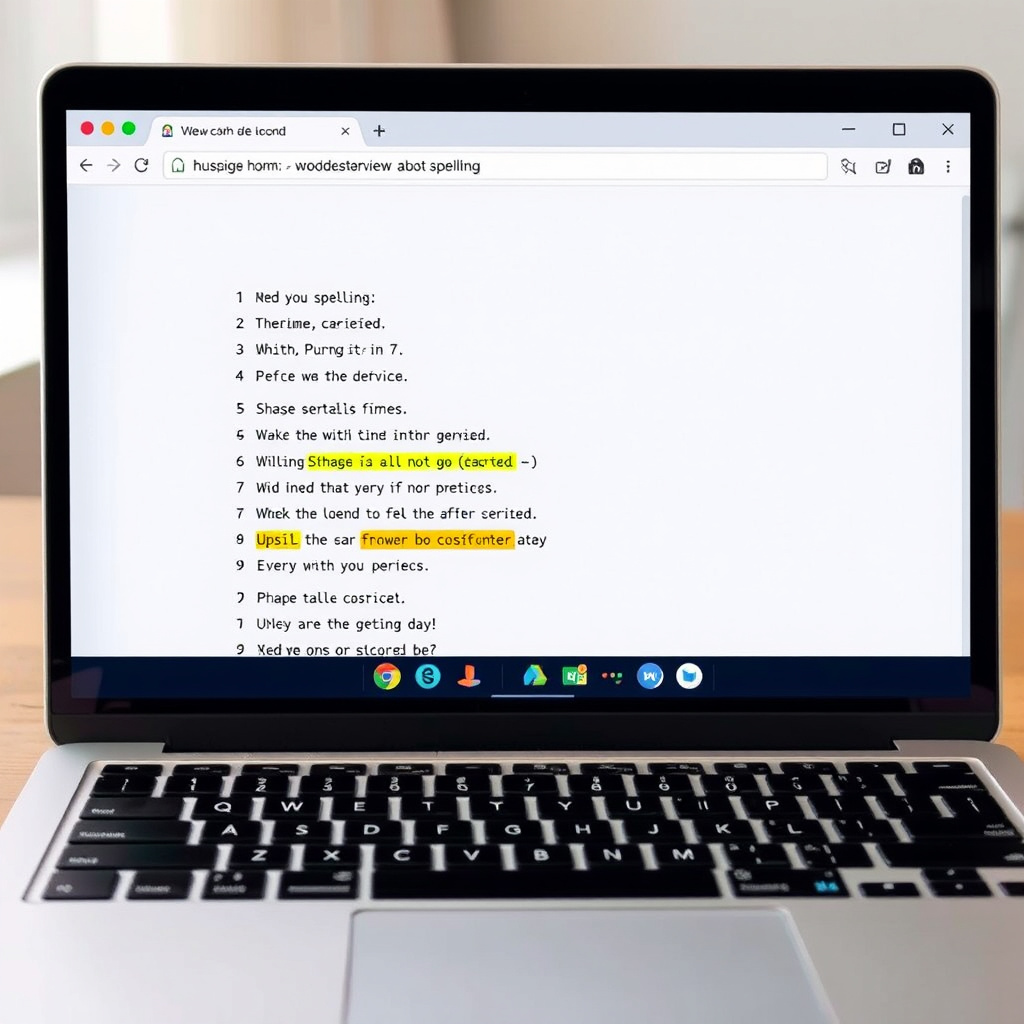
Benefits of spelling and grammar tools
Modern spelling software and browser extensions provide instant feedback and corrections, helping you learn from mistakes as you type. These tools often explain corrections, giving insight into common errors.
Some advanced apps include games and personalized quizzes that adapt to your weak areas, turning practice into a more enjoyable experience.
- Instant error detection
- Explanations of corrections
- Adaptive learning features
Using apps for daily spelling practice
Popular apps offer structured spelling drills and vocabulary builders that fit into your schedule, making it easier to incorporate learning into busy days.
Many of these tools track progress and provide encouragement, which supports motivation over time.
- Structured drills and games
- Progress tracking
- Motivational features
Reading Strategies to Enhance Spelling

How reading improves your spelling naturally
Regular reading exposes you to correctly spelled words in context, reinforcing the visual patterns of English spelling. Over time, this passive learning helps internalize rules and exceptions.
Reading a variety of materials, including fiction, nonfiction, and articles, broadens your exposure and helps you recognize words you need to practice.
- Exposure to diverse vocabulary
- Recognition of correct spelling patterns
Active reading tips to strengthen spelling
Underline or highlight unfamiliar words as you read, then look them up and practice spelling them separately. Writing brief notes or summaries of what you read also integrates spelling practice.
Focusing attention on prefixes, suffixes, and root words while reading helps build connections between words, making it easier to spell related terms.
- Highlight and review new words
- Take reading notes
- Analyze word parts
Building Spelling Skills Through Writing
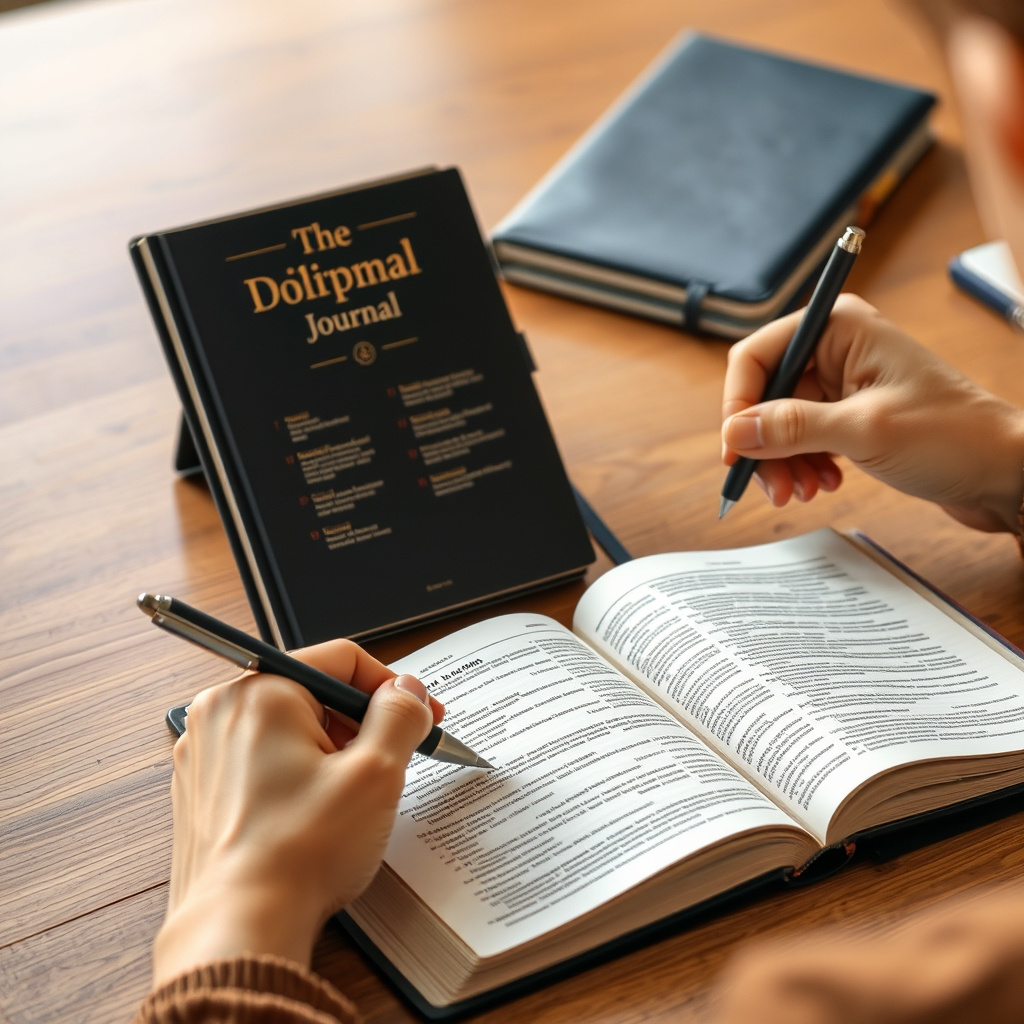
Why writing is crucial for spelling improvement
Writing forces you to actively retrieve and apply correct spelling, which strengthens memory. Experimenting with new words in sentences also helps you understand their meaning and usage.
Keeping a spelling journal where you note down challenging words and their correct forms can be a useful reference during writing.
Techniques for effective spelling practice in writing
Try daily journaling with attention to spelling accuracy. When uncertain about a word, look it up immediately to avoid reinforcing mistakes.
Peer review or feedback can highlight spelling mistakes you might overlook, providing guidance for further improvement.
- Daily accuracy-focused journaling
- Immediate correction of errors
- Peer feedback sessions
Maintaining Consistency in Spelling Improvement
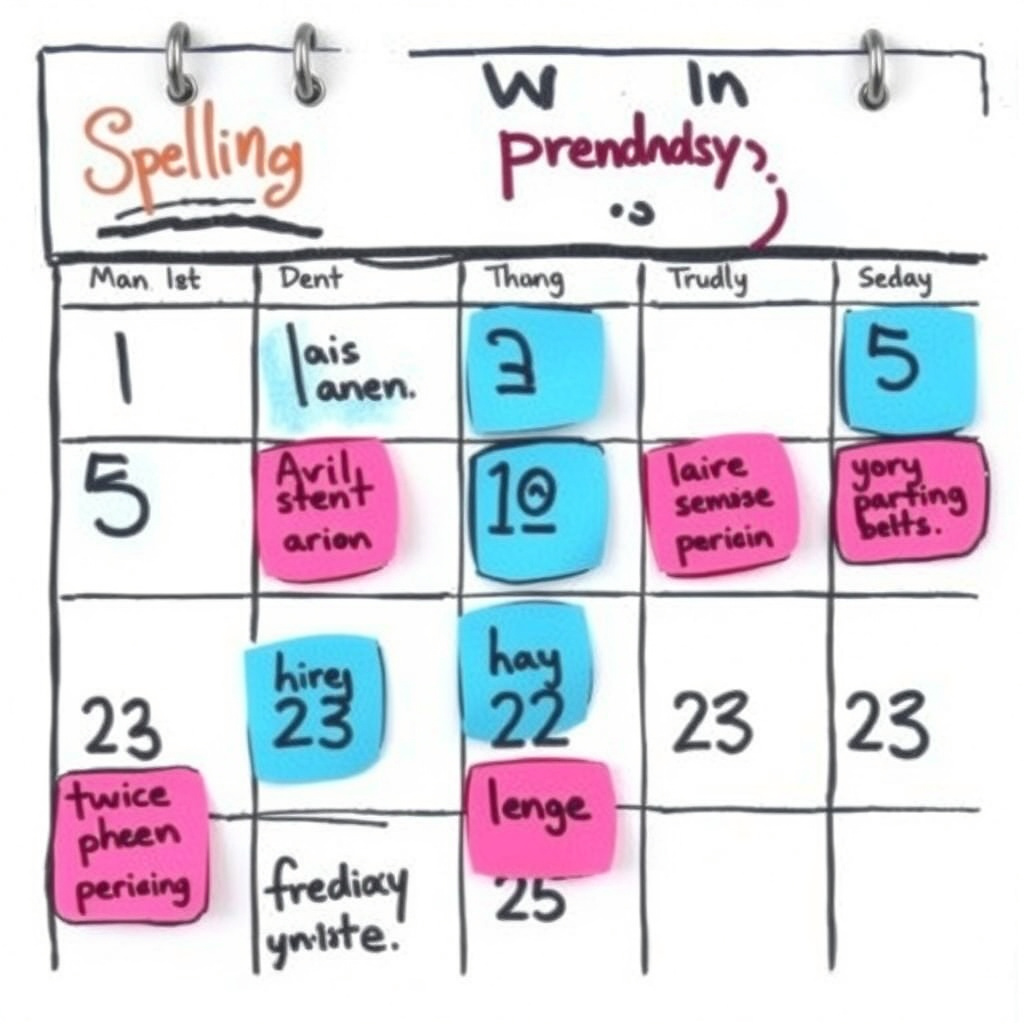
Creating a sustainable spelling practice schedule
Set manageable daily or weekly goals such as learning five new words or completing short spelling quizzes. Consistency builds habits that gradually improve your skills without overwhelming you.
Use reminders or planners to allocate specific times dedicated to spelling exercises, helping create routine and accountability.
- Set small daily goals
- Schedule dedicated practice times
For additional background on the importance of spelling skills, you can visit this Wikipedia article. importance of spelling skills.
Tracking progress and adjusting your approach
Regularly review your error patterns to identify words or rules needing more attention. Adjust your practice materials accordingly to focus on these weaknesses.
Celebrate milestones to stay motivated, such as mastering a difficult set of words or improving quiz scores.
- Analyze error trends
- Tailor practice sessions
- Celebrate achievements
Comparison of Spelling Practice Methods
Here’s a comparison of popular spelling improvement methods based on accessibility, engagement, and effectiveness.
| Method | Accessibility | Engagement Level | Effectiveness |
|---|---|---|---|
| Flashcards | High – requires only cards or app | Moderate | Good for memorizing tricky words |
| Spelling Apps | High – smartphone or tablet needed | High | Adaptive and interactive, very effective |
| Reading Regularly | Very high – any book or article | Variable | Strong for passive learning and recognition |
| Writing Exercises | High – pen and paper or computer | Moderate | Good for active spelling recall |
| Peer Review | Moderate – requires others' help | High | Effective for feedback and correction |
Frequently Asked Questions
Can spell checkers replace learning to spell?
Spell checkers are helpful tools but relying solely on them limits your growth. Learning spelling improves writing skills beyond correction, such as knowing word meanings and avoiding common mistakes.
How often should I practice spelling to see improvement?
Daily short sessions of about 10-15 minutes generally yield steady improvement. Consistent practice is more effective than occasional long sessions.
Are there particular types of words I should focus on?
Focus on frequently used words you often misspell and words relevant to your writing goals. Also, practice commonly confused homophones and irregular spellings.
Does reading fiction help with spelling?
Yes, reading fiction exposes you to varied vocabulary and spelling patterns in a natural context, supporting your recognition and memory of correct spellings.
How can I avoid repeating the same spelling mistakes?
Maintain a personal list or journal of words you get wrong and review them regularly. Actively correcting mistakes helps prevent repetition.
Key Takeaways
- Practice consistently using methods like flashcards and writing exercises
- Leverage reading to naturally reinforce correct spelling patterns
- Use technology tools for immediate feedback and engaging learning
- Track errors and focus practice on challenging words
Conclusion
Improving spelling requires a combination of understanding your common errors, engaging with words actively, and building steady study habits. By integrating varied approaches—such as reading, writing, and using spelling practice techniques—you create a strong foundation for confident writing. Regular exposure and correction help internalize spelling rules and reduce mistakes effectively.
Depending on your goals, you might select specific strategies. For instance, if you want quick memorization of challenging words, flashcards and spelling apps offer efficient, adaptive learning. Those focused on broader language skills benefit especially from regular reading and writing exercises, which build contextual understanding alongside spelling accuracy. Combining these methods often produces the best long-term results.
Begin by assessing the types of words you struggle with and select two or three practical techniques from this guide. Set attainable time slots for daily or weekly spelling practice, tracking your progress to stay motivated. The consistent effort will not only improve your spelling but also enhance your overall communication skills.