What Is Tutoring? A Clear Guide to Personalized Learning Support
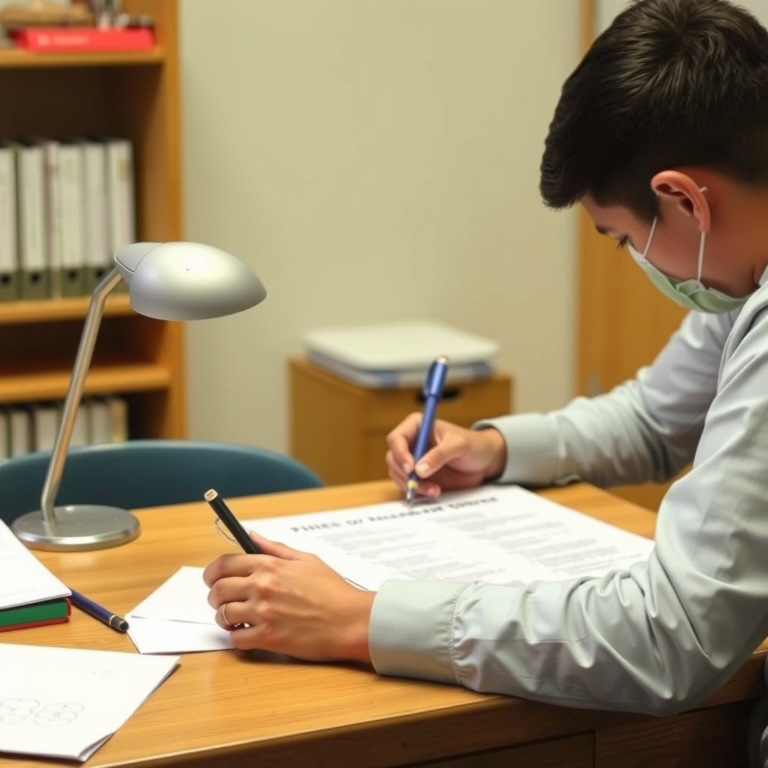
Tutoring is a personalized educational service where an expert or experienced individual provides one-on-one or small-group academic assistance to help learners improve understanding, skills, and performance in specific subjects. It offers tailored guidance beyond what students usually receive in classrooms.
This personalized support matters because it addresses individual learning gaps and styles, allowing learners to work at their own pace and focus intensively on challenging topics. Tutoring can increase motivation and build academic confidence by creating a safe space for questions and practice.
In this article, we’ll explain the different types of tutoring, the benefits and goals it offers, what to look for in a good tutor, and how tutoring compares to other educational supports. This will help you decide if tutoring is the right choice and identify the best options available.
Understanding the Core Purposes of Tutoring

Academic Skill Improvement through Tutoring
One of tutoring’s main goals is to strengthen academic skills where the learner struggles, whether that’s math problem-solving, essay writing, or language comprehension. Tutors identify specific weaknesses and design exercises that target those areas for improvement.
This targeted skill building can include reinforcing foundational concepts, providing extra practice, or teaching test-taking strategies, which helps students build competence and readiness for exams.
- Focus on individual learning gaps
- Practice with customized materials
- Build foundational knowledge
- Teach exam strategies
Boosting Confidence and Motivation
Beyond skills, tutoring nurtures learner confidence by giving continuous feedback and encouragement. This positive reinforcement allows students to feel more comfortable tackling challenging topics and increases their academic motivation.
Tutors often act as mentors, creating a supportive atmosphere that encourages questions and persistence — key drivers for ongoing learning and success.
Types of Tutoring Services Available

In-Person Tutoring Options
Traditional in-person tutoring provides face-to-face interaction, allowing for immediate feedback and customized explanations. It can take place at a tutor’s home, the student’s residence, tutoring centers, or schools.
The direct presence often helps build rapport and allows tutors to pick up on non-verbal cues, adjusting their teaching methods to suit the learner’s pace and mood.
- One-on-one or small group
- Personalized scheduling
- Direct social interaction
Online Tutoring Platforms
Online tutoring connects learners and tutors via video, chat, and interactive tools, offering convenience and access to a broad pool of experts regardless of location. Many platforms provide recordings, digital whiteboards, and instant messaging.
This format is especially flexible for busy students or those in remote areas, making tailored support widely accessible with just an internet connection.
- Flexible timing and locations
- Wide tutor selection
- Tech-enhanced learning tools
How Tutoring Works Compared to Other Learning Supports
Tutoring Versus Classroom Learning
Classroom environments cover broad curricula designed for many students at once, which limits individualized attention. Tutoring provides tailored support that zeroes in on specific difficulties and learning styles.
This one-on-one focus means tutors can adapt the pace, review content repeatedly, and clarify misunderstandings that may not get addressed in a crowded classroom setting.
For more on this, see our related guide: Affordable Tutoring in Doral FL: How to Find the Best Local Options.
Tutoring Compared to Academic Coaching
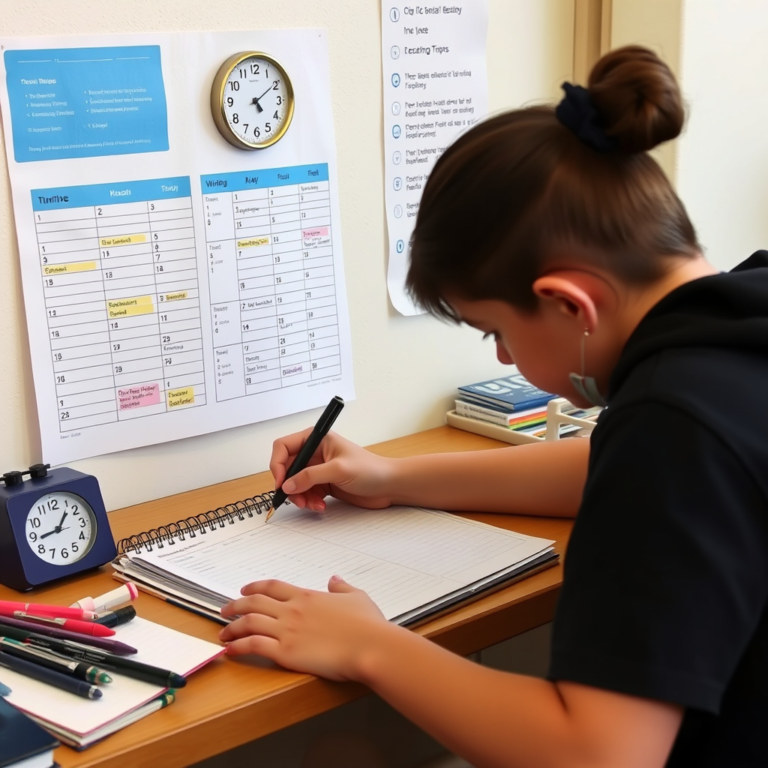
Academic coaching primarily focuses on study habits, time management, and motivation, while tutoring centers on understanding subject matter content. Both complement each other but serve distinct roles.
Combining tutoring and coaching may benefit students needing help with both knowledge acquisition and learning strategies.
Choosing the Right Tutor for Your Needs

Evaluating Tutor Qualifications and Experience
Look for tutors who have proven expertise in the subject being taught, such as degrees, certifications, or extensive tutoring history. Experience with the learner’s age group and academic level enhances effectiveness.
Reliability and communication skills are equally important—they help maintain a positive, productive tutoring relationship.
- Relevant educational background
- Subject-specific expertise
- Experience with similar learners
- Good communication
Considering Compatibility and Tutoring Style
Tutor and student personalities must mesh well for comfort and engagement during sessions. Some students prefer a more structured approach, others a casual, conversational style.
Trial sessions or consultations can help determine if a tutor’s teaching style aligns with the learner’s preferences and goals.
Measuring the Impact of Tutoring
Academic Performance Metrics
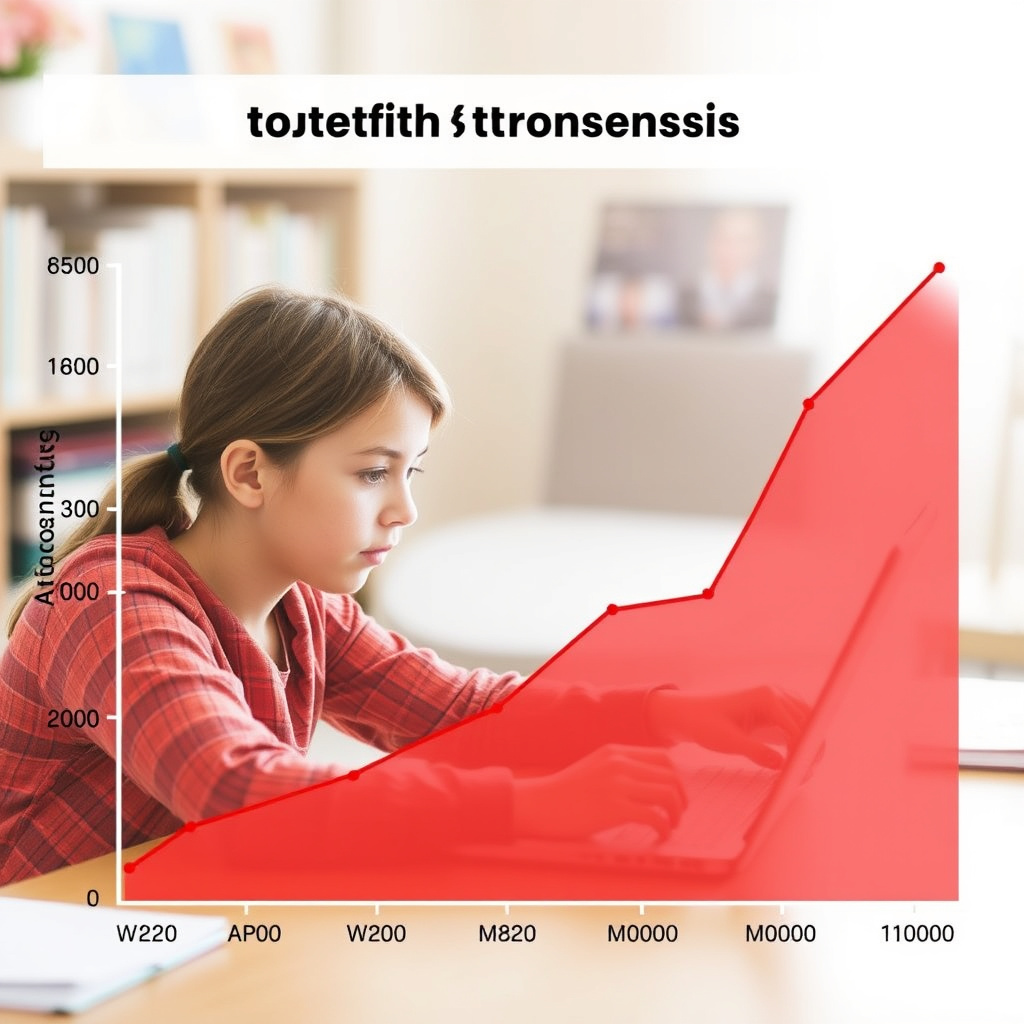
Tutoring effectiveness is often assessed via improvements in test scores, homework completion accuracy, and grade enhancements. These objective indicators show how well tutoring has helped the learner grasp and apply the material.
Some tutors also use diagnostic tests before and after sessions to track progress systematically.
- Test and quiz score improvements
- Homework and assignments quality
- Diagnostic assessments
For more on this, see our related guide: How to Find Effective One on One Tutoring in Doral FL.
Qualitative Feedback and Confidence Gains
Beyond numbers, student self-confidence, participation in class, and enthusiasm toward learning signal tutoring benefits. Feedback from students, parents, and teachers provides a fuller picture of tutoring’s impact.
Increased willingness to tackle difficult subjects and persistence when faced with academic challenges reflect positive changes.
Cost Considerations for Tutoring Services

Factors Influencing Tutoring Prices
Tutoring costs vary widely depending on tutor qualifications, subject complexity, session length, and frequency. Specialty subjects or test prep usually command higher rates compared to general homework help.
Location and format (in-person versus online) also affect pricing, with in-person sessions sometimes costing more due to travel and facilities.
- Tutor expertise and reputation
- Subject and session type
- Session duration and frequency
- Format and location
Budget-Friendly Tutoring Alternatives
For those on tighter budgets, group tutoring, peer tutoring, or free online resources are viable options. Some non-profit organizations and schools offer subsidized tutoring programs.
Choosing flexible scheduling or less frequent sessions can also make private tutoring more affordable while still providing benefits.
- Group and peer tutoring
- Scholarships or subsidized programs
- Online free resources
- Flexible scheduling
Maximizing Your Tutoring Experience

Setting Clear Goals and Expectations
Starting tutoring with specific, measurable goals guides sessions effectively and helps track progress. Being clear about problem topics, desired outcomes, and timelines enhances focus.
Regularly reviewing and adjusting these goals keeps the tutoring aligned with evolving needs.
- Define learning objectives
- Discuss outcomes with tutor
- Adjust goals periodically
For a thorough overview of tutoring's history and methods, consult the tutoring explanation on Wikipedia. tutoring explanation on Wikipedia.
Complementing Tutoring with Practice
Consistent effort outside tutoring sessions is key to reinforcing new skills. Practice assignments, reviewing notes, and applying strategies in class solidify gains made during tutoring.
Engagement between sessions accelerates mastery and confidence.
- Daily or weekly exercises
- Apply techniques independently
- Review tutor feedback
Comparison of Different Tutoring Approaches
Here is a quick comparison of various tutoring formats and how they differ in cost, interaction, convenience, and effectiveness.
| Tutoring Type | Cost Range per Hour | Interaction Level | Best for | Flexibility |
|---|---|---|---|---|
| In-Person Private | $40 – $100 | High face-to-face interaction | Personalized help, exam prep | Scheduled sessions, moderate flexibility |
| Online Private | $30 – $80 | Video and chat interactions | Remote access, flexible timing | Highly flexible scheduling |
| Group Tutoring | $15 – $40 | Moderate, small group interaction | Social learners, budget-conscious | Fixed session times |
| Peer Tutoring | Usually free or low-cost | Low to moderate | Homework help, practice | Usually school schedule dependent |
| Academic Coaching | $50 – $90 | One-on-one, focus on strategies | Study habits and motivation | Flexible sessions |
Frequently Asked Questions
How does tutoring help students with learning disabilities?
Tutoring offers personalized pacing and tailored strategies, which can directly address learning disabilities by focusing on individual strengths and weaknesses, enhancing understanding where traditional classrooms may struggle.
Is online tutoring as effective as in-person tutoring?
Online tutoring can be equally effective when it uses interactive tools and a skilled tutor. Its flexibility and access to experts often match or exceed in-person advantages, depending on the student’s learning preferences.
How often should a student have tutoring sessions?
The ideal frequency depends on the student's goals and challenges. Typically, one to two sessions per week provide time for practice and feedback without overwhelming the learner.
Can tutoring replace regular classroom education?
Tutoring is designed as supplementary support, not a replacement for classroom learning. It helps reinforce and clarify concepts taught in school but does not substitute the curriculum or social learning environment.
What qualifications should I look for in a tutor?
Look for tutors with subject expertise, relevant teaching credentials or experience, and strong communication skills. Compatibility with the student’s personality also plays a critical role.
Key Takeaways
- Tutoring provides personalized academic support tailored to individual learning gaps.
- Both in-person and online tutoring formats offer unique advantages.
- Choosing a tutor with the right expertise and compatible style improves outcomes.
- Regular practice and clear goals enhance tutoring effectiveness.
Conclusion
Choosing tutoring involves balancing personal learning needs, subject difficulty, and the mode of delivery. The core is finding a setting where a student feels supported and can focus on overcoming specific academic challenges. Understanding the various tutoring options and how they address knowledge gaps or study skills sets a solid foundation for an effective learning experience.
For students needing intensive help in complex subjects or test preparation, private one-on-one tutoring—either in-person or online—can provide the focused attention required. Those looking for more affordable options might explore group tutoring or peer programs. Combining tutoring with academic coaching can also benefit students who want to improve study habits alongside subject mastery.
If you’re considering tutoring, start by identifying your academic goals and preferred learning style. Test out sessions with potential tutors to find the right fit. With clear goals and consistent effort between lessons, tutoring can be a powerful tool to boost knowledge, confidence, and overall educational success.