What Does a Tutor Do? Understanding the Role and Impact of Tutors
A tutor helps students improve their understanding of specific subjects by providing personalized instruction tailored to individual learning needs. They clarify concepts, guide practice, and develop skills to boost academic performance effectively. Tutors assess students’ strengths and weaknesses to focus on areas that need improvement and create targeted lesson plans.
The role of a tutor matters because it offers students an opportunity to overcome challenges and build confidence in their studies. Unlike classroom teaching, tutoring allows one-on-one interaction, enabling customized pacing and attention that can adapt to different learning styles. This hands-on support can make a significant difference in how students absorb information and apply what they learn.
This article explores the main duties of a tutor, various tutoring methods, and how tutors contribute beyond academic content. We’ll delve into practical aspects such as assessment techniques, communication skills, and the ways tutors foster motivation and independent learning.
Core Responsibilities of a Tutor
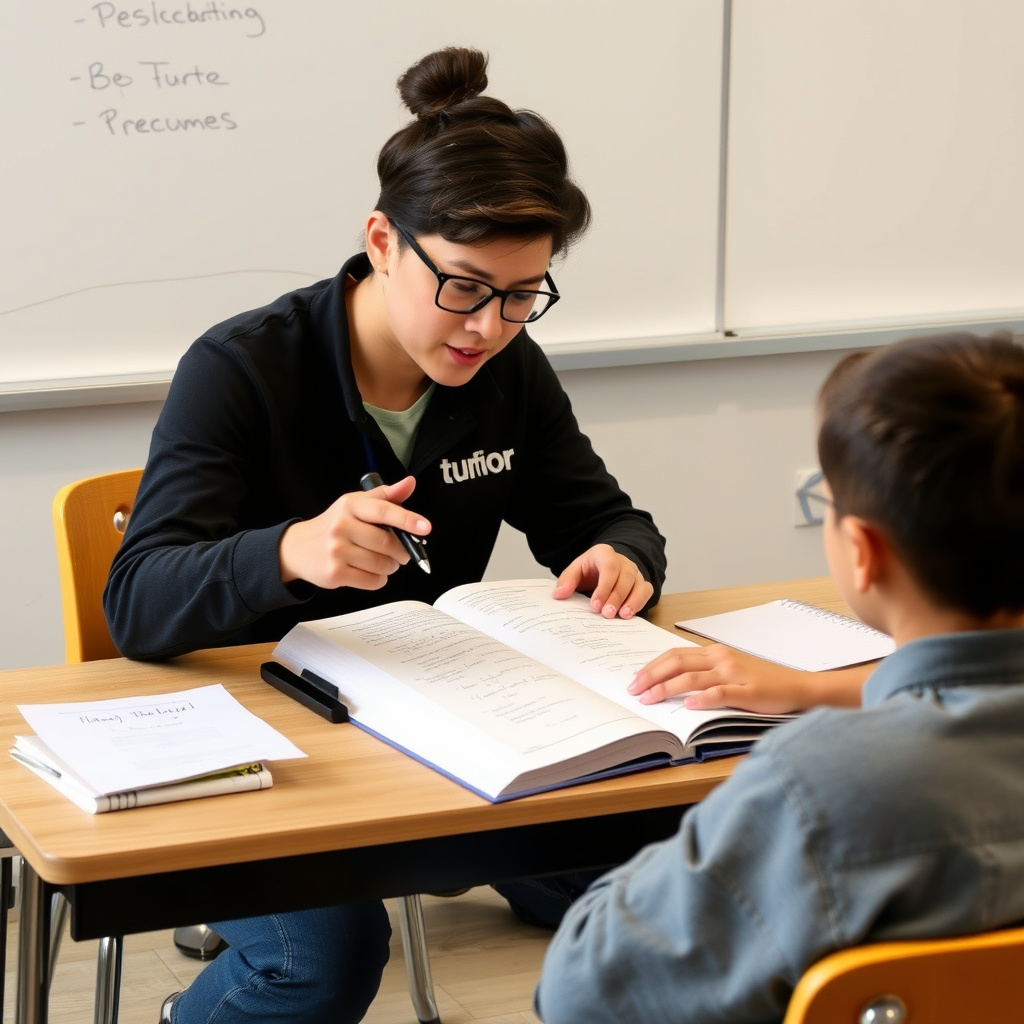
Subject Instruction and Clarification
Tutors provide detailed explanations of academic material, breaking down complex topics into manageable parts. Their job includes identifying where a student’s comprehension gaps lie and using examples, analogies, and questioning techniques to clarify misunderstandings.
This personalized pacing helps students grasp difficult concepts that may be briefly touched on or overlooked in classroom settings, enabling stronger subject mastery.
- Explain concepts using multiple examples
- Tailor sessions to each student's comprehension level
Assessment and Progress Monitoring
Tutors frequently assess students’ progress through practice exercises, quizzes, and informal questioning to measure comprehension and skill development. These assessments inform subsequent lesson focus and adjustments in tutoring methods.
Regular feedback allows both tutor and student to track improvements and quickly address any persistent learning difficulties.
- Design practice quizzes
- Provide detailed feedback on assignments
Teaching Strategies Used by Tutors

One-on-One Personalized Instruction
Personalized tutoring sessions allow tutors to adapt teaching styles to suit individual learning preferences, whether visual, auditory, or kinesthetic. Tutors adjust the pace and focus based specifically on the student’s unique challenges and progress.
This targeted method ensures efficient use of tutoring time and improves retention by directly addressing what the student needs most.
For more on this, see our related guide: How to Choose the Best Test Preparation Tutor in Doral FL for Effective Results.
Use of Reinforcement and Practice
Tutors emphasize repetition and active practice through exercises and problem-solving activities. This reinforcement consolidates knowledge and builds confidence.
Employing diverse resources like worksheets, online exercises, and real-world applications encourages students to engage deeply and practice independently between sessions.
Communication and Motivation Techniques

Building Positive Student-Tutor Relationships
Successful tutors develop trust and open communication with their students, creating a supportive learning environment. They listen actively and respond empathetically to challenges or frustrations.
This rapport encourages students to ask questions freely and stay motivated throughout their learning journey.
- Encourage questions
- Provide praise for effort and achievements
Goal Setting and Encouragement
Tutors help students set realistic, measurable goals and celebrate milestones to sustain motivation. Breaking down larger objectives into smaller tasks makes progress visible and manageable.
Such encouragement fosters self-confidence and a growth mindset, equipping students to become independent learners.
Administrative and Organizational Duties

Session Planning and Preparation
Tutors prepare lesson plans and resources in advance based on each student's needs and goals. Effective planning ensures productive sessions and continuity between meetings.
They often create or compile practice materials, customize examples, and adjust strategies to target specific skill gaps.
- Create tailored lesson plans
- Prepare practice materials
For more on this, see our related guide: How to Choose an Elementary Math Tutor in Doral FL for Your Child’s Success.
Record Keeping and Communication with Guardians
Maintaining accurate records of session content, student progress, and attendance is part of a tutor’s role. They may communicate updates and concerns to parents or guardians to keep them informed.
Consistent documentation supports transparent progress tracking and helps coordinate with other educators if necessary.
Impact of Tutors Beyond Academics

Developing Study Skills and Independence
Tutors teach strategies like note-taking, time management, and test preparation that benefit students beyond the immediate subject matter. Empowering students with these skills promotes lifelong learning habits.
Encouragement to adopt self-study and problem-solving techniques prepares students to tackle future academic challenges independently.
For additional insights, you can explore the tutoring overview on Wikipedia. tutoring overview on Wikipedia.
Boosting Confidence and Reducing Anxiety
Personalized tutoring helps reduce academic anxiety by building competence and providing a safe space to ask questions. This emotional support can improve overall attitudes toward learning.
Students often report increased self-esteem and motivation after gaining mastery through regular tutoring sessions.
Types of Tutoring and Their Benefits
This table compares common tutoring options, highlighting key features and ideal use cases to help you find the right fit.
| Tutoring Type | Instruction Mode | Cost Range | Ideal For |
|---|---|---|---|
| Private In-Person | Face-to-face | $$$ | Students needing personalized live interaction |
| Online Live Tutoring | Video calls | $$ | Remote learners with flexible schedules |
| Group Tutoring | Small groups | $ | Students who benefit from peer interaction |
| Peer Tutoring | Same-age peers | Free or low cost | Learners who thrive with relatable explanations |
| Drop-in Tutoring Centers | In-person drop by | $ | Students needing occasional short help |
Frequently Asked Questions
How does a tutor differ from a teacher?
A tutor provides individualized support focused on specific student needs, while a teacher manages a whole class with a fixed curriculum. Tutors often tailor lessons and pacing uniquely to each learner.
Can tutoring help improve study habits?
Yes, tutors not only teach subject content but also introduce effective study techniques, improving time management, organization, and independent learning skills.
How often should a student meet with a tutor?
Frequency depends on student needs and goals, but regular sessions weekly or biweekly are common to maintain steady progress without overwhelming the learner.
Is online tutoring as effective as in-person tutoring?
Online tutoring can be equally effective when using good communication tools and interactive methods, especially for students comfortable with digital platforms.
Do tutors help with test preparation?
Absolutely. Tutors create targeted reviews and practice tests to help students build confidence and perform well on exams.
Key Takeaways
- A tutor delivers personalized academic support tailored to student needs.
- Tutoring involves teaching, assessment, motivation, and organizational tasks.
- Effective tutors build strong relationships that encourage confidence.
- Tutoring promotes both content mastery and independent learning skills.
Conclusion
Evaluating what a tutor does reveals a multifaceted role that extends beyond teaching subject material. A tutor identifies and addresses individual learning gaps, provides ongoing assessment and feedback, and adapts strategies to each student’s unique needs. The tutor’s duties also include motivating students and teaching essential study habits, combining instructional, emotional, and organizational skills into one supportive package. Understanding these aspects clarifies why tutoring can be a powerful resource for academic improvement.
In practical terms, the best tutoring approach depends on the student’s learning style, goals, and circumstances. Private in-person sessions suit those needing personalized, direct interaction, while online live tutoring offers convenience with similar benefits. Group tutoring or peer-assisted study may enhance motivation and accountability through social learning. Routes like drop-in centers provide flexible help. Recognizing the strengths of these options allows families and learners to match tutoring services to their specific needs.
For those seeking tutoring, the next step is to identify subject areas requiring improvement and preferred learning formats. From there, researching local or online tutors who demonstrate the skills and rapport described here is key. Starting with trial sessions can help gauge fit and effectiveness. Ultimately, a tutor’s real value lies in fostering understanding, confidence, and independence, guiding students toward sustained academic success.