How to Remember What You Read: Effective Strategies for Better Retention
To remember what you read, actively engage with the material by using strategies such as previewing the content, annotating key points, summarizing information in your own words, and periodically reviewing notes. These habits help reinforce memory and deepen comprehension of the text.
Retaining information from reading matters because without proper techniques, content can easily slip away from memory shortly after finishing. Effective retention allows you to apply learned knowledge, build connections across subjects, and make reading a more productive part of your daily routine.
This article will outline several practical methods to improve your reading retention. We'll explore pre-reading preparation, annotation skills, visualization, spaced repetition, and other techniques that help reinforce memory and ensure you get the most from every book or article.
Preparing Your Mind Before Reading

Setting Reading Goals
Clear reading goals give your mind a specific purpose, which naturally improves focus and memory retention. Decide what you want to extract—whether it's understanding main ideas, learning facts, or analyzing arguments—before you start reading.
Goals also influence how deeply you process information. Skimming is enough for some goals, while others demand thorough note-taking and reflection. Aligning your approach to your objective optimizes retention.
- Define specific questions you hope to answer
- Determine the scope of the material you need to read
- Choose an appropriate reading speed based on your goal
Previewing the Material
Previewing involves surveying titles, headings, summaries, and graphics to create a mental scaffold of the text. This framework makes it easier to organize and remember information as you read.
This technique primes your brain to anticipate key concepts and relationships, reducing cognitive load and increasing the chances you’ll retain important points during a full read.
- Read the table of contents or chapter summaries
- Skim headings and subheadings
- Look over any charts, images, or captions
Active Reading Strategies to Enhance Retention

Annotating and Highlighting
Annotating transforms passive reading into an interactive process. Writing questions, comments, or underlining key phrases forces you to process ideas deeply, solidifying them in memory.
Highlighting selectively—focused on main points rather than whole paragraphs—helps visually mark important information, making review easier and more efficient.
- Use margin notes to capture thoughts
- Highlight sparingly to avoid clutter
- Mark confusing sections for later review
Summarizing Information
Creating summaries in your own words consolidates information and checks your understanding. This active recall process strengthens memory by requiring retrieval and synthesis.
You can write brief chapter summaries, talk through concepts aloud, or jot down key points after each reading session to embed ideas more firmly.
- Paraphrase main ideas without looking at the text
- Create bullet point lists of major concepts
- Explain content to a study partner or aloud
Using Visualization and Memory Aids
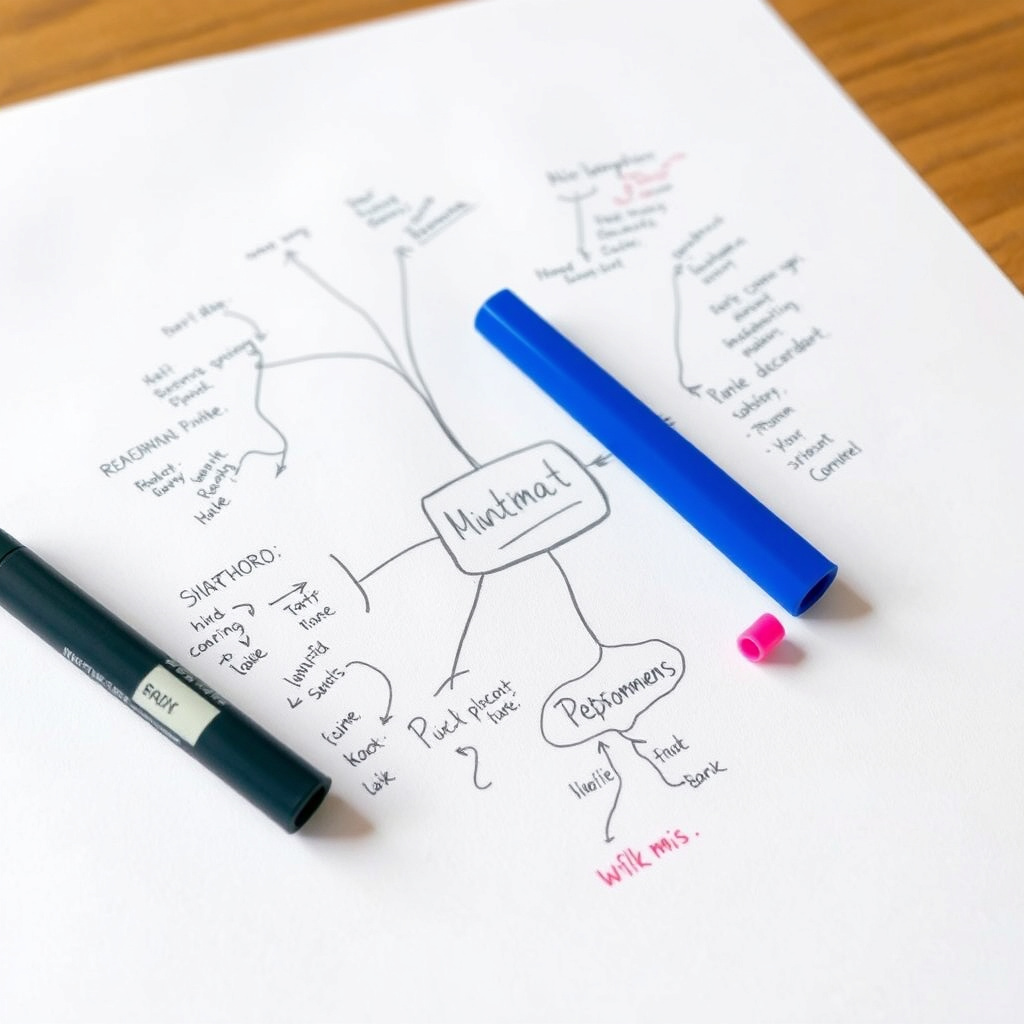
Creating Mind Maps and Diagrams
Visual tools like mind maps help organize complex information by showing relationships and hierarchies between ideas. This spatial representation can make content easier to recall and understand.
Mapping out chapters or key points allows your brain to build mental anchors, making retrieval of detailed information smoother and faster.
- Start with a central idea and branch out
- Use colors or symbols for categories
- Update maps as your understanding evolves
Using Mnemonic Devices
Mnemonics create memorable associations using acronyms, rhymes, or vivid imagery. They can aid retention of lists, sequences, or key facts by linking new information to memorable cues.
Applying mnemonics creatively to your reading material adds a layer of cognitive hooks that enhances long-term memory.
- Develop acronyms from initial letters
- Visualize bizarre or exaggerated images
- Use rhymes or rhythm to encode facts
Review and Reinforcement Techniques
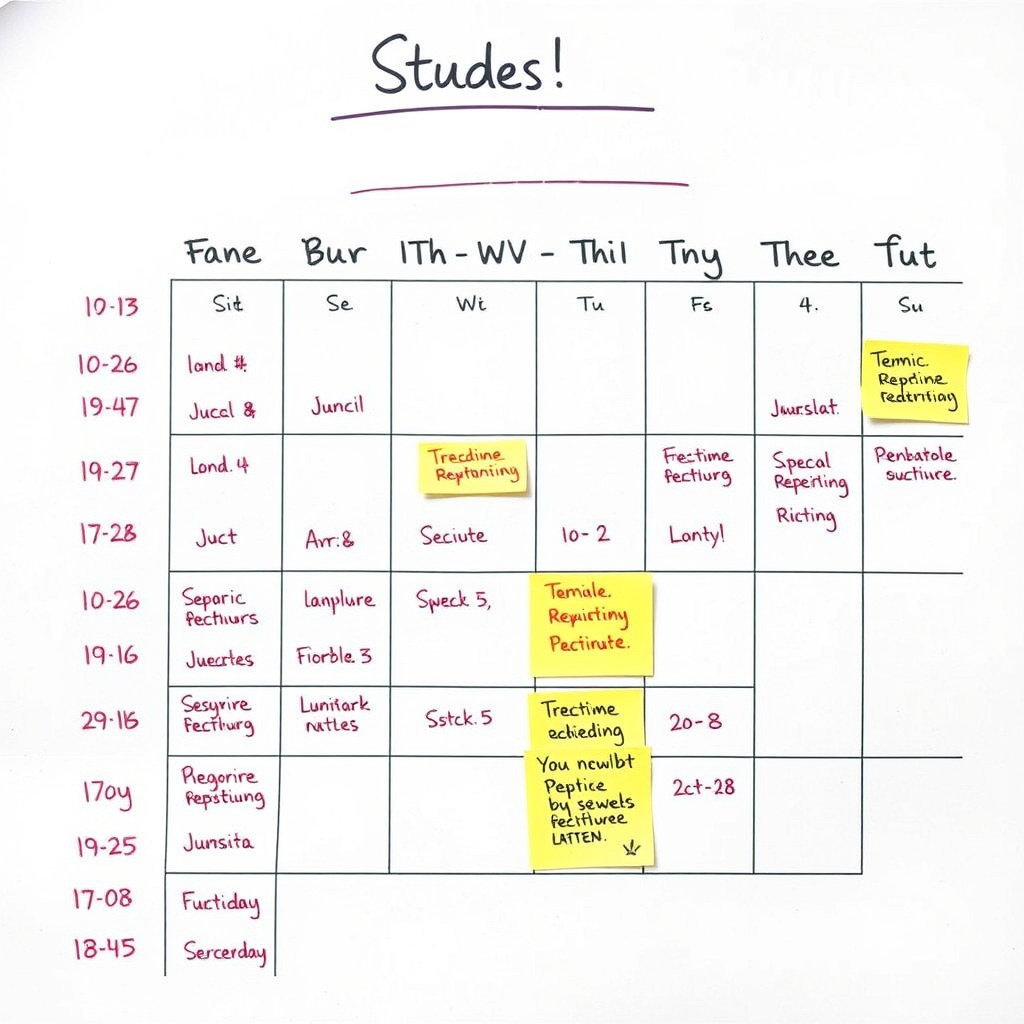
Spaced Repetition
Spaced repetition involves reviewing information at increasing intervals to strengthen neural connections and prevent forgetting. Revisiting material multiple times over days or weeks dramatically improves retention.
Scheduling regular review sessions aligned to optimal intervals helps embed reading content in long-term memory rather than letting it fade after a first read.
- Review key points after one day, then a week
- Use flashcards or digital apps for reminders
- Adjust intervals based on how well you recall
Self-Testing
Testing yourself on what you've read forces active recall, which is one of the strongest ways to boost memory. Quizzing can involve answering questions, solving problems, or reconstructing ideas from memory.
Regular self-testing highlights weak areas and reinforces learning, encouraging deeper engagement than rereading alone.
- Create practice questions or use book-end quizzes
- Explain concepts without notes
- Use flashcards to quiz definitions or dates
Creating the Ideal Reading Environment

Minimizing Distractions
Focus and retention are strongly impacted by your environment. Choosing a quiet area free from interruptions lets your brain allocate full attention to reading material.
Turn off electronic notifications, set specific reading times, and create a comfortable space to encourage consistent concentration during study sessions.
- Find a place with limited noise
- Use headphones or ambient sounds if helpful
- Put phone on silent or airplane mode
Regulating Reading Sessions Length
Reading for prolonged periods without breaks reduces focus and memory. Short, focused sessions with planned intervals help maintain mental sharpness.
The Pomodoro technique—25 minutes reading followed by a 5-minute break—is effective for maximizing retention without fatigue.
- Set timers for reading and breaks
- Stand up and stretch during breaks
- Avoid multitasking when resuming reading
Applying What You Have Read

Teaching Others
Explaining reading content to someone else helps clarify your understanding and reinforces memory by turning passive knowledge into active communication.
It exposes gaps in comprehension and prompts you to organize thoughts logically, which further strengthens retention.
- Summarize topics for friends or classmates
- Discuss key ideas in study groups
- Use blogs or social media to share insights
For additional background on cognitive methods related to memory and retention, check out Learning Techniques on Wikipedia. Learning Techniques on Wikipedia.
Practical Application
Applying concepts to real-life situations anchors ideas in practical contexts, boosting recall and relevance. This might include using techniques at work or incorporating theories into projects.
Making reading actionable changes your relationship with the material from abstract to functional, helping retention remain long-term.
- Try out problem-solving methods learned
- Incorporate tips into daily routines
- Use case studies or examples from the text
Comparison of Key Reading Retention Techniques
Here’s a quick overview comparing popular methods to help you identify what suits your style and reading goals.
| Technique | Ease of Use | Effectiveness | Best For |
|---|---|---|---|
| Previewing Material | Easy | Moderate | Quick comprehension and scanning |
| Annotation & Highlighting | Moderate | High | Detailed study and deep reading |
| Mnemonics | Moderate | High | Memorizing lists and facts |
| Spaced Repetition | Moderate | Very High | Long-term memorization |
| Self-Testing | Moderate | High | Active recall and comprehension |
Frequently Asked Questions
How often should I review reading material to remember it?
Reviewing material shortly after reading, then again after one day and one week, supports strong long-term retention. Spaced repetition helps optimize these intervals.
Is highlighting enough to remember what I read?
Highlighting alone is usually insufficient for deep retention. Combining it with active annotation or summarizing improves memory significantly.
Can summarizing help with understanding complex topics?
Yes, summarizing forces you to reformulate concepts in your own words, which strengthens understanding and highlights areas needing clarification.
What environment is best for reading retention?
A quiet and comfortable space free from interruptions enhances focus and memory. Minimal distractions are key for effective reading sessions.
How does teaching others improve my memory of what I read?
Teaching requires organizing and expressing knowledge actively, reinforcing memory and revealing any gaps in your understanding.
Key Takeaways
- Active engagement with reading material improves memory retention.
- Previewing and setting goals prepare your mind for effective reading.
- Reviewing with spaced repetition strengthens long-term retention.
- Applying and teaching knowledge deepens understanding and recall.
Conclusion
Improving your ability to remember what you read depends largely on how you interact with the material before, during, and after reading. Approaching reading as an active process with clear goals, annotation, and self-testing increases comprehension and memory. Techniques like spaced repetition and mnemonics build strong neural pathways that make recall easier over time. Ultimately, creating habits that integrate these strategies encourages lifelong learning and skill acquisition.
For practical everyday use, start by previewing material to frame your understanding, then annotate selectively to highlight key points. Summarize chapters in your own words and schedule regular review sessions to reinforce retention. If you need quick recall of facts, mnemonics combined with spaced repetition is helpful. For deeper understanding and application, teaching others and applying knowledge in real life bring concepts into clearer focus and solidify long-term memory.
The next step in enhancing reading retention is to experiment with these strategies to find your preferred mix. Begin with setting clear goals and previewing your next book or article. Integrate annotation and self-testing consistently and track your progress with spaced reviews. Over time, these practices will transform how much you remember and how effectively you use what you read.