How to Help a Child with Homework Without Taking Over
Helping a child with homework effectively means guiding them to understand the task and develop their own problem-solving skills, rather than simply providing answers. This approach fosters learning and builds confidence for future assignments. Offering support includes setting a structured environment, encouraging focus, and answering questions without doing the work for them.
Many parents struggle between wanting to help and fearing they might undermine their child's independence. Homework is a key extension of classroom learning, so your involvement can reinforce good habits and clarify concepts if balanced with promoting autonomy. This makes the process productive rather than overwhelming or discouraging for the child.
This article will outline practical ways to help a child with homework, including creating an effective workspace, time management, communication techniques, and strategies tailored to different learning styles and subjects. We will also cover how to recognize when extra help is needed and ways to encourage self-motivation.
Creating a Productive Homework Environment

Setting Up a Dedicated Study Space
A designated homework area away from distractions like TV or noisy siblings can improve concentration. This space should be well-lit, have all necessary supplies within reach, and be comfortable but not so relaxing that it encourages drowsiness.
Consistency matters: having a routine spot signals to the child that this area is specially for learning. Personalizing it with school materials and motivational posters can also boost engagement and ownership of the homework process.
- Use a desk or table with a comfortable chair
- Provide good lighting, natural if possible
- Keep supplies organized and accessible
- Minimize distractions (e.g. no phones or games)
Establishing a Regular Homework Routine
Setting a consistent time for homework helps the child develop discipline and reduces procrastination. This routine should fit the family’s schedule but also allow for breaks to avoid burnout. Starting with easier tasks can build momentum.
Encouraging the child to plan weekly assignments can develop time management skills. For younger children, a visual schedule or checklist can make this process clear and rewarding as items get crossed off.
- Choose a specific time daily for homework
- Allow short breaks for longer sessions
- Use planners or checklists for accountability
Effective Communication Techniques During Homework

Asking Guiding Questions Instead of Giving Answers
Instead of providing solutions, ask questions that lead the child to think critically about the problem. For example, "What do you think this question is asking?" or "How have you tried to solve it so far?" prompts reflection without handing over the answer.
This method teaches problem-solving and reinforces understanding, helping children internalize concepts instead of memorizing answers. It also encourages a growth mindset by showing that effort and thinking are valuable.
- Use open-ended questions to stimulate thinking
- Encourage the child to explain their reasoning
- Praise attempts and process, not just correct answers
For more on this, see our related guide: How to Get Effective Math Homework Help Fast and Easily.
Balancing Support and Independence
Providing just enough help to keep the child moving forward without doing the work for them is a delicate balance. If the child gets stuck, offer hints or examples but let them carry out the steps. Recognizing when to step back helps build confidence.
Sometimes, simply listening as the child talks through the assignment can aid clarity without direct assistance. Pair this with encouraging phrases like 'You’re doing great' to maintain motivation.
- Offer hints, not solutions
- Let the child try first before intervening
- Encourage self-correction and reflection
Adapting Homework Help to Different Subjects and Learning Styles
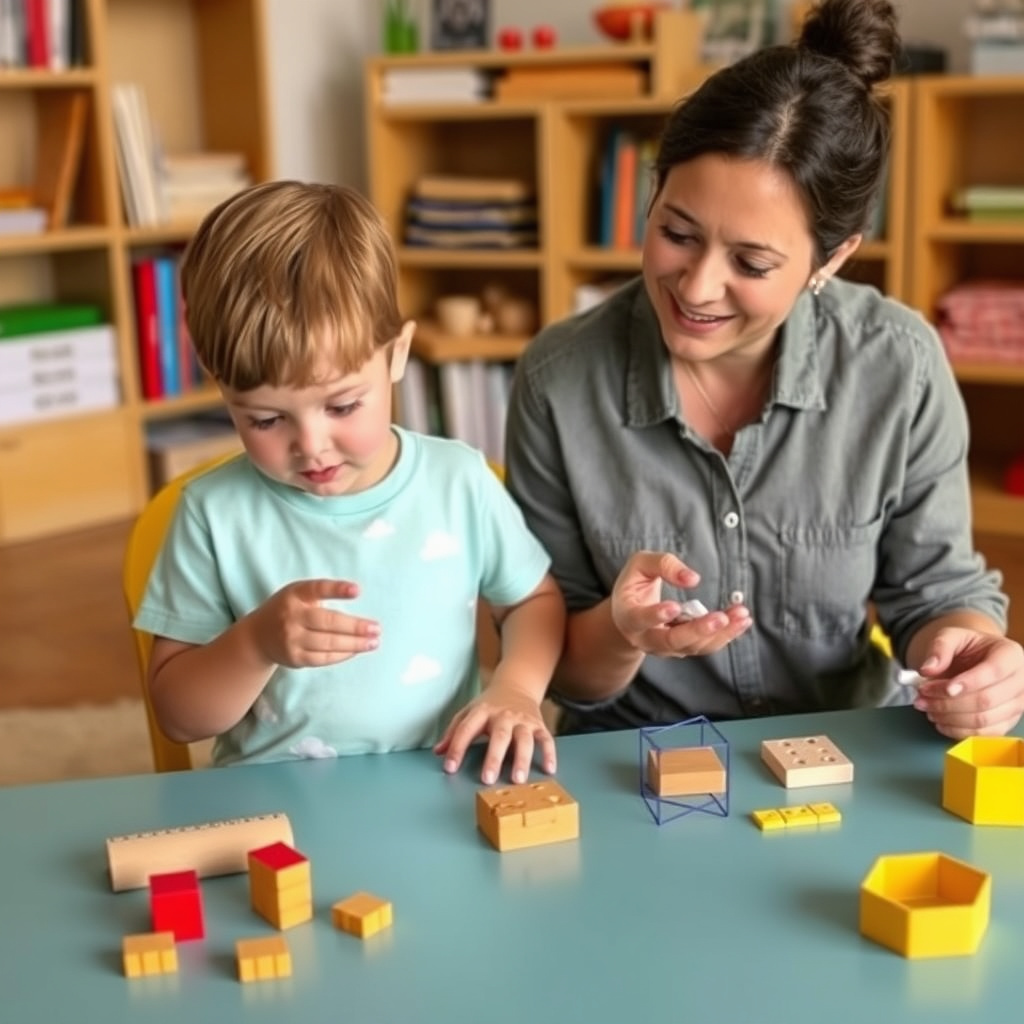
Supporting Math and Science Homework
In subjects like math and science, using practical examples or visual aids such as blocks or drawings can make abstract concepts clearer. Encourage step-by-step problem solving to build logical thinking.
Checking the child’s understanding of each step before moving on prevents gaps in knowledge. If a concept remains difficult, online tutorials or apps focused on these subjects can provide additional support.
- Use visual or tactile tools to illustrate problems
- Break problems into smaller steps
- Supplement with target-focused digital resources
Enhancing Language Arts and Reading Assignments
For reading or writing tasks, reading aloud together can improve comprehension and fluency. Discussing the story or prompt encourages critical thinking and vocabulary growth.
Helping the child outline ideas before writing or providing examples of good sentences can scaffold their writing skills. Encourage brainstorming sessions where the child shares thoughts freely before organizing them.
- Read stories aloud and discuss themes
- Use graphic organizers for writing
- Practice vocabulary with fun activities
Time Management and Motivational Techniques

Using Timers and Breaks to Maintain Focus
Techniques like the Pomodoro Method, where work is broken into intervals with short breaks, can enhance attention spans, especially for younger children. Timers help make abstract time feel manageable and structured.
During breaks, encourage physical movement or relaxation to recharge mentally. This helps sustain energy and prevents frustration during longer homework sessions.
- Set timers for 20-30 minute work periods
- Schedule 5-10 minute breaks between intervals
- Choose relaxing activities during breaks
For more on this, see our related guide: Effective Homework Help Tips for Students in Doral FL.
Incentivizing Homework Completion
Positive reinforcement like small rewards or praise improves motivation. Rewards don’t have to be material — verbal encouragement or extra playtime can be very effective. Goal-setting with the child makes these rewards meaningful.
Avoid punishment-based motivation as it can create negative associations with learning. Instead, focus on consistent acknowledgment of effort and achievements to build lasting self-discipline.
- Create achievable goals with the child
- Offer praise and celebrate progress
- Use non-material rewards to keep motivation high
Recognizing When to Seek Additional Help

Signs That Professional Tutoring Might Be Needed
If homework regularly causes frustration, confusion, or prolonged avoidance despite support, extra help might be necessary. Learning difficulties, gaps, or attention issues can interfere with homework completion.
Professional tutors or educational specialists can target specific challenges with personalized strategies that parents might not be trained for. Early intervention can improve confidence and academic outcomes.
- Frequent homework refusal or tears
- Consistent poor performance despite help
- Inability to focus for reasonable periods
For additional expert advice on assisting children with homework, see helpful tips available on Edutopia. homework guidance on Edutopia.
Communicating with Teachers for Support
Open dialogue with the child’s teacher offers insights into classroom performance and suggestions for homework support. Teachers may recommend resources or adjustments tailored to the child’s needs.
Regular updates with teachers also help track progress and spot issues early, making homework a collaborative effort between home and school.
- Schedule meetings or send emails when concerned
- Ask about additional resources or accommodations
- Share observations about homework struggles
Types of Homework Support Compared
Here’s a clear comparison of common homework support types to help decide which fits your child’s needs best.
| Support Type | Level of Parent Involvement | Cost | Effectiveness for Independent Learning |
|---|---|---|---|
| Direct Parent Assistance | High | Low | Moderate |
| Professional Tutoring | Low | High | High |
| Peer Study Groups | Variable | Low | High |
| Online Educational Tools | Low to Medium | Free to Moderate | Moderate |
Frequently Asked Questions
How much should I help with my child's homework?
Provide guidance and encouragement without giving answers. Help them think through problems and develop skills, but let them complete the work independently to build confidence.
What if my child refuses to do homework?
Try establishing a consistent routine and a supportive environment. Discuss any frustrations to identify causes, and consider breaking tasks into smaller, manageable parts to make homework less overwhelming.
When is it appropriate to seek outside tutoring?
If your child consistently struggles or avoids homework despite support, or shows signs of learning difficulties, professional tutoring can provide targeted help to overcome challenges.
How can I motivate my child to complete homework regularly?
Use positive reinforcement like praise and small rewards. Set clear goals together, and keep sessions focused and well-timed with breaks to maintain motivation.
Are online tools effective for homework support?
Yes, many online resources can reinforce learning and provide practice, especially in subjects like math and reading. They should be used as supplements to parental or teacher support.
Key Takeaways
- Create a distraction-free, consistent homework space and routine
- Use guiding questions to foster independent thinking, not answers
- Adapt homework help techniques to the child's subjects and learning style
- Seek additional professional support if homework challenges persist
Conclusion
Helping a child with homework requires striking a balance between offering support and encouraging self-reliance. Successful homework help focuses on creating a structured environment and using communication strategies that promote the child’s own problem-solving skills. Recognizing when to step in and when to let your child take the lead shapes a positive homework experience that builds academic confidence.
Depending on the child’s age, subject difficulty, and learning style, different approaches work best. For example, parents might focus on establishing routines and guiding homework in early grades, while middle schoolers benefit from time management techniques and subject-specific strategies like visual aids for math. If regular homework difficulties arise, seeking assistance from professional tutors or collaborating with teachers can provide targeted support tailored to the child’s needs.
The next step is to observe how your child responds to various support techniques described here, adjusting your involvement accordingly. Encourage open communication about their homework experience and stay proactive in addressing struggles. A thoughtful, adaptive approach helps children develop homework independence and lays the groundwork for academic success.