How to Improve Test Taking Skills for Better Exam Performance
Improving test taking skills involves mastering time management, understanding question patterns, and developing strong preparation habits. By focusing on these areas, you can confidently approach any exam and enhance your overall performance. This article will guide you step-by-step on how to improve test taking skills quickly and efficiently.
Test taking can be stressful and challenging, but with the right mindset and techniques, you can significantly reduce anxiety and improve your ability to recall information. Better test taking skills not only increase your scores but also help you retain knowledge for long-term success in academics and professional exams.
We will explore key areas such as preparation routines, in-exam tactics, and stress management that collectively help you sharpen your test taking skills. Additionally, we will compare different approaches and tackle frequently asked questions, ensuring you have a well-rounded understanding of how to enhance your exam results.
Preparing Effectively for Tests
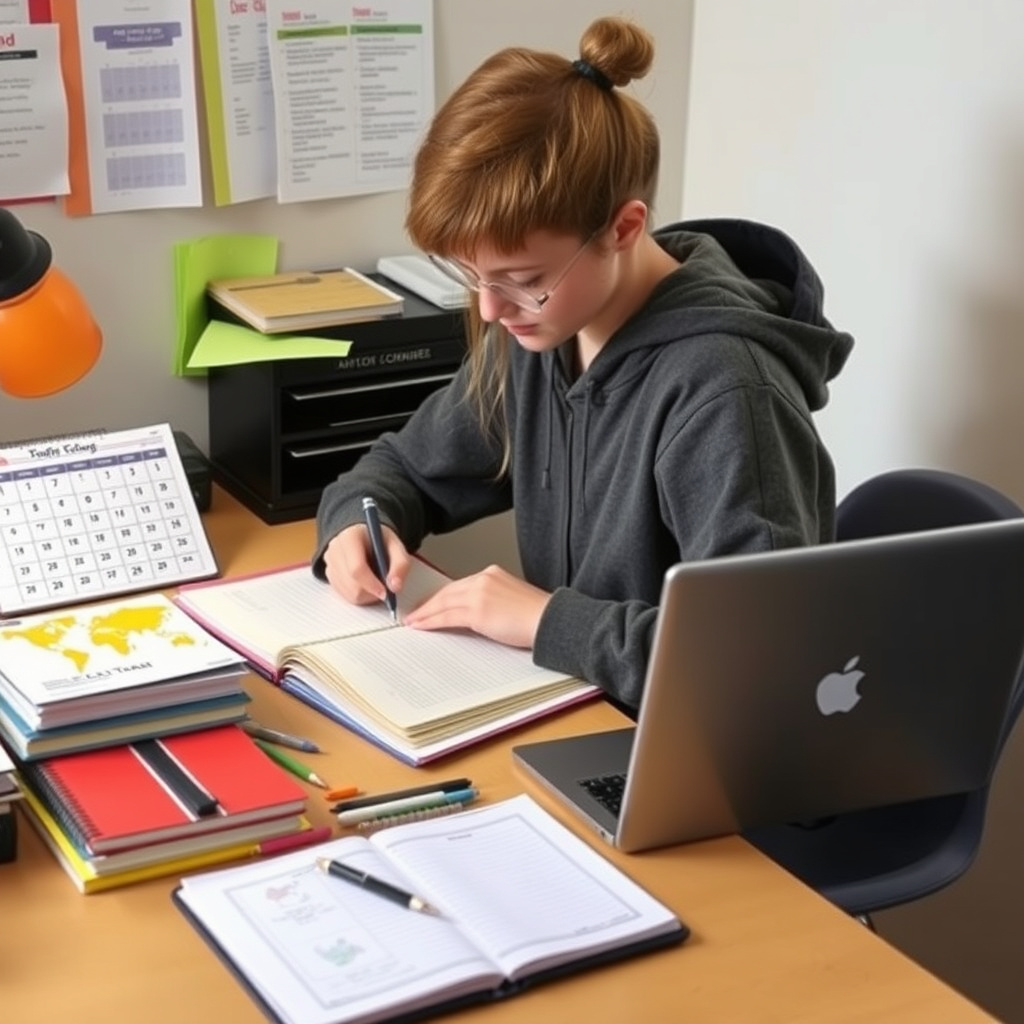
Developing a Study Schedule
One of the most effective ways to improve test taking is by creating a consistent study schedule that breaks down material into manageable chunks over time. Spreading out study sessions allows your brain to process and retain information better than last-minute cramming.
Start by identifying exam dates and working backwards to allocate regular study periods for each subject. Incorporate short breaks to avoid burnout and use active recall and spaced repetition techniques to maximize memory retention.
- Set realistic daily goals
- Use a planner or digital calendar
- Include review sessions before the test
Utilizing Practice Tests
Practice tests simulate the actual exam environment, helping you become familiar with question formats and time constraints. Regularly doing practice exams can reveal your strengths and highlight topics needing further review.
Time yourself strictly during practice to build pacing skills. After completing a test, thoroughly analyze your errors and unclear concepts to directly improve your understanding and prevent repeat mistakes.
- Get tests from textbooks or online sources
- Review correct and incorrect answers carefully
- Practice under timed conditions
Mastering Time Management During Exams

Allocating Time per Question
During the exam, divide your available time based on the number and difficulty level of questions. Prioritize answering questions you are confident about first to secure those points early on.
Mark harder or time-consuming questions to revisit later. Keeping track of your pace prevents spending too long on any single item which could compromise completion of the full exam.
- Calculate average time per question before starting
- Skip and return to difficult questions
- Use remaining time to review answers
For more on this, see our related guide: How to Choose the Best Test Preparation Tutor in Doral FL for Effective Results.
Avoiding Time Pitfalls
Common time pitfalls include getting stuck on a tricky question or rushing through easy ones. Awareness of these traps is essential. Stay calm and keep an eye on the clock periodically to adjust your speed accordingly.
If you’re running behind, speed up slightly but avoid careless mistakes. Building this awareness through timed practice tests also improves your time management confidence during real exams.
Enhancing Focus and Reducing Anxiety

Techniques to Improve Concentration
Maintaining focus throughout a test is challenging but essential. Strategies like mindfulness, deep breathing, and mini mental breaks can help you stay present and reduce distractions.
Before starting the exam, take a few slow, deep breaths to center yourself. If your mind drifts during the test, briefly close your eyes or stretch subtly. Mental endurance improves with these simple habits.
- Practice meditation regularly
- Use grounding techniques when distracted
- Stay hydrated and maintain good posture
Managing Test Anxiety
Test anxiety can impair thinking and recall. To manage it, adopt a positive mindset by visualizing success and reminding yourself of preparation efforts. Incorporate relaxation exercises in your routine to lower stress levels.
Arriving early to the exam room and avoiding last-minute cramming also minimize anxiety. If anxiety persists, techniques like progressive muscle relaxation or consulting a counselor may be helpful.
Applying Effective Test Taking Strategies

Decoding Different Question Types
Understanding the command each question type requires can boost your accuracy. For example, multiple-choice questions often test recognition, while essay questions assess synthesis and reasoning.
Carefully read instructions and identify keywords to guide your response. For multiple-choice questions, eliminate clearly wrong answers first. For essays, plan your response briefly before writing to organize your thoughts.
- Underline important instructions
- Use process of elimination
- Structure essay answers with clear introduction and conclusion
For more on this, see our related guide: How to Choose a Reading Comprehension Tutor That Boosts Your Skills.
Answering Multiple-Choice Questions Wisely
Multiple-choice questions can be tricky due to similar answer options. A strategic approach involves reading all options before choosing one and being wary of absolutes like “always” or “never.”
If unsure, narrow down choices and make an educated guess rather than leaving blanks when guessing is allowed. Avoid overthinking questions; trust your preparation and instincts.
- Read questions carefully
- Beware of distractor answers
- Guess wisely when necessary
Reviewing and Reflecting After Exams

Analyzing Mistakes Thoroughly
After receiving your graded test, examine every mistake to understand its cause, whether it was a concept gap, misreading, or time pressure. This reflection is vital to avoid repeating errors in future tests.
Keep a mistake journal to track recurring issues and focus your studies effectively. This approach transforms exams into valuable learning experiences rather than mere assessments.
- Identify patterns in errors
- Note down confusing topics
- Discuss with peers or instructors if unclear
For further reading on test taking skills and strategies, you can explore this detailed overview on Wikipedia. test taking strategies on Wikipedia.
Planning Improvements for Next Tests
Use insights gained from analyzing past tests to adjust your study methods and test strategies. Incorporate new tactics such as additional practice questions on weak areas or modified time management during practice.
Setting clear goals for improvement and monitoring progress boosts motivation and performance over time. Revisiting prior tests after some weeks also supports long-term retention and confidence.
Test Taking Strategies Comparison
Here’s a comparison of several common test taking strategies and their advantages to help you decide which suits your needs best.
| Strategy | Focus Area | Best For | Drawbacks |
|---|---|---|---|
| Spaced Study Scheduling | Preparation timing | Long-term retention | Requires discipline over weeks |
| Practice Tests | Exam simulation | Familiarity with format | May not cover all topics |
| Time Allocation Techniques | Exam pacing | Managing timed tests | Needs practice to perfect |
| Anxiety Reduction Exercises | Emotional control | Stressful test environments | Not always effective alone |
| Question Decoding Skills | Answer accuracy | All test formats | May be complex for beginners |
Frequently Asked Questions
How can I reduce nervousness before a test?
Practicing deep breathing, visualizing success, and arriving early to the test location helps calm nerves. Regular preparation also builds confidence, which lowers anxiety on test day.
Is it better to guess or leave answers blank on multiple-choice tests?
If the test penalizes no points for wrong answers, guessing is better than leaving blanks. Narrow down options first for an educated guess to improve your chances.
How much time should I spend studying each day for an upcoming exam?
It depends on the exam difficulty and your schedule, but 1-2 focused hours daily over several weeks is more effective than intensive cramming sessions.
What should I do if I run out of time during a test?
Quickly answer remaining questions with the most confident guess possible, then review any uncertain answers if time permits. Practice pacing beforehand to avoid this scenario.
How do I improve memory retrieval during tests?
Use active recall and spaced repetition during preparation. During tests, try to relax and focus on keywords in questions to trigger related memories.
Key Takeaways
- Consistent study schedules improve knowledge retention and reduce stress.
- Practice tests build familiarity and timing skills for actual exams.
- Managing time during tests prevents rushing and unfinished papers.
- Techniques to reduce anxiety boost focus and confidence.
Conclusion
Approaching test taking with a clear strategy and practical skills transforms your exam experience significantly. By understanding how to prepare methodically, manage your exam time effectively, and handle anxiety, you empower yourself to perform at your best. Combining these elements creates a solid foundation for all test situations, making your results reflect your true potential rather than chance or stress.
For those aiming to improve test taking skills, beginning with a well-structured study schedule and frequent practice tests yields substantial benefits. Time management techniques during exams, paired with anxiety-reduction methods, further enhance your ability to remain calm and efficient under pressure. For instance, students facing high-stakes exams can focus on spaced study scheduling and timed practice tests, while learners prone to nervousness might prioritize mindfulness and breathing exercises alongside decoding question strategies.
Ultimately, the best way to improve test taking skills is to develop a personalized approach that fits your learning style and test formats. Start by implementing these strategies gradually—set realistic study goals, incorporate timed practice, use relaxation techniques, and review your mistakes thoughtfully. Over time, these habits will make test-taking less stressful and more successful, helping you confidently tackle any exam ahead.