How to Remember What You Learn: Effective Memory Techniques for Lasting Knowledge
Remembering what you learn hinges on adopting strategies that actively engage your brain beyond passive reading or listening. Techniques like spaced repetition, making connections, and practicing retrieval help solidify new information in your memory sooner and with better recall.
This matters because our brains are wired to forget a lot of information unless it’s reviewed or associated meaningfully. Without proper methods, even important lessons can quickly fade, making your study efforts less efficient and more frustrating over time.
In this article, you'll find detailed memory techniques proven to improve retention, including how to use repetition intelligently, employ mnemonic devices, optimize your study environment, and leverage practice testing. These approaches work for students, professionals, and anyone who wants to keep learned material accessible long after studying.
Understanding How Memory Works for Better Recall
The Science Behind Memory Formation
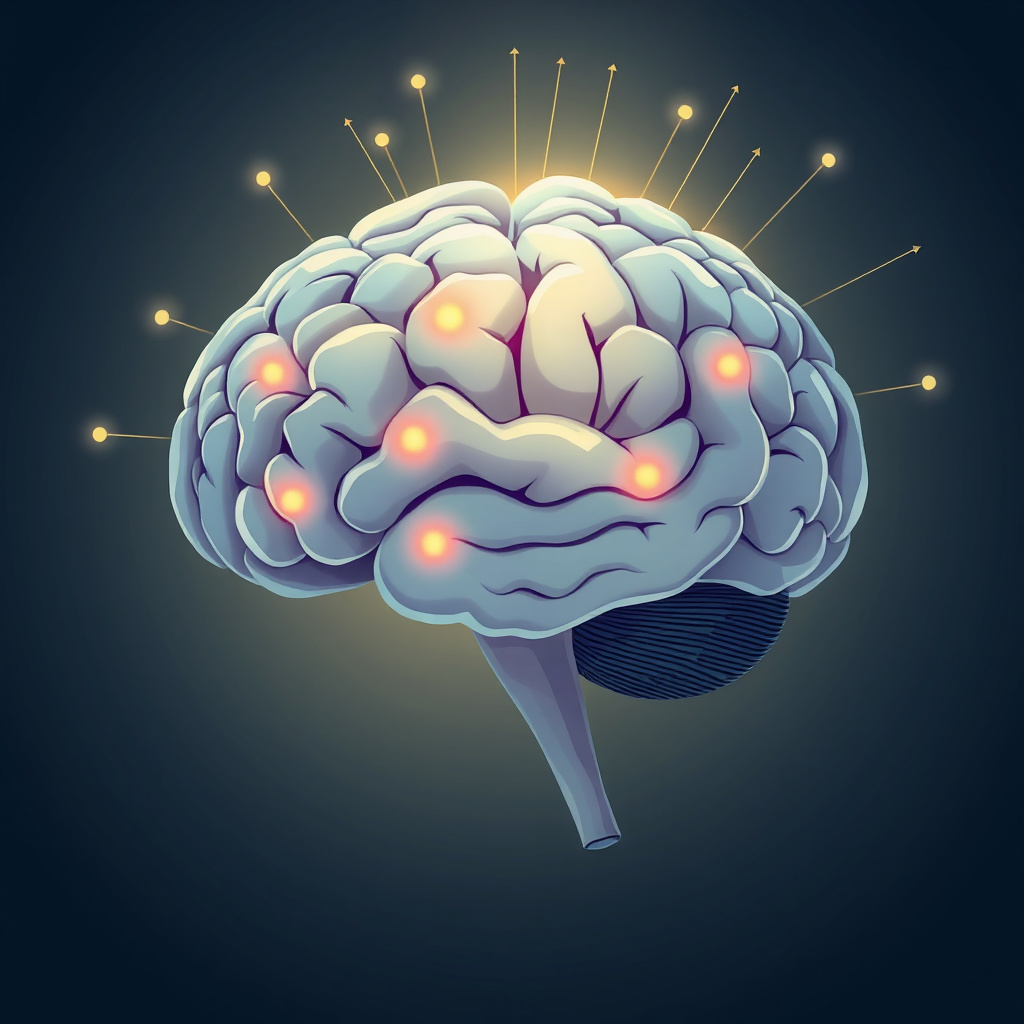
Memory involves encoding, storage, and retrieval processes in the brain. When you learn something new, your brain creates neural connections that store this information. Stronger, repeated connections make memories more stable and easier to recall later.
However, without reinforcement, memories weaken over time due to decay and interference. Understanding this biological basis helps explain why active engagement and review techniques are essential to remember what you learn.
Factors Affecting Memory Retention
Many factors influence whether information sticks, including attention, emotional engagement, sleep quality, and the method of study. Distractions reduce attention, while meaningful or emotionally charged content tends to be remembered better.
Sleep plays a critical role in consolidating memories. Additionally, when you use memory retention strategies like elaboration or retrieval practice, you counteract forgetting and strengthen neural pathways.
- Attention focus
- Emotional relevance
- Adequate sleep
- Active recall practice
Spaced Repetition: Spacing Out Learning for Maximum Impact
How Spaced Repetition Works
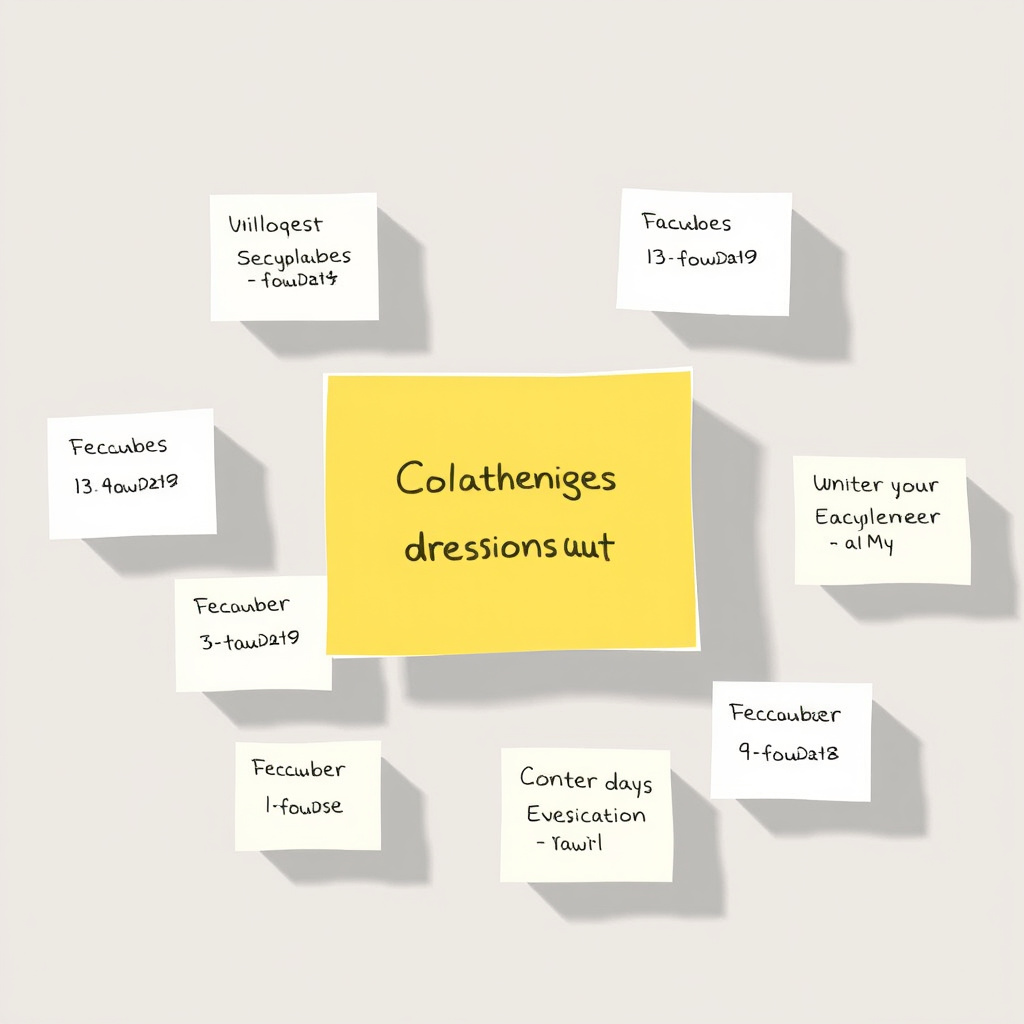
Spaced repetition schedules your review of information with increasing intervals. This method aligns with how the brain naturally forgets, prompting reviews before a memory fades entirely, strengthening retention.
By spacing learning sessions days or weeks apart, you reinforce connections without overloading your brain, making recalling what you learn both easier and longer-lasting.
Implementing Spaced Repetition Techniques
You can use flashcards, apps, or calendars to structure spaced repetition. Popular tools like Anki automate interval timing, while manual planning can work effectively by revisiting notes on a set schedule.
Start with short intervals after initial learning, then gradually extend time between sessions. This systematic approach ensures you engage with material repeatedly but efficiently.
- Use flashcards or digital apps
- Review material shortly after learning
- Gradually increase review intervals
- Consistently track your progress
Active Recall: Testing Yourself for Stronger Memory

Why Active Recall Is Effective
Active recall forces your brain to retrieve information without prompts, reinforcing memory connections. This practice is more powerful than passive review methods like rereading or highlighting.
By continuously challenging your recall, you identify gaps in knowledge and solidify learning, making it easier to remember what you learn over time.
Incorporating Active Recall Into Study Habits
Self-testing through quizzes, flashcards, or explaining concepts aloud helps build strong recall pathways. Regularly attempt to retrieve key points before checking your notes to enhance memory retention.
Pair active recall with spaced repetition for even better results; testing yourself right before spaced reviews boosts your brain’s ability to store and access information.
- Use flashcards with questions
- Write or speak answers from memory
- Test yourself regularly
- Combine with spaced repetition
Using Mnemonics and Visualization to Enhance Memory
Types of Mnemonic Devices
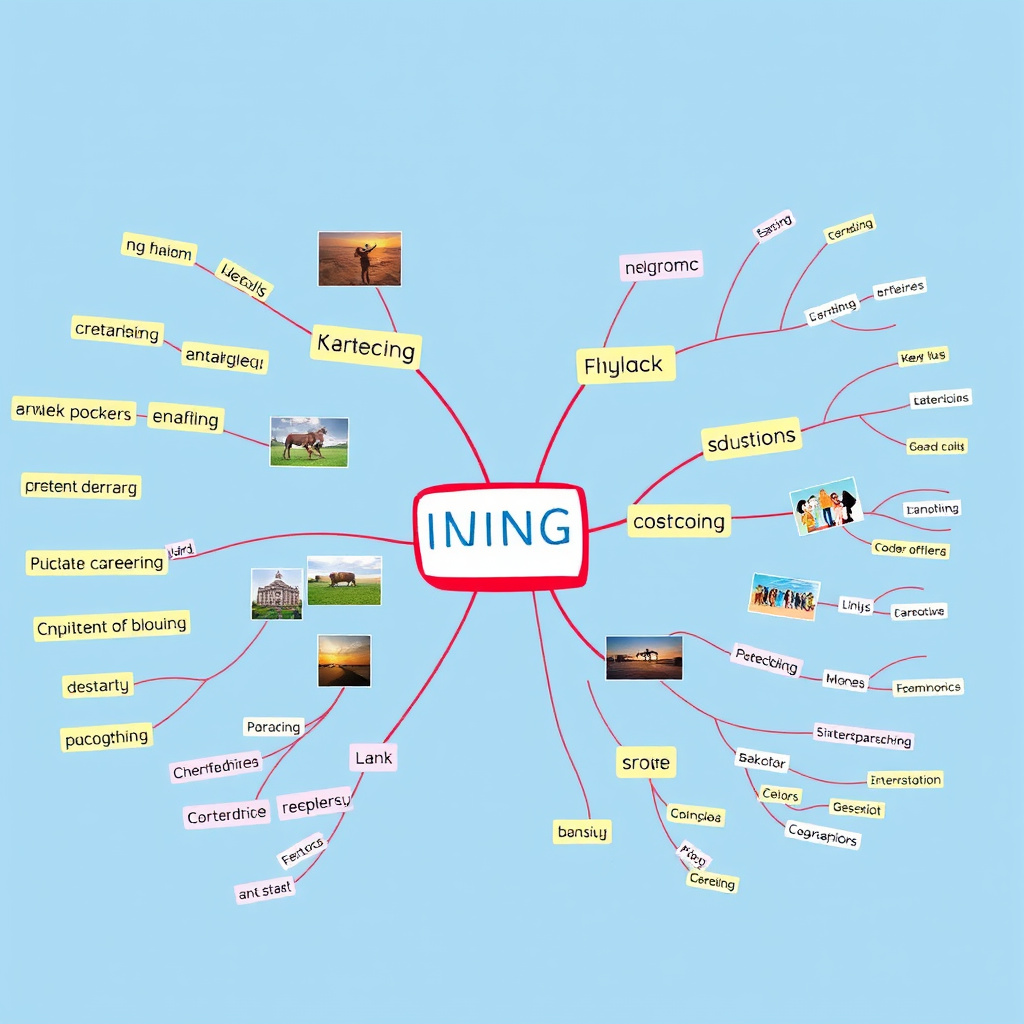
Mnemonics are memory aids like acronyms, rhymes, or chunking techniques that make complex information easier to recall. For example, acronyms condense long lists into memorable abbreviations.
Visualization pairs concepts with vivid mental images making abstract or detailed content more accessible and memorable by linking it to sensory or emotional cues.
- Acronyms and acrostics
- Rhymes and songs
- Chunking information
- Imagery and loci method
Applying Visualization and Mnemonics in Practice
Creating mental images connected to concepts or building stories helps transform dull or difficult information into memorable scenes. Combine this with mnemonic structures for stronger retention.
When you actively create or use these aids during study, you improve encoding depth, which makes retrieving what you learn faster and less effortful later.
Optimizing Your Environment and Habits for Memory
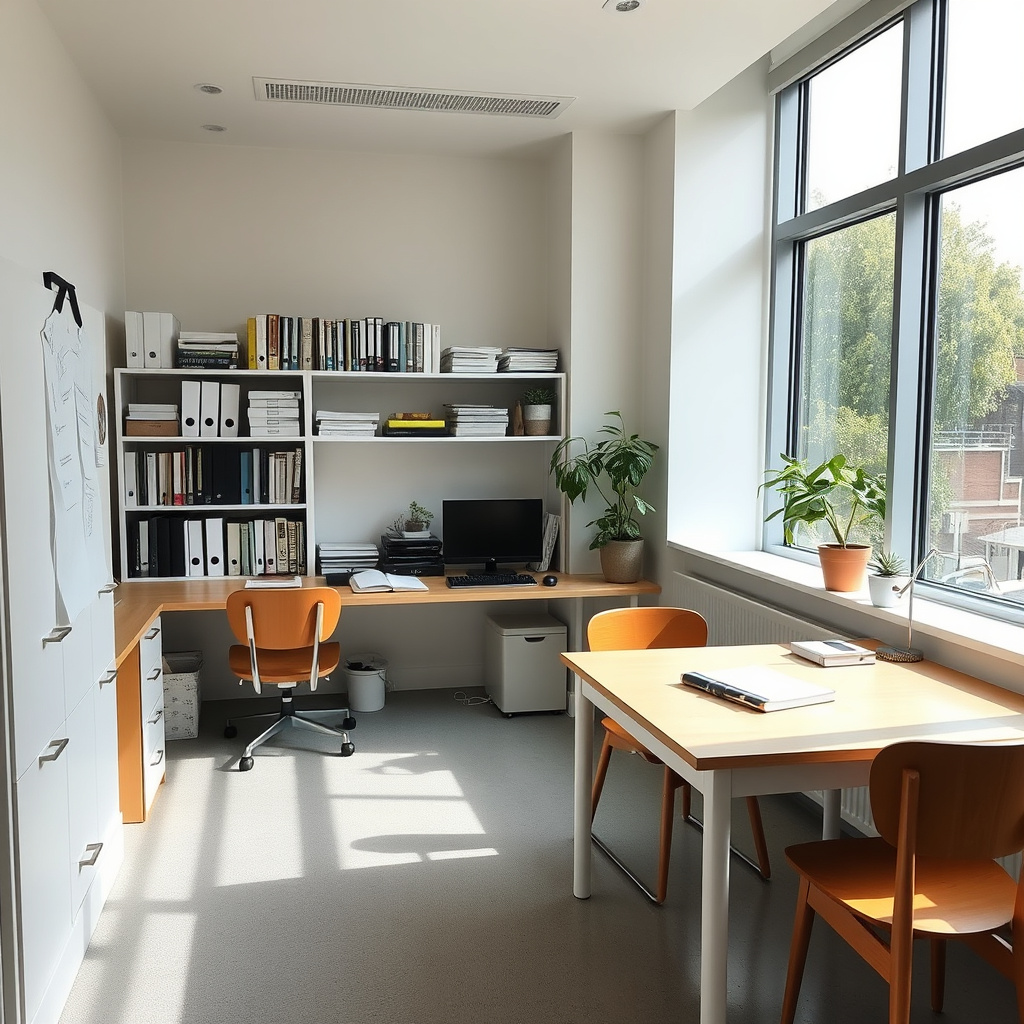
The Role of Environment in Memory
A distraction-free and organized study area helps maintain focus, one of the key components of effective learning and memory retention. Natural lighting and comfortable seating encourage longer study sessions.
Consistent environments also trigger context-dependent memory, where being in the same place during study and recall helps improve your memory performance.
- Quiet and tidy workspace
- Good lighting and comfort
- Minimize distractions
- Consistent study location
Habits That Support Memory Retention
Regular breaks during study prevent fatigue, and sleep is critical for consolidating memories formed during the day. Balanced nutrition and hydration also contribute to brain health and memory efficiency.
Daily or weekly schedules incorporating review sessions and mental rest support the brain’s processing and help you sustain long-term recall of learned material.
- Take breaks (e.g., Pomodoro technique)
- Prioritize quality sleep
- Maintain hydration and nutrition
- Schedule regular reviews
Leveraging Technology to Support Memory Retention Strategies
Apps That Facilitate Spaced Repetition and Active Recall
Several digital tools like Anki, Quizlet, and Memrise automate spaced repetition timing and offer flashcard-based active recall practice. These apps track performance and adapt intervals to optimize retention.
By using technology, learners can make memory retention strategies more manageable and integrate reviews conveniently into daily routines.
- Anki for customizable flashcards
- Quizlet for interactive study sets
- Memrise for gamified learning
- Built-in review scheduling
For a deeper understanding of how memory functions, you can explore the detailed overview presented by Memory on Wikipedia. Memory on Wikipedia.
Balancing Screen Time and Focus
While apps provide convenience, minimizing digital distractions is essential. Use notifications wisely, set dedicated study times, and complement tech use with offline methods like handwritten notes.
Tools should enhance your study, not fragment attention. Habitual balance between technology and focused study habits yields the best results in remembering what you learn.
Memory Retention Strategies Comparison
Below is a comparison of popular memory retention strategies based on effectiveness, ease of use, and best application scenarios.
| Strategy | Effectiveness | Ease of Use | Best For |
|---|---|---|---|
| Spaced Repetition | High | Moderate | Long-term retention of facts and languages |
| Active Recall | Very High | Moderate | Identifying knowledge gaps and strengthening memory |
| Mnemonics and Visualization | High | Easy | Memorizing complex or abstract information |
| Consistent Environment and Habits | Moderate | Easy | Building overall study efficiency |
| Technology-Aided Practice | High | Variable | Busy learners needing structured reviews |
Frequently Asked Questions
How often should I review material to remember it well?
Reviewing material using spaced repetition means starting with daily reviews, then gradually increasing intervals to every few days, weeks, or months depending on how well you retain the information.
Are mnemonic devices useful for all types of learning?
Mnemonic devices work best for memorizing lists, vocabulary, or structured data but are less effective for understanding complex concepts that require critical thinking.
Can sleep really improve how I remember information?
Yes, sleep plays a vital role in consolidating memories, transferring them from short-term to long-term storage, making recalling what you learn easier and more reliable.
Does active recall mean I have to test myself repeatedly?
Exactly. Active recall involves repeatedly forcing yourself to retrieve information from memory, which strengthens neural pathways and highlights areas needing more study.
What is the difference between spaced repetition and cramming?
Spaced repetition spreads study sessions over time to reinforce learning gradually, while cramming involves intense, last-minute studying that often leads to quick forgetting.
Key Takeaways
- Spaced repetition aligns with natural memory decay to improve long-term retention.
- Active recall strengthens memory by challenging yourself to retrieve information.
- Mnemonics and visualization make learning complex data easier to remember.
- Optimizing your study environment and habits supports effective memory retention.
Conclusion
Selecting the best method to remember what you learn depends on understanding how memory functions and combining techniques that complement your learning style. Recognizing the value of spaced repetition and active recall enhances memory stability, while mnemonics add creativity and ease for complicated content. Pairing these with a distraction-free environment and healthy habits creates a robust framework that transforms short-term studying into long-lasting knowledge.
For those focused on retaining detailed factual information, spaced repetition tools or apps offer a scientifically backed solution to review material progressively. Active recall through self-testing identifies gaps and reinforces knowledge efficiently. Meanwhile, mnemonics and visualization shine when memorizing abstract or voluminous data. Integrating these approaches into your routine according to your goals maximizes results without overwhelming you.
Start by experimenting with simple flashcard reviews or self-quizzing in a quiet setting and increase use of mnemonic techniques as needed. Tracking your progress and adjusting review intervals maintains engagement and improves memory retention. Ultimately, consistent effort with smart strategies will help you recall what you learn whenever you need it.