How to Help a Child with Math: Practical Strategies for Parents and Educators
Helping a child with math starts by identifying their current level and focusing on building a solid understanding of basic concepts like addition, subtraction, and number sense. Providing clear explanations, encouraging practice, and using engaging tools make the learning process more effective.
Math can be challenging for many children, but with patient guidance and appropriate strategies, their confidence and competence can grow considerably. Early math skills are the foundation for later academic success, influencing problem-solving and critical thinking.
This article explores various methods and tips on how to help a child with math, including practical approaches for parents and educators, the role of visual aids and games, how to develop math learning techniques for kids, and strategies for overcoming common obstacles.
Understanding Your Child's Math Needs

Assessing Skill Levels and Gaps
Start by reviewing your child's current math abilities through simple quizzes or observing their homework. Identifying areas where they struggle, whether it's basic operations or word problems, helps tailor the support they need.
Knowing if the challenge is conceptual, procedural, or related to math anxiety guides how you intervene and select resources.
- Use informal observations during homework
- Apply grade-level checklists
- Consider consultations with teachers or tutors
Setting Realistic Learning Goals
Set achievable short-term goals aligned with what your child can handle. Celebrating small milestones builds motivation and a positive attitude toward math.
Avoid overwhelming expectations and be flexible to adjust goals based on progress and feedback.
- Focus on mastering one concept at a time
- Include both skill practice and conceptual understanding
- Incorporate regular review sessions
Techniques on How to Help a Child with Math

Using Visual Aids and Manipulatives
Concrete objects like counters, blocks, or fraction circles help children grasp abstract math concepts by making them tangible.
Visual aids such as charts, number lines, and diagrams provide reference points that support comprehension and memory.
- Employ everyday items for counting exercises
- Draw or use printed visual tools during explanations
Incorporating Math Learning Techniques for Kids
Encourage techniques that suit your child's learning style, such as storytelling for word problems, rhythmic counting, or interactive games to practice skills.
Repetition combined with varied approaches keeps kids engaged and reinforces understanding.
- Use math apps and educational games
- Relate math concepts to real-life scenarios
- Practice mental math through quick challenges
Building a Positive Math Attitude

Encouraging a Growth Mindset
Help your child see mistakes as learning opportunities rather than failures, fostering resilience and persistence in math.
Praise effort over innate ability to motivate continuous improvement regardless of challenges.
- Discuss how everyone can improve with practice
- Share stories of overcoming learning obstacles
For more on this, see our related guide: How to Get Effective Math Homework Help Fast and Easily.
Reducing Math Anxiety
Create a stress-free environment for math practice, avoiding pressure and negative language.
Use relaxation techniques or breaks to keep frustration in check during challenging tasks.
- Keep practice sessions short and frequent
- Encourage questions and express patience
Utilizing Resources and Support Systems

Finding Tutors and Online Programs
Professional tutors and targeted online programs can provide personalized support tailored to your child's needs, enhancing traditional learning methods.
Look for reputable options with proven results and interactive features.
- Research local tutoring centers
- Explore top-rated math websites and apps
Involving Schools and Teachers
Maintaining communication with your child’s teachers can uncover insights into their classroom performance and available resources.
Teachers can recommend focused exercises or group support tailored to your child's difficulties.
- Attend parent-teacher conferences
- Request progress updates regularly
Practical Practice Approaches
Daily Math Practice Habits
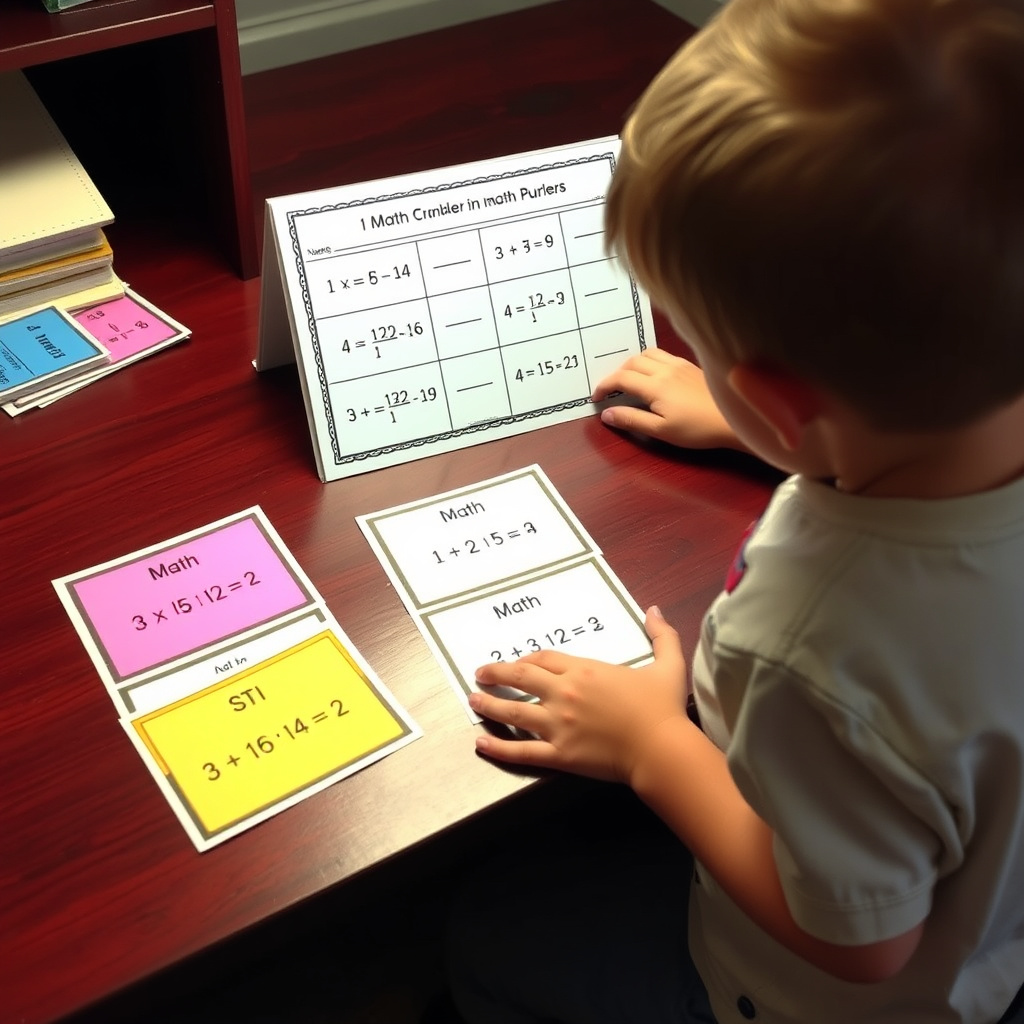
Consistent short practice sessions each day build fluency and retention better than infrequent long sessions.
Incorporate math into everyday routines like cooking or shopping to make practice natural and relevant.
- Set aside 15-20 minutes daily for focused math activities
- Use household tasks as opportunities to apply math
For more on this, see our related guide: Effective Homework Help Tips for Students in Doral FL.
Games and Activities That Reinforce Skills
Board games, card games, and puzzles encourage strategic thinking and number manipulation while keeping the experience fun.
Educational apps designed for children offer interactive math challenges with immediate feedback.
- Play math-related games like 'Math Bingo' or 'Number Jeopardy'
- Use apps with progress tracking and rewards
Monitoring Progress and Adjusting Strategies
Tracking Improvement Over Time
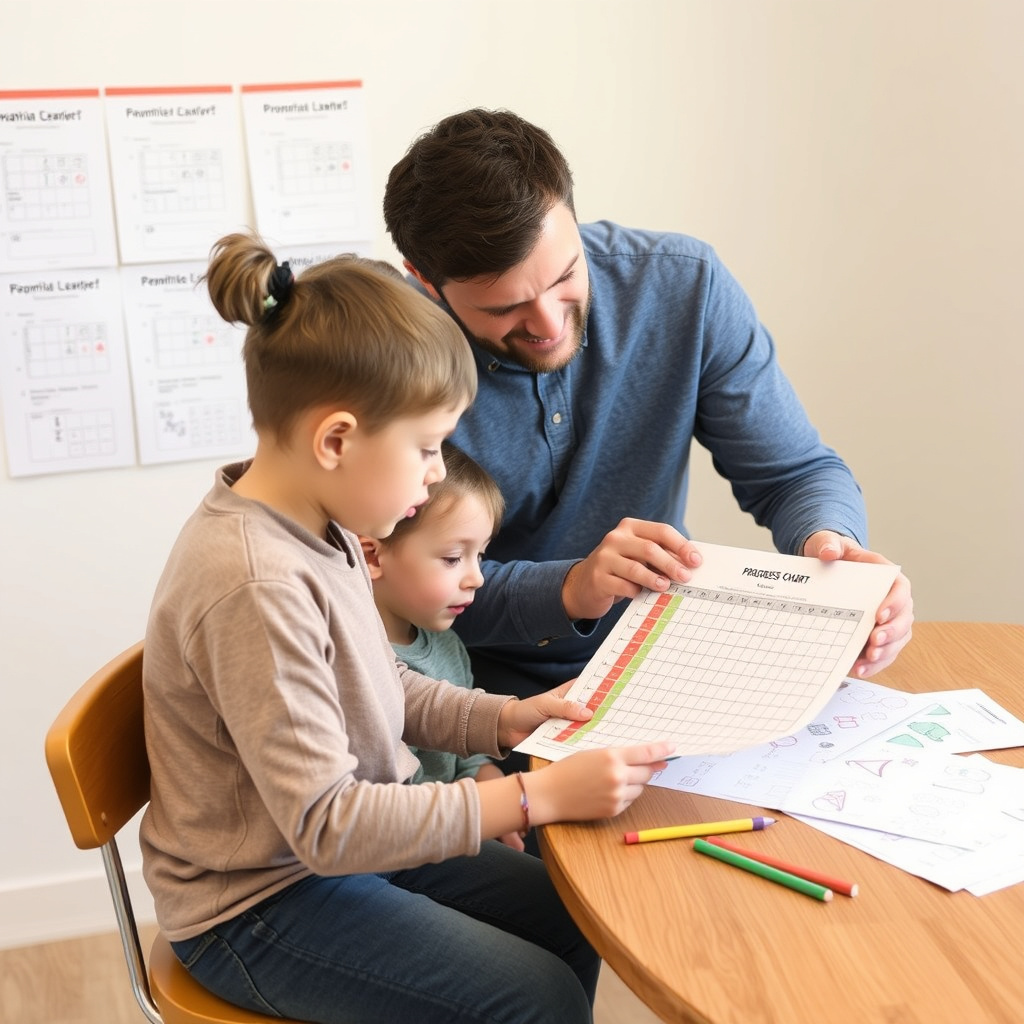
Documenting your child’s successes and struggles helps gauge which methods are effective and which need modification.
Regular review of test scores, homework accuracy, and confidence indicates overall growth.
- Keep a math journal or log of completed exercises
- Note patterns of errors to target weak points
For further reading on the foundations and methods in math education, exploring this comprehensive resource can provide valuable background. Math education on Wikipedia.
Adapting Support Based on Feedback
Be ready to switch approaches if certain techniques don’t resonate or improvements plateau.
Involve your child in deciding what methods they find helpful to foster ownership of their learning.
- Seek input from educators or tutors
- Be flexible in changing the pace or style of instruction
Different Types of Math Support Compared
This table highlights the main types of math assistance available, outlining benefits and best use cases for each.
| Support Type | Best For | Cost | Accessibility | Effectiveness |
|---|---|---|---|---|
| In-Home Tutoring | Personalized help for individual challenges | Medium to High | Requires scheduling and location | High |
| Online Math Programs | Self-paced learning and practice | Low to Medium | Available anywhere with internet | Medium to High |
| School-Based Resources | Structured curriculum support and guidance | Free | Limited to school hours and offerings | Medium |
| Parent-Led Practice | Daily reinforcement and familiarity | Free | Flexible and home-based | Varies widely |
Frequently Asked Questions
What is the best age to start helping a child with math?
Introducing basic math concepts like counting and shapes can begin as early as preschool, building a foundation before formal schooling starts.
How can I tell if my child is struggling with math anxiety?
Signs include reluctance to do math homework, excessive worry about tests, physical symptoms like stomach aches, and negative statements about math ability.
Are math apps effective for learning?
Yes, when chosen carefully, math apps provide interactive practice, immediate feedback, and engaging formats that reinforce skills alongside traditional methods.
How often should a child practice math to see improvement?
Short daily practice sessions of 15-20 minutes are generally more effective than less frequent, longer periods as they aid retention and reduce burnout.
What should I do if my child resists practicing math?
Incorporate math into fun activities, relate problems to real-life interests, and praise effort to build motivation without pressure.
Key Takeaways
- Start by assessing your child's specific math challenges to tailor help effectively.
- Use visual tools and math learning techniques for kids to simplify abstract concepts.
- Build a positive attitude by encouraging effort and minimizing anxiety.
- Leverage resources like tutors, apps, and school support paired with regular practice.
Conclusion
Helping a child with math involves a thoughtful approach that blends understanding their skills and struggles with deliberate, consistent support techniques. The decision-making process balances between reinforcing fundamentals through daily practice and addressing emotional aspects such as math confidence. Observing progress and adapting strategies over time ensures that efforts lead to meaningful improvement.
Considering specific scenarios, in-home tutoring works well for children who need personalized and focused attention, while engaging online math programs are ideal for self-directed learners. Parent-led daily practice is flexible and accessible but requires consistent motivation and appropriate techniques. Collaborative efforts with schools complement these methods by integrating classroom insights and resources, creating a comprehensive support system.
For parents and educators starting this journey, the next step is to evaluate your child’s unique needs, select a compatible combination of strategies, and maintain an encouraging environment. Combining visual aids, math learning techniques for kids, and supportive routines fosters not only skill development but also a lifelong positive relationship with math.