How to Improve Communication Skills: Practical Strategies That Work
Improving communication skills starts with understanding that clear expression and active listening are core. To improve communication skills, focus on both what you say and how you receive information. Effective communication is about making your ideas understandable and truly grasping others’ messages.
Strong communication skills matter because they impact relationships, career success, and everyday interactions. When you communicate well, you reduce misunderstandings and build trust, making collaboration and conflict resolution smoother. These skills aren’t innate for everyone, but they can be refined with intentional practice.
This article will cover essential areas of communication improvement, including verbal and nonverbal cues, listening strategies, confidence building, and adapting your style to different audiences. You’ll also find comparisons of techniques and answers to frequent questions about communicating effectively.
Mastering Verbal Communication Skills

Clarity and Conciseness in Speech
Being clear and concise means expressing thoughts in simple, direct language. Avoid jargon or overly complex sentences to prevent confusion. Structure your message logically, starting with the main idea, followed by supporting information.
Developing this skill involves practicing summarizing your points and pausing to check if your listener understands. Clear speech enhances your credibility and keeps audiences engaged.
- Use simple words
- Speak slowly and enunciate
- Avoid filler phrases like 'um' and 'like'
- Organize thoughts before speaking
Tone and Voice Modulation
Your tone influences how your message is received. A warm, confident tone invites openness, whereas monotone or harsh tones can alienate listeners. Modulating pitch, pace, and volume helps convey emotions and maintain interest.
Practice varying your voice during conversations or presentations to emphasize key points and avoid sounding flat or robotic.
- Adjust pitch for emphasis
- Use pauses for effect
- Match tone to content and audience
- Avoid speaking too fast or too softly
Harnessing Nonverbal Communication
Body Language and Gestures
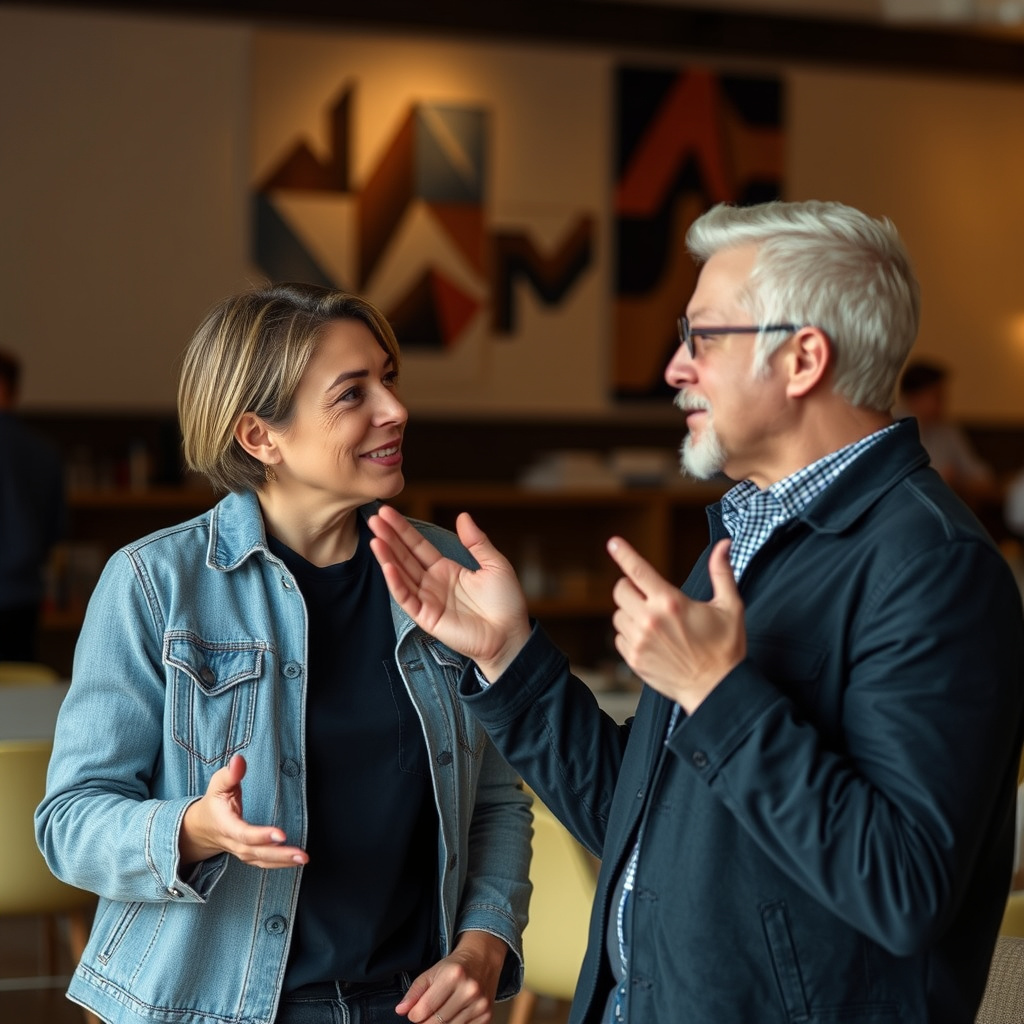
Nonverbal cues like posture, eye contact, and gestures often speak louder than words. Open body language—such as uncrossed arms and facing the speaker—signals receptiveness.
Being mindful of your gestures can reinforce your message. For example, nodding shows agreement or understanding, while excessive movements may distract or confuse.
- Maintain eye contact appropriately
- Use hand gestures to support points
- Keep posture relaxed yet attentive
- Avoid negative cues like crossed arms
Facial Expressions and Emotional Signals
Facial expressions convey emotions and enhance empathy. Smiling when appropriate builds rapport; frowning or furrowing brows can indicate concern or confusion. Reading others’ expressions helps you respond suitably.
Training yourself to mirror positive expressions aids connection by making conversations feel more natural and supportive.
- Practice smiling genuinely
- Observe listener’s reactions
- Recognize signs of boredom or confusion
- Respond empathetically to emotions
Developing Active Listening Skills

Techniques for Better Listening
Active listening means fully concentrating on the speaker, not just hearing words but understanding intent. Techniques include summarizing what was said, asking clarifying questions, and withholding judgment.
This approach minimizes misunderstandings and makes others feel valued, enhancing overall communication effectiveness.
- Focus without interruptions
- Paraphrase key points
- Ask open-ended questions
- Avoid planning your response while listening
For more on this, see our related guide: How to Choose a Reading Comprehension Tutor That Boosts Your Skills.
Overcoming Common Listening Barriers
Distractions, biases, and preconceptions often block effective listening. Recognizing these barriers helps you stay attentive and open-minded.
Setting aside prejudgments and maintaining focus even on uninteresting topics improves comprehension and makes communication more productive.
- Eliminate external distractions
- Practice mindfulness
- Suspend assumptions during conversations
- Engage with the speaker's message fully
Building Confidence in Communication
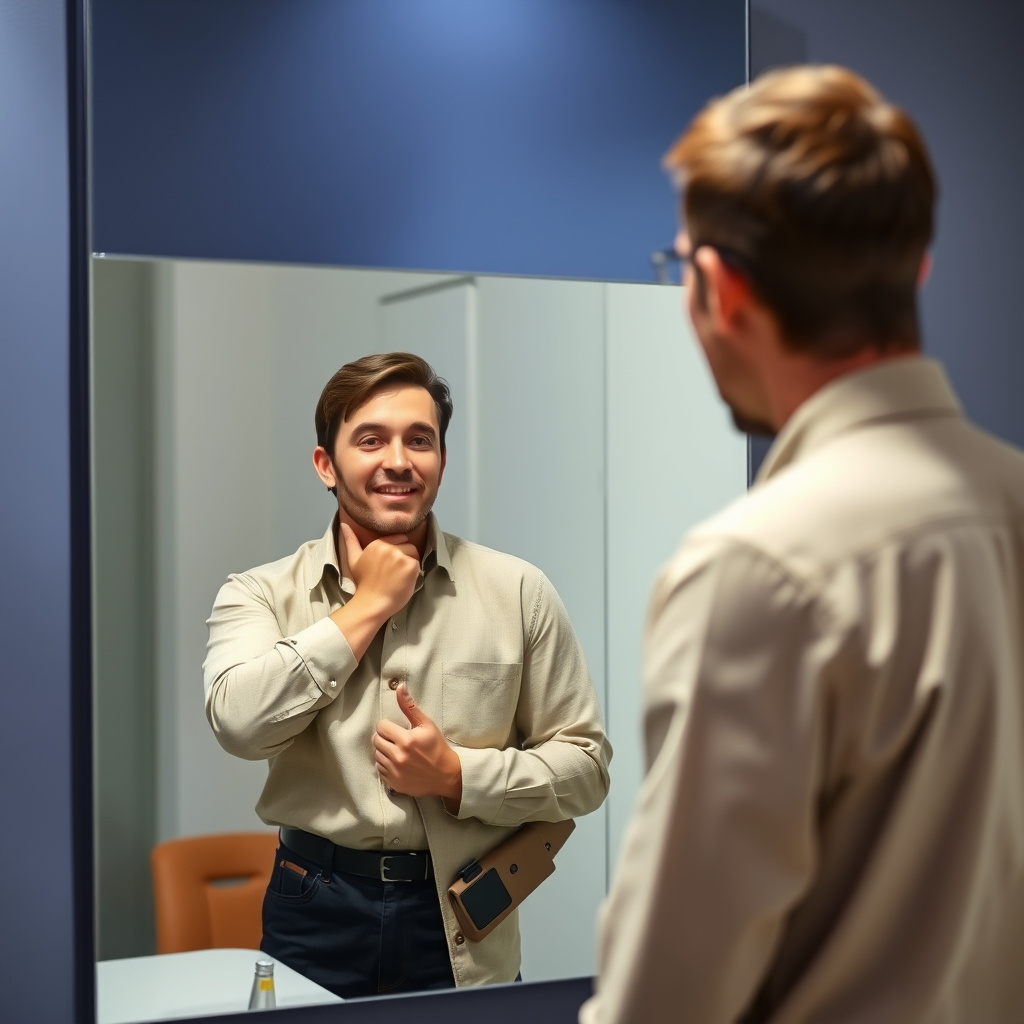
Techniques to Boost Speaking Confidence
Confidence changes how your message is received. Techniques to build it include preparation, practicing in comfortable settings, and gradually facing more challenging situations.
Positive self-talk and visualization before interactions help reduce anxiety and present your ideas assertively.
- Rehearse important points
- Record and review your speaking
- Use relaxation exercises
- Start with low-stakes conversations
Handling Anxiety and Nervousness
Even strong communicators experience nerves. Recognizing anxiety symptoms and using breathing techniques or brief pauses can calm your mind and body during communication.
Accepting that mistakes might happen also reduces pressure and allows for recovery without losing composure.
- Practice deep breathing
- Take slow, deliberate pauses
- Focus on message, not on yourself
- Learn from every conversation
Adapting Communication Style for Different Contexts

Tailoring Messages for Formal Settings
Formal contexts require a professional tone, precise language, and respectful expressions. Preparing ahead ensures you meet expectations and communicate clearly with colleagues, clients, or authorities.
Using effective communication techniques like structured points and careful listening maximizes understanding in these environments.
- Use polite and precise vocabulary
- Organize information logically
- Maintain professional body language
- Avoid slang or jargon
For more on this, see our related guide: How to Choose the Best Test Preparation Tutor in Doral FL for Effective Results.
Engaging Effectively in Casual Conversations
Casual settings allow for more relaxed language and humor, helping build social rapport. Balancing openness with respect keeps interactions enjoyable and meaningful.
Adjusting tone and content for your audience—friends, family, or acquaintances—strengthens connections.
- Use informal but respectful language
- Share stories and ask questions
- Match energy and enthusiasm
- Read social cues for comfort
Improving Written Communication
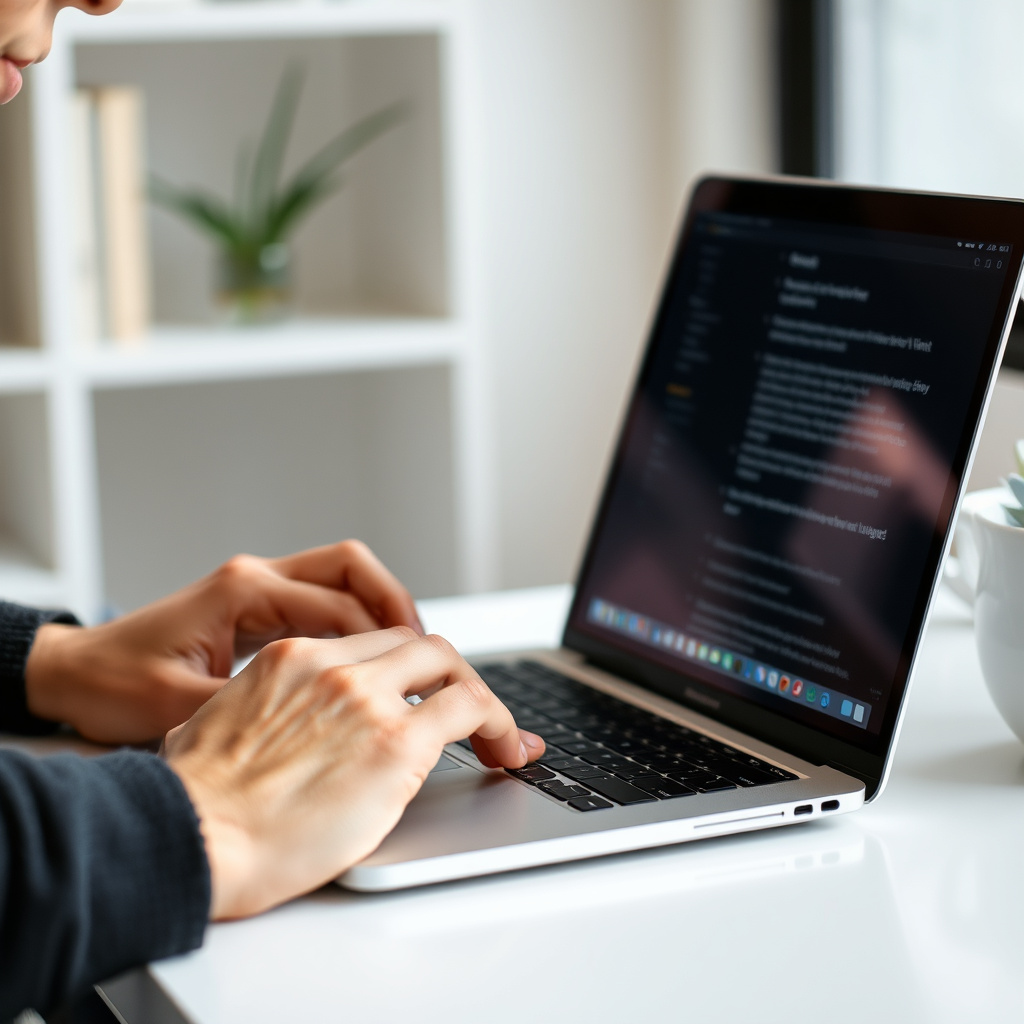
Writing Clear and Professional Messages
Clarity in writing mirrors spoken clarity. Short sentences, active voice, and organized structure improve readability. Proofreading eliminates errors that can undermine your message.
Tailoring your tone to the recipient ensures appropriateness, whether for business or casual emails.
- Keep paragraphs concise
- Use bullet points when helpful
- Write with the reader in mind
- Double-check grammar and spelling
For further reading on the fundamentals and varieties of communication skills, visit this comprehensive communication skills overview. communication skills overview.
Using Digital Tools to Enhance Communication
Various apps and platforms assist with grammar checks, tone suggestions, and formatting. Leveraging these tools improves the quality of your writing and saves time.
Being familiar with communication platforms’ etiquette also prevents misunderstandings in digital exchanges.
- Use grammar and spell checkers
- Choose platforms suited for your audience
- Be mindful of message tone online
- Keep messages concise and clear
Communication Skills Improvement Techniques Comparison
Below is a comparison of popular strategies to improve communication skills across various settings and needs.
| Technique | Best For | Required Time Investment | Key Benefits |
|---|---|---|---|
| Active Listening Training | Enhancing understanding in conversations | Medium (several weeks) | Improves empathy and reduces misunderstandings |
| Public Speaking Practice | Building confidence for presentations | High (ongoing) | Boosts assertiveness and vocal clarity |
| Nonverbal Communication Coaching | Interpreting and using body language | Low to Medium | Strengthens connection and message impact |
| Writing Skills Workshops | Improving clarity in emails and reports | Medium | Refines professionalism and precision |
| Tone and Voice Modulation Exercises | Engaging audiences and varying speech | Low | Enhances listener engagement |
Frequently Asked Questions
How can I practice active listening daily?
Focus fully on the speaker without interrupting, summarize their points, and ask thoughtful questions. Setting aside distractions like phones during conversations helps reinforce active listening habits.
What is the easiest way to improve verbal communication?
Start by speaking clearly and slowly, organizing your thoughts ahead, and minimizing filler words. Regular practice in casual conversations builds natural fluency.
Why is nonverbal communication important?
Nonverbal cues reveal emotions and attitudes that words alone might miss, helping you connect and respond more effectively to others.
How do I handle nervousness when speaking publicly?
Use breathing exercises, prepare thoroughly, and begin with small audiences to build confidence gradually, reducing anxiety over time.
What role does written communication play in overall skills?
Writing skills complement speaking abilities, especially in professional settings where emails and documents need to be clear, polite, and effective.
Key Takeaways
- Clear and concise speech enhances understanding.
- Nonverbal signals significantly affect communication success.
- Active listening deepens connection and reduces misunderstandings.
- Confidence grows through practice and managing anxiety.
Conclusion
Improving communication skills involves a balanced focus on both expressing yourself clearly and understanding others deeply. Whether it’s mastering your verbal delivery or reading nonverbal cues, consistent practice and self-awareness are essential. Using practical strategies and adapting to different contexts ensures your message reaches its intended audience effectively.
For those aiming to strengthen daily interactions, focusing on active listening and clarity will prove invaluable. Public speaking or professional communication improvements benefit from practicing tone modulation and written communication precision. Evaluating your goals helps select which techniques—for example, nonverbal communication coaching or writing workshops—will bring the best results.
Start by identifying your main communication challenges and gradually apply targeted exercises like recording your speech, seeking feedback, and experimenting with different styles. With commitment and patience, you can build strong communication skills that enhance personal relationships and professional opportunities.