How to Choose a Tutor for Struggling Students: A Practical Guide
Finding a tutor for struggling students begins with identifying one who can address specific learning gaps with patience and skill. The best tutors tailor their approach to each student's needs, making difficult concepts easier to grasp and helping boost confidence quickly.
Many students face challenges that standard classroom teaching may not fully resolve. Tutors offer personalized attention that targets problem areas, whether in reading, math, or other subjects. This focused help can turn academic struggle into steady progress and improve overall motivation.
This article explores what qualities to look for in a tutor for struggling students, including experience, teaching style, and subject knowledge. It also covers how to match the tutor with the student’s personality and learning preferences, plus practical tips to measure tutoring success.
Understanding the Needs of Struggling Students

Identifying Learning Challenges
Recognizing exactly what makes a student struggle academically is the first step toward meaningful tutoring. Challenges may involve specific disabilities like dyslexia, gaps in foundational knowledge, or lack of motivation. Clear assessment helps target tutoring efforts efficiently.
Parents and educators can work together to observe patterns in performance and behavior. This might include noting which subjects are hardest, which types of assignments cause frustration, and whether attention or comprehension issues arise frequently.
- Common challenges include reading difficulties, math anxiety, and poor study habits
- Learning assessments and teacher feedback provide valuable insights
Emotional and Social Factors
Tutoring isn’t only about academics; emotional support plays a key role. Students struggling often experience lowered confidence or stress related to school. A sensitive tutor who fosters encouragement can help reverse negative feelings associated with learning.
Understanding social dynamics helps tutors build rapport. For some students, group sessions reduce isolation; for others, one-on-one settings provide safer space. Tailoring tutoring to emotional needs enhances outcomes beyond pure academics.
Qualities to Look for in a Tutor for Struggling Students

Experience and Subject Expertise
Tutors should have documented experience working specifically with struggling learners in their subject areas. Familiarity with challenges common to certain topics—like reading comprehension or algebraic concepts—enables the tutor to select appropriate teaching methods.
Formal credentials, such as teaching certificates or specialized training in special education, can indicate preparedness. Prior success stories from similar students often suggest the tutor’s approach is effective.
- Background in special education or remedial tutoring is a plus
- Understanding curriculum expectations helps align sessions with schoolwork
Patience and Adaptability
Patience is critical when working with students who may require repeated explanations and extra time to master concepts. An adaptable tutor will modify techniques to fit the student’s pace and preferred learning styles, whether visual, auditory, or kinesthetic.
Rigid teaching methods often hinder struggling learners. Tutors who listen carefully and adjust their strategies build greater trust and facilitate better progress.
Effective Tutoring Strategies for Struggling Students
Personalized Lesson Plans
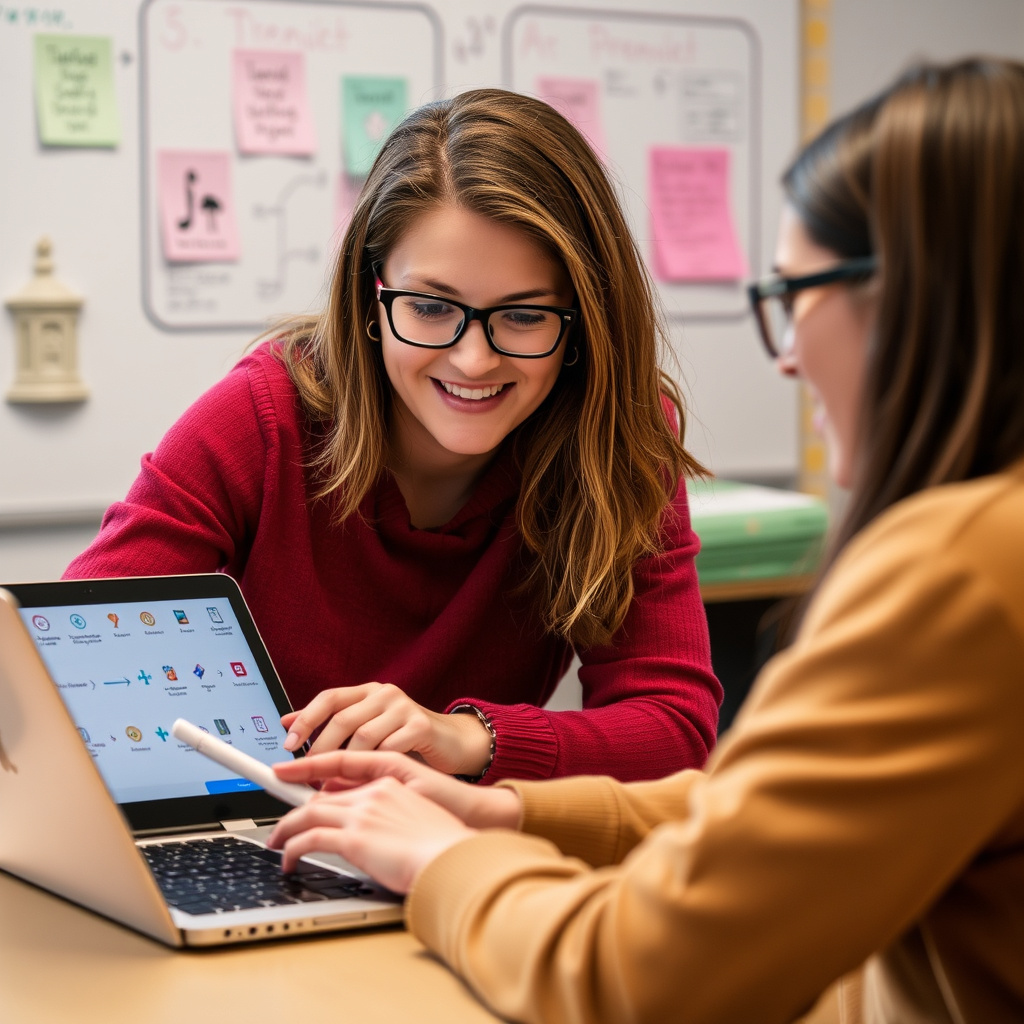
Effective tutoring strategies start with a personalized plan that targets the student's weakest areas. Breaking down complex topics into manageable steps helps maintain focus and builds mastery gradually.
Regular review sessions coupled with incremental challenges help solidify understanding and maintain engagement. Lesson plans incorporate the student’s interests to make learning more relevant and enjoyable.
- Use of scaffolding techniques to build knowledge step-by-step
- Incorporation of multimedia tools for multisensory learning
For more on this, see our related guide: Effective Homework Help Tips for Students in Doral FL.
Building Study and Organizational Skills
Tutors for struggling students often focus on improving study habits alongside content learning. Teaching note-taking, time management, and test-taking strategies equips students to handle academic tasks with greater independence.
Developing organizational skills reduces anxiety caused by missed deadlines or incomplete assignments. Habits learned during tutoring transfer to other subjects and long-term academic success.
Matching Tutors to Student Learning Styles and Preferences
Visual vs. Auditory Learners
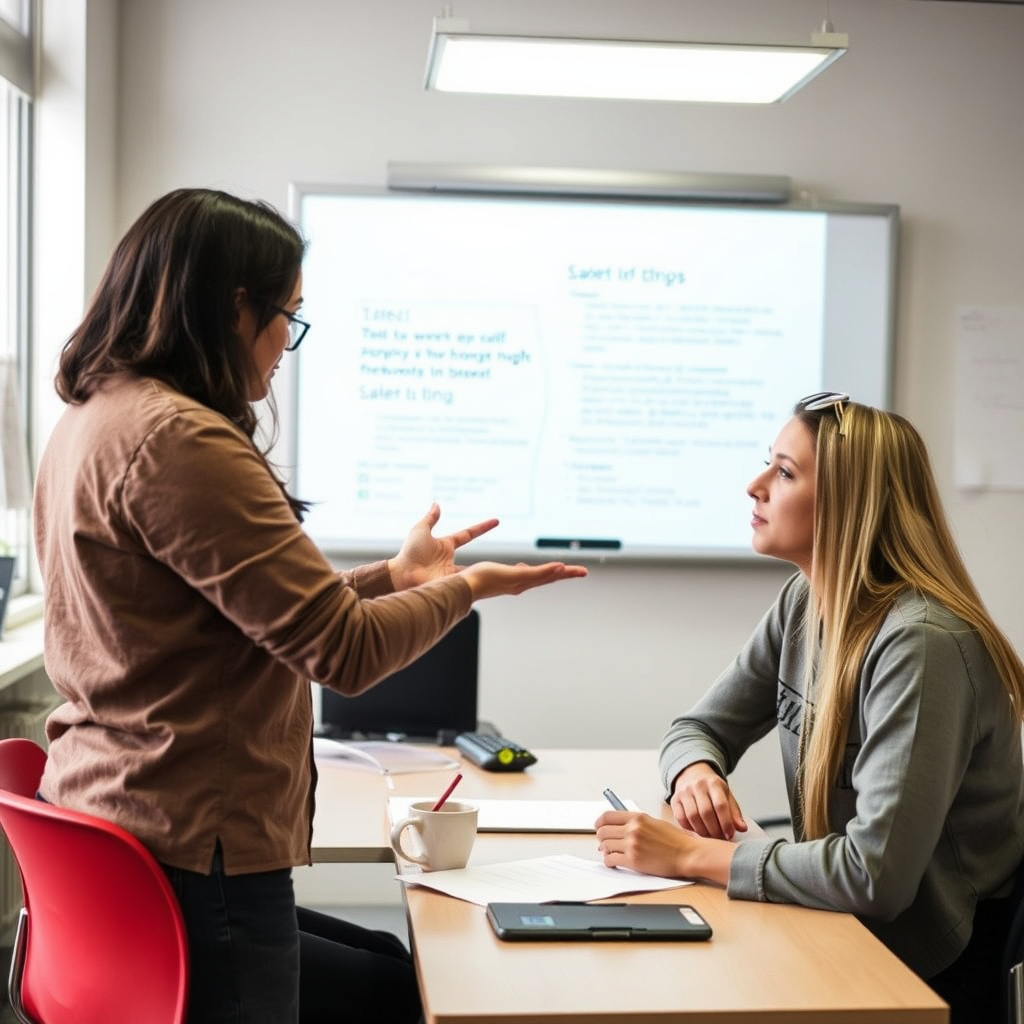
Students absorb information in different ways, and tutors who recognize this can adjust methods accordingly. Visual learners benefit from diagrams, charts, and written instructions, while auditory learners grasp material better through listening and discussion.
Combining visual aids with verbal explanations often enhances retention for many struggling students. Discussing preferred learning styles during an initial assessment session can set appropriate expectations.
One-on-One vs. Group Tutoring
Some students thrive with one-on-one attention, where the tutor customizes pacing entirely to the student's needs. Others gain motivation and social support in small group settings that encourage peer interaction.
Choosing between options depends on the student's personality, confidence level, and specific challenges. Group tutoring may improve communication skills, while solo sessions offer more privacy and focused intervention.
- Consider student's comfort and responsiveness
- Group sessions can sometimes reduce feelings of isolation
Measuring Progress and Adjusting Tutoring Approaches

Setting Clear Goals and Milestones
Establishing tangible goals upfront helps both tutor and student monitor progress objectively. Milestones might include mastering particular skills, improving test scores, or completing assignments more independently.
Frequent feedback sessions encourage student motivation and help modify goals as needed. Celebrating small improvements reinforces continued effort and reduces frustration.
- Use of quizzes and informal assessments
- Tracking homework completion and understanding
For more on this, see our related guide: How to Choose an Elementary Reading Tutor in Doral FL for Your Child.
Flexibility in Tutoring Methods
Tutors should remain open to changing tactics if certain approaches prove ineffective. Some struggling students respond better to hands-on activities, while others need repetition or alternative explanations.
Regular communication between tutors, students, and parents supports necessary adjustments and aligns expectations to sustain progress.
Technology Tools Enhancing Tutor Support

Online Tutoring Platforms
Online tutoring expands access to qualified tutors regardless of location. Many platforms offer specialized support for struggling students with interactive tools and flexible scheduling.
Features such as screen sharing, digital whiteboards, and video calls can simulate in-person interaction effectively. It also allows recording sessions for review, which helps reinforce learning.
- Convenience for families with tight schedules
- Option to match tutors based on expertise and compatibility
For additional guidance on selecting tutors for struggling students, visit tutoring information on Understood.org. tutoring information on Understood.org.
Educational Apps and Software
Specific apps complement tutoring by providing extra practice and gamified learning experiences tailored to problem areas. Examples include reading support programs and math skill builders.
Tutors often integrate these tools in lessons to sustain student interest and track progress with data reports. Such technology aids personalized approaches and enhances overall effectiveness.
Types of Tutors for Struggling Students: A Comparison
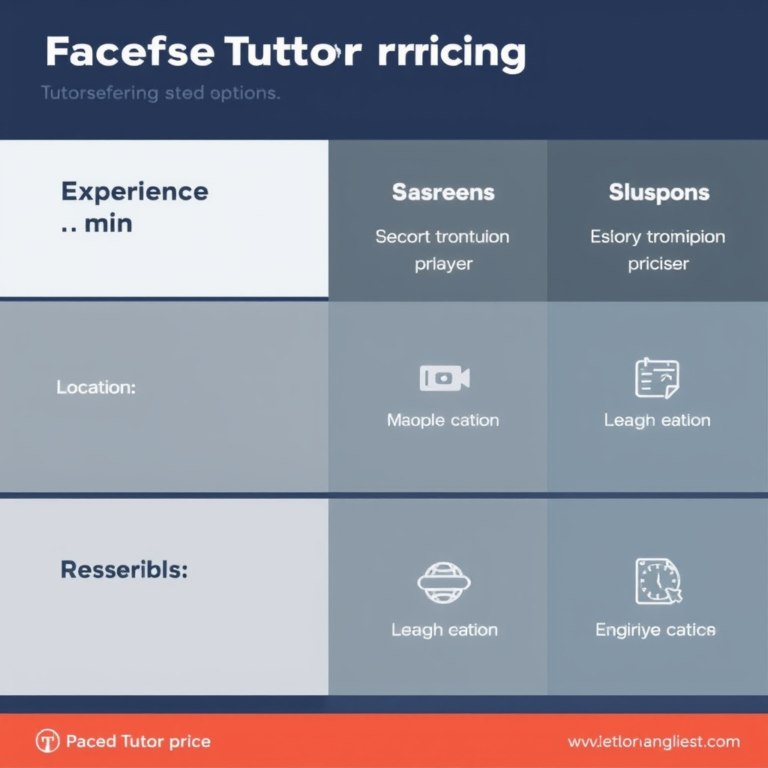
Here is a side-by-side comparison of tutoring categories commonly used to support struggling students, highlighting key features and benefits.
| Type of Tutor | Setting | Cost Range | Best For |
|---|---|---|---|
| Private In-Person Tutor | One-on-one, home or center | $40-$80/hour | Personalized pacing and direct interaction |
| Online Tutor | Virtual sessions | $25-$60/hour | Flexibility and access to specialized experts |
| Peer Tutor | School-based or informal | Usually free or low-cost | Affordable support with relatable peer guidance |
| Group Tutor | Small groups in person or online | $15-$40/hour per student | Social learning and broader support |
| Special Education Tutor | Specialized centers or schools | $50-$100/hour | Students with diagnosed learning disabilities |
Frequently Asked Questions
How often should struggling students have tutoring sessions?
The frequency depends on the student’s needs and goals, but typically 1-3 times per week provides consistent support without causing burnout.
Can tutors help with emotional challenges related to learning?
Yes, many tutors build trust and confidence by being patient and encouraging, which positively impacts emotional well-being and motivation.
Are online tutors as effective as in-person tutors for struggling students?
Online tutors can be just as effective if they use interactive tools and maintain engaging communication tailored to the student’s preferences.
What qualifications should I look for in a tutor?
Look for experience with struggling learners, relevant subject knowledge, patience, and ideally certifications or training in special education.
How do I measure if tutoring is working?
Improvement in grades, homework completion, test performance, and student confidence are good indicators that tutoring is effective.
Key Takeaways
- Identify specific learning challenges before choosing a tutor
- Prioritize tutors with experience and patience for struggling students
- Match tutoring style to the student’s learning preferences
- Use clear goals and monitor progress to adjust tutoring
Conclusion
Choosing the right tutor for struggling students requires careful consideration of the learner’s unique academic and emotional needs. Effective tutors combine subject expertise with patience and flexibility, adapting lessons to student strengths and weaknesses. By setting clear objectives and communicating regularly, parents and tutors can work together to create a supportive environment where the student can build both competence and confidence.
If a student struggles primarily with fundamental skills, a private in-person tutor or special education professional may provide the most focused, hands-on guidance. For families seeking convenience or access to niche expertise, online tutors offer flexible solutions. Group tutoring works well for students who benefit from peer interaction and motivation. The key is choosing the tutoring format and tutor qualities that best align with the student’s personality and areas of difficulty.
Begin by assessing which subjects and skills need reinforcement, then select a tutor who matches those criteria. Make sure to establish achievable goals and regularly review progress to stay on track. Whether through personal or digital means, investing in the right tutoring support can transform academic challenges into lasting success and renewed enthusiasm for learning.



8 Comments